Pyrite Specimen (Iron Pyrite)
Minerals and Natural History

Pyrite Specimen (Iron Pyrite)

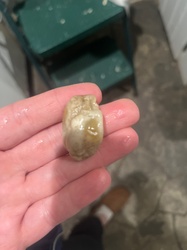
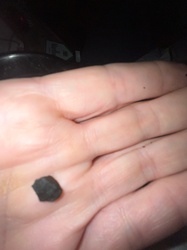
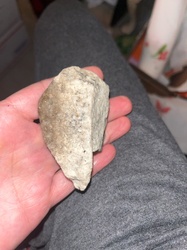
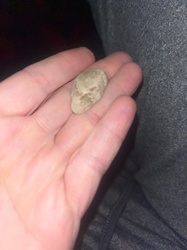
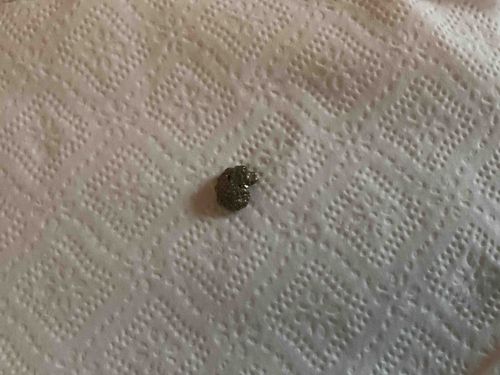
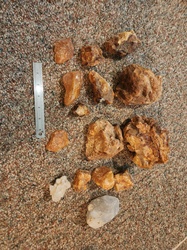
This item is a small, naturally occurring mineral specimen commonly known as Pyrite or Iron Sulfide. Physically, it presents as a compact, irregular nodule with a distinct metallic luster and a brassy, pale-yellow golden hue. The surface exhibits a characteristic granular or botryoidal texture composed of many small, interlocking crystal faces that catch the light, creating a sparkling effect. Despite its golden appearance, it is significantly harder and more brittle than actual gold. In terms of condition, the piece appears to be a raw field find without professional polishing; there are minor areas of darker oxidation or tarnish visible in the recesses between crystal formations. No specific maker's marks are present as this is a geological sample. Its age is geologic, likely millions of years old, formed through hydrothermal or sedimentary processes. The item is characterized by its high density and isometric crystal system, making it a classic display piece for mineral collectors. Quality is average for a raw specimen, showing good color saturation but a somewhat irregular, fragmented shape without large, distinct cubic formations often seen in premium museum-grade samples.
Estimated Value

$15.00 - $25.00

Basic Information

Category

Minerals and Natural History

Appraised On

February 27, 2026

Estimated Value

$15.00 - $25.00

Additional Details Provided By Owner

User Provided Information

A small lump of a mineral that I don’t know

Item Description

This item is a small, naturally occurring mineral specimen commonly known as Pyrite or Iron Sulfide. Physically, it presents as a compact, irregular nodule with a distinct metallic luster and a brassy, pale-yellow golden hue. The surface exhibits a characteristic granular or botryoidal texture composed of many small, interlocking crystal faces that catch the light, creating a sparkling effect. Despite its golden appearance, it is significantly harder and more brittle than actual gold. In terms of condition, the piece appears to be a raw field find without professional polishing; there are minor areas of darker oxidation or tarnish visible in the recesses between crystal formations. No specific maker's marks are present as this is a geological sample. Its age is geologic, likely millions of years old, formed through hydrothermal or sedimentary processes. The item is characterized by its high density and isometric crystal system, making it a classic display piece for mineral collectors. Quality is average for a raw specimen, showing good color saturation but a somewhat irregular, fragmented shape without large, distinct cubic formations often seen in premium museum-grade samples.
Get Your Items Appraised

Instant estimates of your treasures with AI-powered instant appraisals

Browse More Appraisals