AI Appraisal Estimate

AI-generated estimates · not official valuations

From the user

What was submitted

Photo and notes provided by the user — not generated by AI

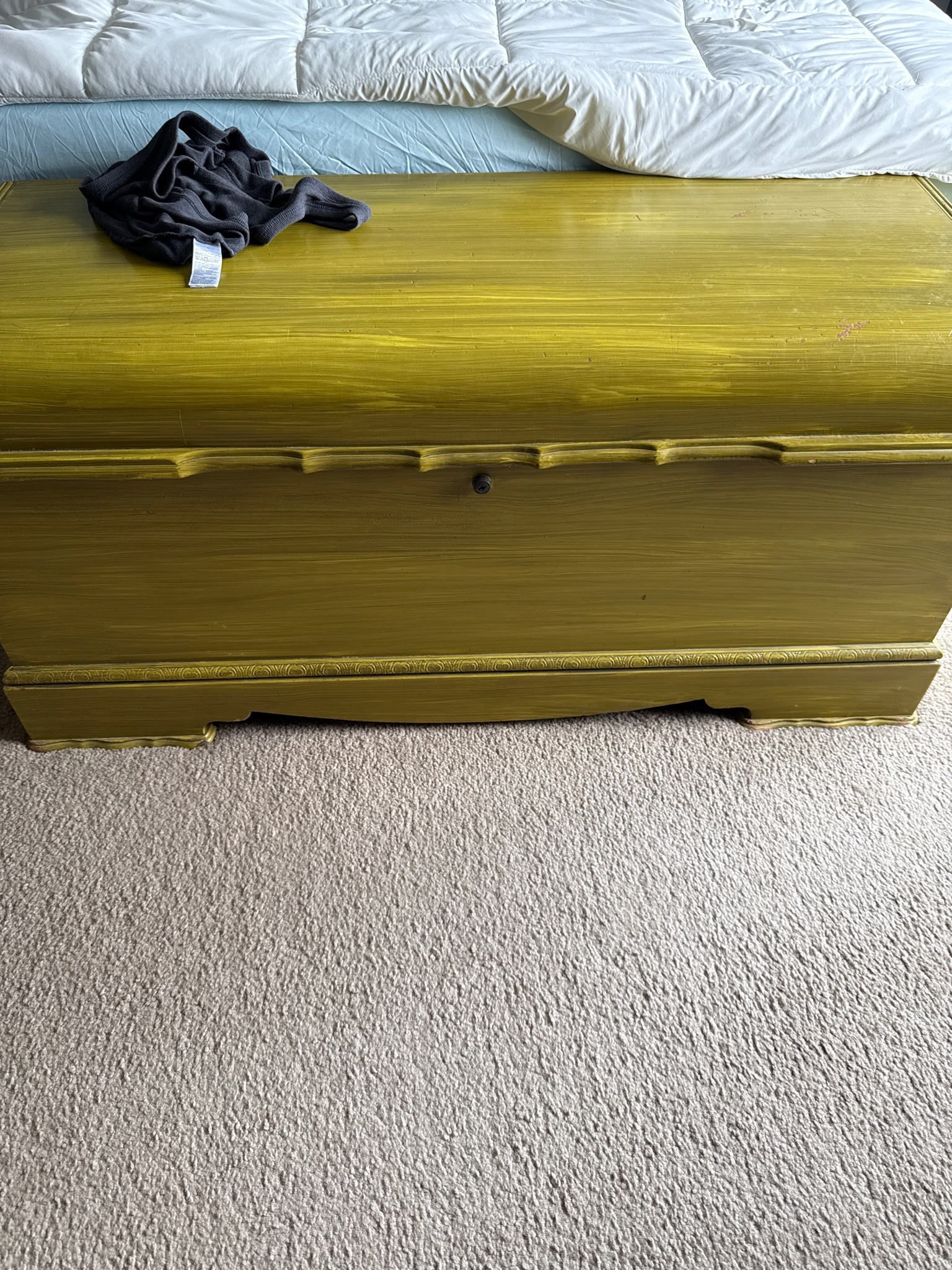
Submitted item photo
Submitted photo · June 6, 2026

User's notes

No additional notes provided.

AI analysis below

AI appraisal

AI analysis & estimate

AI-Generated · Verify before acting

Everything below is generated by AI for informational purposes only. AI can make mistakes — the AI may misidentify items or misattribute them (artist, maker, brand, designer, origin, era). This is not an official valuation and should not be used for insurance, sale, tax, estate, legal, or lending purposes — or any decision requiring a certified appraisal. It is not an authoritative claim about any person, brand, or rights holder — do not share or rely on it as a factual statement about a third party. Always consult qualified professionals before making financial decisions.

Read the full disclaimer

AI Identification

·Not independently authenticated·Verify before acting

Mid-20th-century style cedar hope chest with olive green finish

Furniture

AI Estimated Value

·Not an official valuation·Verify before acting

$150 - $350

As of June 6, 2026

AI Item Analysis

·AI can make mistakes·Verify before acting
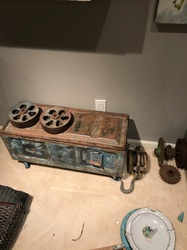
This item appears to be a large storage chest, stylistically consistent with mid-20th-century 'hope chests' or cedar-lined trunks. It features a rectangular box construction with a slightly rounded or waterfall-style lid edge. The exterior is finished in an olive or mustard green color with visible horizontal brushwork, which may indicate a later painted application or an antiqued finish. The base of the lid is accented with a scalloped or wave-patterned molding, while the bottom of the main carcass is trimmed with a beaded decorative band. It rests on a plinth base with bracket-style feet and a curved apron. A small, dark keyhole or lock mechanism is visible on the front face, though no key is pictured. Condition-wise, the piece shows surface wear including small chips, scuffs, and some discoloration to the finish particularly on the lid and feet. No maker's marks or labels such as Lane or Cavalier are visible in the image, so this attribution remains a stylistic hypothesis. The design is characteristic of mass-produced American furniture from the mid-1940s to 1960s, typically used for storing linens or heirlooms.
AI Appraisal Report

·AI can make mistakes·Verify before acting
I have examined the image provided of the mid-20th-century style cedar hope chest with an olive green finish. Based on what I can see, the piece displays design characteristics typical of American home furnishings from the 1940s through the 1960s, specifically the waterfall-style lid and decorative molding. The estimate provided reflects a hypothetical attribution to a known manufacturer of the period, such as Lane or Cavalier, though no markings are visible to support this. I cannot determine the exact type of wood or the internal condition from a photo; a physical inspection is necessary to confirm the integrity of the cedar lining and the presence of any manufacturer stamps. The value is significantly influenced by the current finish; the horizontal brushwork suggests a later paint application or an antiqued treatment which may lower the value for collectors seeking the standard wood-grain look. While the piece shows character-defining surface wear like scuffs and chips, these flaws are common for utilitarian furniture of this age. In the current market, decorative storage pieces of this aesthetic are popular for 'shabby chic' or eclectic interior design rather than as high-end antiques. To confirm a specific attribution, I would need to find a serial number or maker's mark, often found on the underside or back. If this item were discovered to be a later reproduction or a generic unbranded piece, the value would likely decrease to the $75 - $125 range. Conversely, documented provenance or a verified maker's stamp could push it toward the higher end of my estimate. This valuation assumes the lock is functional and the structure is sound, which I cannot verify without tactile examination. Final valuation depends entirely on professional authentication and buyer interest in the altered finish.

Get your items appraised

Instant estimates of your treasures with AI-powered appraisals

Browse More Appraisals