AI Appraisal Estimate

AI-generated estimates · not official valuations

From the user

What was submitted

Photo and notes provided by the user — not generated by AI

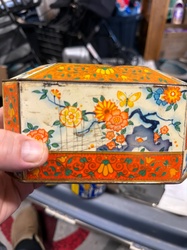
Submitted item photo
Submitted photo · May 21, 2026

User's notes

No additional notes provided.

AI analysis below

AI appraisal

AI analysis & estimate

AI-Generated · Verify before acting

Everything below is generated by AI for informational purposes only. AI can make mistakes — the AI may misidentify items or misattribute them (artist, maker, brand, designer, origin, era). This is not an official valuation and should not be used for insurance, sale, tax, estate, legal, or lending purposes — or any decision requiring a certified appraisal. It is not an authoritative claim about any person, brand, or rights holder — do not share or rely on it as a factual statement about a third party. Always consult qualified professionals before making financial decisions.

Read the full disclaimer

AI Identification

·Not independently authenticated·Verify before acting

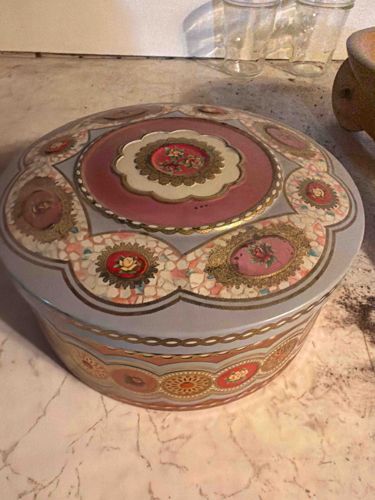
Vintage Circular Lithographed Biscuit Tin with Floral Medallions

Antique and Vintage Advertising Tins

AI Estimated Value

·Not an official valuation·Verify before acting

$45.00 - $65.00

As of May 21, 2026

AI Item Analysis

·AI can make mistakes·Verify before acting
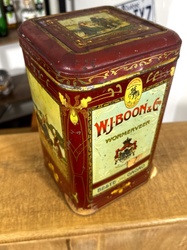
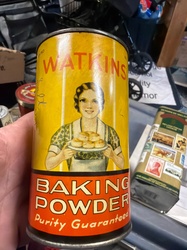
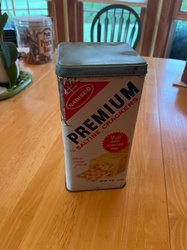
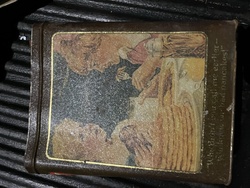
A sophisticated circular storage tin, likely manufactured for biscuits or premium confectionery. The piece is constructed from tin-plated steel featuring high-quality lithographed graphics. The color palette is dominated by a dusty lavender-grey base, accented with deep rose pink and ornate gold-tone scrollwork. The central lid design features a large rose-colored circle with a scalloped cream border, containing a miniature floral bouquet at the direct center surrounded by a serrated gold ring. Around this central motif are four larger oval medallions containing pink roses and four smaller circular medallions with yellow flowers, all connected by an intricate mosaic-style background pattern. The sides of the tin continue the motif with a repeating pattern of circular frames and scalloped borders. Based on the ornate, neo-classical revival style and the quality of the lithography, this item likely dates back to the mid-20th century, approximately 1940-1960. Condition appears vintage with noticeable surface wear; there are small dark spots on the lid indicating localized oxidation where the finish has thinned, and minor scuffing along the edges of the lid. No major dents or structural deformities are visible in the image. This piece exhibits characteristic craftsmanship of European tin-ware from manufacturers like Huntley & Palmers or Carr & Co.
AI Appraisal Report

·AI can make mistakes·Verify before acting
I have conducted a visual examination of the vintage circular lithographed biscuit tin. Based on the ornate neo-classical motifs, the palette of dusty lavender and rose pink, and the specific stippling in the lithography, I identify this as a mid-20th-century piece (c. 1940–1960), likely of British origin consistent with firms like Huntley & Palmers. The condition is fair-to-good; while the structural integrity remains sound, the 'foxing' or oxidation spots on the lid and edge scuffing indicate a loss of the protective lacquer, which slightly diminishes the aesthetic appeal for top-tier collectors. The market for mid-century advertising tins remains stable, though value is heavily dictated by brand recognition and graphic clarity. Recent auction results for similar floral patterns by Carr & Co range from $35 to $80 depending on the level of interior oxidation. This specific design, while elegant, lacks a high-demand crossover theme such as royalty or specific transport motifs, placing it in a mid-range decorative category. Critically, this appraisal is based solely on digital imagery. To finalize authentication, I would require an in-person inspection to examine the manufacturer’s mark (often embossed on the base) and to check for interior rust or odors that affect value. I would also need to verify the seam construction to confirm it is not a later reproduction. Scientific testing of the pigment for lead content could further substantiate the precise decade of manufacture, though the current visual markers are consistent with the 1950s era.

Get your items appraised

Instant estimates of your treasures with AI-powered appraisals

Browse More Appraisals