AI Appraisal Estimate

AI-generated estimates · not official valuations

From the user

What was submitted

Photo and notes provided by the user — not generated by AI

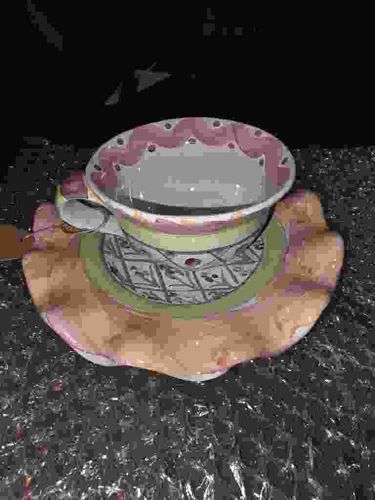
Submitted item photo
Submitted photo · June 6, 2026

User's notes

mackenzie childs bearded iris cup and saucer

AI analysis below

AI appraisal

AI analysis & estimate

AI-Generated · Verify before acting

Everything below is generated by AI for informational purposes only. AI can make mistakes — the AI may misidentify items or misattribute them (artist, maker, brand, designer, origin, era). This is not an official valuation and should not be used for insurance, sale, tax, estate, legal, or lending purposes — or any decision requiring a certified appraisal. It is not an authoritative claim about any person, brand, or rights holder — do not share or rely on it as a factual statement about a third party. Always consult qualified professionals before making financial decisions.

Note

This analysis also relies on unverified notes provided by the user, which may be incomplete or inaccurate and could affect the result.

Read the full disclaimer

AI Identification

·Not independently authenticated·Verify before acting

MacKenzie-Childs Bearded Iris Cup and Saucer Set

Antique and Vintage Ceramics/Tableware

AI Estimated Value

·Not an official valuation·Verify before acting

$175.00 - $250.00

As of June 6, 2026

AI Item Analysis

·AI can make mistakes·Verify before acting
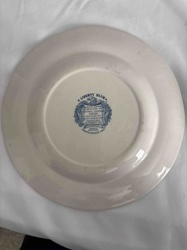
This is a vintage hand-painted ceramic cup and saucer set by MacKenzie-Childs, specifically from the whimsical 'Bearded Iris' pattern. The piece features the brand's signature eclectic and artisanal aesthetic, characterized by a ruffled, scalloped-edge saucer and a wide-mouthed teacup. The color palette is a vibrant mix of dusty pinks, garden greens, and creamy yellows, accented with hand-painted patterns including checkers, dots, and a central diamond lattice motif on the saucer. The construction is heavy terracotta or stoneware with a thick, glossy glaze finish. The handle of the cup is uniquely contoured, typical of the brand's early handmade works from the Aurora, New York studio. Visible in the image is a scalloped pink border with purple dots lining the inner rim of the cup, while the saucer displays a heavily textured, organic form with wavy edges. The condition appears fair to good; there are no immediate signs of large chips or cracks visible, although the surface displays the characteristic 'crazing' or glaze irregularities often found in older MacKenzie-Childs ceramics. The craftsmanship highlights a high level of manual detail, where each stripe and dot is applied by hand, ensuring that no two pieces are exactly alike. This set likely dates to the late 1980s or 1990s, a period highly sought after by collectors of the brand's original handmade pottery.
AI Appraisal Report

·AI can make mistakes·Verify before acting
Based on my examination of the provided imagery and descriptions, this cup and saucer set is a classic example of the 'Bearded Iris' pattern from MacKenzie-Childs' highly collectible 'Victoria & Richard' era. The piece reflects the characteristic Aurora, New York studio craftsmanship of the early 1990s, including the signature scalloped edges, terracotta body, and hand-applied diamond lattice and dot motifs. The vibrant polychrome palette remains crisp, which is a positive indicator for value. The current market for vintage MacKenzie-Childs remains robust, particularly for early hand-painted pieces that pre-date the company's 2001 restructuring. Recent auction results and secondary market sales for unique floral sets in this pattern typically fall within the $150 to $300 range depending on the complexity of the piece and its condition. While the presence of glaze crazing is mentioned, this is often expected in early stoneware and does not severely detract from value unless accompanied by structural 'tight' cracks or staining. However, the 'fair to good' condition noted prevents this set from reaching the top-tier 'mint' valuation. Limitations: This appraisal is based solely on digital images and verbal description. A full authentication requires a physical inspection to verify the hallmark stamp on the base (often an impressed or painted 'Aurora' mark), identify the artisan's initials, and check the 'ring' of the ceramic to ensure there are no hidden internal fissures. Provenance documentation, such as original purchase receipts or gallery records, would further solidify its market standing.

Get your items appraised

Instant estimates of your treasures with AI-powered appraisals

Browse More Appraisals