AI Appraisal Estimate

AI-generated estimates · not official valuations

From the user

What was submitted

Photo and notes provided by the user — not generated by AI

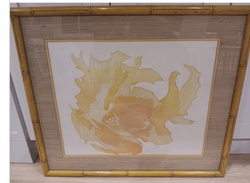
Submitted item photo
Submitted photo · June 27, 2026

User's notes

No additional notes provided.

AI analysis below

AI appraisal

AI analysis & estimate

AI-Generated · Verify before acting

Everything below is generated by AI for informational purposes only. AI can make mistakes — the AI may misidentify items or misattribute them (artist, maker, brand, designer, origin, era). This is not an official valuation and should not be used for insurance, sale, tax, estate, legal, or lending purposes — or any decision requiring a certified appraisal. It is not an authoritative claim about any person, brand, or rights holder — do not share or rely on it as a factual statement about a third party. Always consult qualified professionals before making financial decisions.

Read the full disclaimer

AI Identification

·Not independently authenticated·Verify before acting

Maritime Seascape Oil Painting in Gilt Frame

Fine Art - Paintings

AI Estimated Value

·Not an official valuation·Verify before acting

$1,200 - $1,800

As of June 27, 2026

AI Item Analysis

·AI can make mistakes·Verify before acting
This is an original representational oil painting on canvas or panel, depicting a maritime scene with sailing vessels under a heavy, clouded sky. The composition showcases multiple ships navigated through choppy, white-capped waves, rendered in a palette dominated by muted grey, ochre, and dark earth tones. The brushwork appears painterly, suggesting an 19th-century influence, possibly in the Dutch or British maritime tradition. The artwork is housed within a substantial, multi-tiered decorative frame. The frame features a dark outer molding and a brighter inner fillet that appears to have a red or pinkish clay ground showing through a weathered gilt finish. The condition shows significant signs of age; there is visible surface grime on the painting's varnish layer and notable wear on the frame, including abrasions and losses to the gilding particularly along the top and corners. The craftsmanship of the frame indicates a traditional manufacturing style with gesso and gold leaf over wood. No clear signature is visible in this low-resolution image, but the stylistic execution suggests a professional hand from the late 19th or early 20th century. The overall aesthetic speaks to a historical appreciation of naval power and the drama of the sea.


AI Appraisal Report

·AI can make mistakes·Verify before acting
I have virtually examined this maritime seascape oil painting. The work demonstrates a skilled proficiency in the 19th-century Dutch or British tradition, characterized by atmospheric depth and a sophisticated handling of the ‘churning’ sea. Based on the visual evidence, the artist demonstrates professional training, particularly in the structural rendering of the sailing vessels. The frame is a period-appropriate multi-tiered gesso and wood construction; the visible red bole (clay ground) peeking through the gilding suggests an authentic age-related wear rather than modern distressing. The condition is a primary factor in this valuation. The heavy surface grime and oxidized varnish have significantly muted the original highlights, though they also suggest the painting has not been over-cleaned or 'skinned' in the past. Market demand for 19th-century maritime scenes remains steady among interior designers and traditional collectors, though values have softened from their peak in the early 2000s unless a major artist is identified. Critically, this appraisal is based on photographic evidence. I cannot confirm the presence of a signature obscured by grime or hidden beneath the frame's rabbet. In-person examination under Ultraviolet (UV) light is required to identify patches of retouching or later additions. Furthermore, a physical inspection of the canvas reverse or panel would reveal crucial labels, stamps, or oxidation patterns essential for dating the substrate. Without a confirmed signature or provenance documentation linking it to a known master (such as a follower of Clarkson Stanfield or Hendrik Mesdag), the value reflects an 'attributed to period' decorative fine art status. Scientific testing of the pigment binders would be necessary to definitively rule out 20th-century revivals.

Get your items appraised

Instant estimates of your treasures with AI-powered appraisals

Browse More Appraisals