Lower Paleolithic Chert Multi-Tool (Hand Axe/Cleaver/Scraper)
Archaeological Artifacts - Prehistoric Lithic Tools

Lower Paleolithic Chert Multi-Tool (Hand Axe/Cleaver/Scraper)

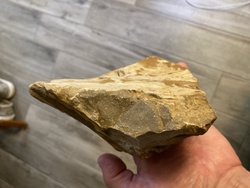
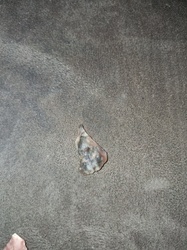
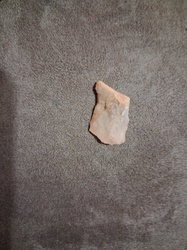
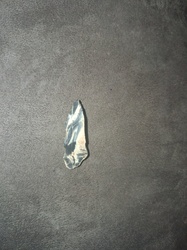
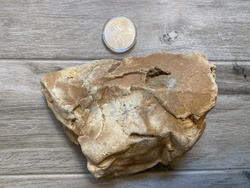
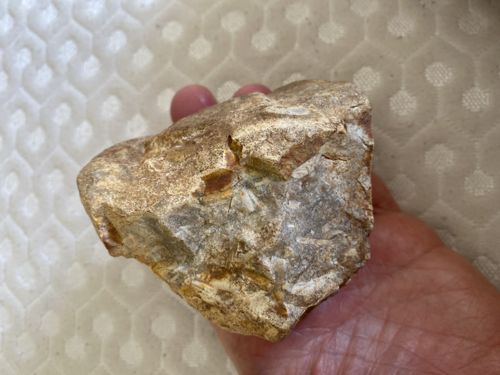
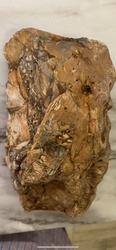
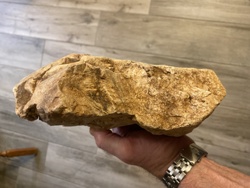
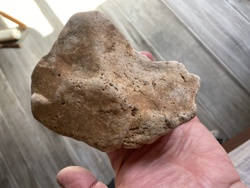
This artifact is a lithic multi-tool fashioned from chert, measuring approximately 3 inches by 3 inches. The specimen exhibits characteristic percussion flaking indicative of Lower Paleolithic stone tool manufacturing techniques. The material displays a variegated coloration ranging from earthy ochre and tan to pale grey, with areas of white mineral patina and micro-fractures consistent with substantial age and environmental exposure. Its morphology is sub-triangular, featuring a robust base for hand-held grip and a distal end that has been worked to create a functional cutting or scraping edge. The surface displays significant cortex removal and bifacial reduction, although it retains a somewhat crude, utilitarian aesthetic typical of early hominid craftsmanship. Notable features include several step fractures and invasive flake scars across the dorsal surface. The condition shows heavy weathering, which has rounded the once-sharp flake margins, a sign of long-term deposition in a soil or fluvial environment. Finding such a specimen in Guthrie, Oklahoma, suggests a possible association with ancient river terraces where suitable lithic raw materials were abundant for early inhabitants. The craftsmanship reflects a survival-oriented design, prioritizing durability and versatility for tasks such as butchering or woodworking over refined symmetry.
Estimated Value

$150 - $350

Basic Information

Category

Archaeological Artifacts - Prehistoric Lithic Tools

Appraised On

February 23, 2026

Estimated Value

$150 - $350

Additional Details Provided By Owner

User Provided Information

Lower Paleolithic chert hand axe, cleaver, scraper tool found in Guthrie, OK measuring 3"x 3"

Item Description

This artifact is a lithic multi-tool fashioned from chert, measuring approximately 3 inches by 3 inches. The specimen exhibits characteristic percussion flaking indicative of Lower Paleolithic stone tool manufacturing techniques. The material displays a variegated coloration ranging from earthy ochre and tan to pale grey, with areas of white mineral patina and micro-fractures consistent with substantial age and environmental exposure. Its morphology is sub-triangular, featuring a robust base for hand-held grip and a distal end that has been worked to create a functional cutting or scraping edge. The surface displays significant cortex removal and bifacial reduction, although it retains a somewhat crude, utilitarian aesthetic typical of early hominid craftsmanship. Notable features include several step fractures and invasive flake scars across the dorsal surface. The condition shows heavy weathering, which has rounded the once-sharp flake margins, a sign of long-term deposition in a soil or fluvial environment. Finding such a specimen in Guthrie, Oklahoma, suggests a possible association with ancient river terraces where suitable lithic raw materials were abundant for early inhabitants. The craftsmanship reflects a survival-oriented design, prioritizing durability and versatility for tasks such as butchering or woodworking over refined symmetry.
Get Your Items Appraised

Instant estimates of your treasures with AI-powered instant appraisals

Browse More Appraisals