AI Appraisal Estimate

AI-generated estimates · not official valuations

From the user

What was submitted

Photo and notes provided by the user — not generated by AI

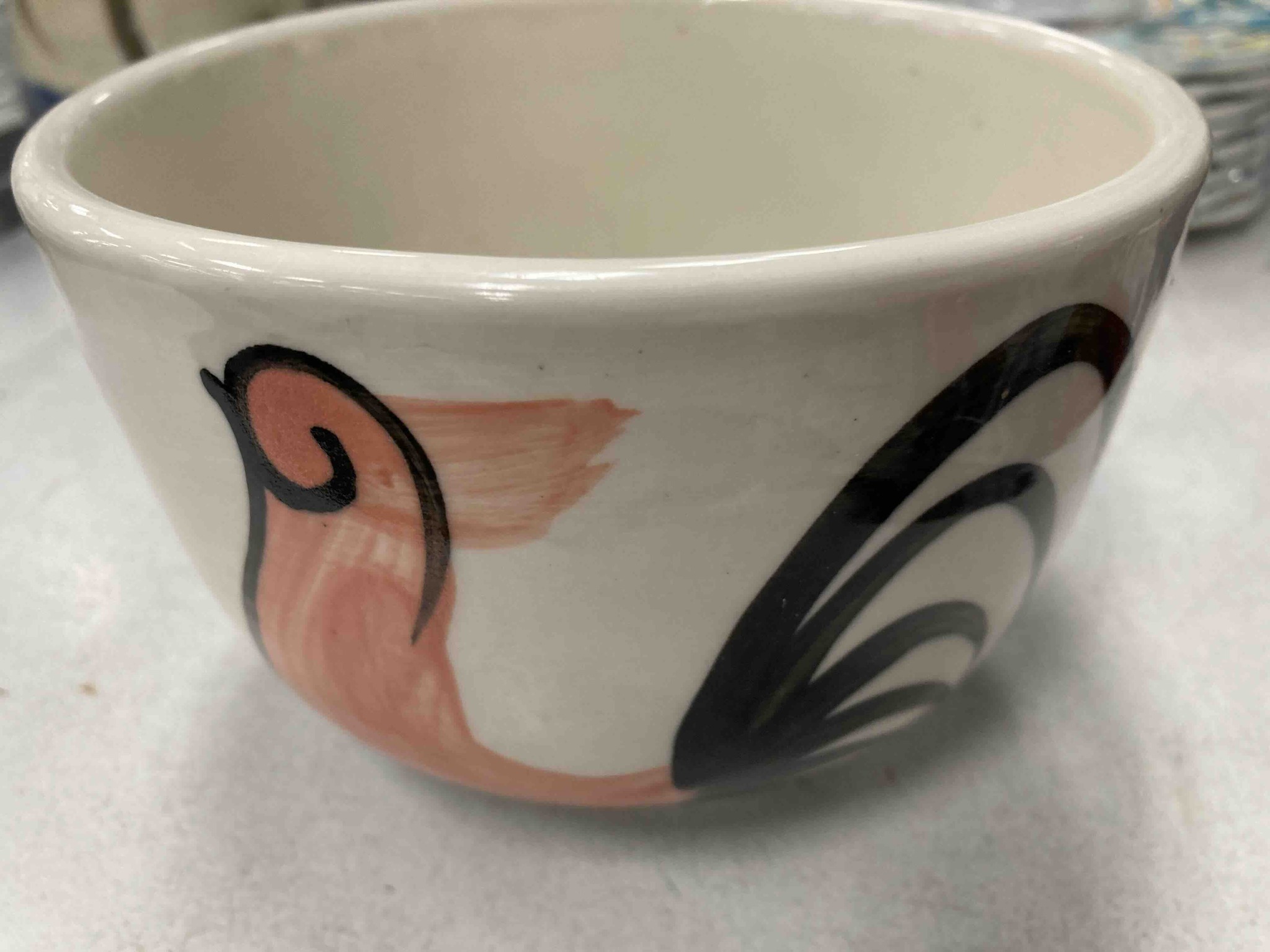
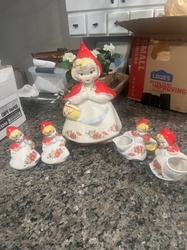
Submitted item photo
Submitted photo · May 27, 2026

User's notes

No additional notes provided.

AI analysis below

AI appraisal

AI analysis & estimate

AI-Generated · Verify before acting

Everything below is generated by AI for informational purposes only. AI can make mistakes — the AI may misidentify items or misattribute them (artist, maker, brand, designer, origin, era). This is not an official valuation and should not be used for insurance, sale, tax, estate, legal, or lending purposes — or any decision requiring a certified appraisal. It is not an authoritative claim about any person, brand, or rights holder — do not share or rely on it as a factual statement about a third party. Always consult qualified professionals before making financial decisions.

Read the full disclaimer

AI Identification

·Not independently authenticated·Verify before acting

Traditional Thai Rooster Ceramic Bowl

Kitchenware / Folk Art Ceramics

AI Estimated Value

·Not an official valuation·Verify before acting

$45 - $85

As of May 27, 2026

AI Item Analysis

·AI can make mistakes·Verify before acting
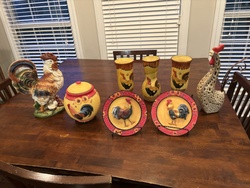
This is a hand-painted ceramic bowl featuring the iconic 'Rooster' (Kai) motif, traditionally associated with Lampang province in Thailand. The vessel is constructed from thick-walled stoneware or earthenware with a smooth, off-white to cream-toned glaze. Its primary decorative element is a stylized rooster, executed in bold, expressive brushstrokes of black and reddish-pink or salmon hues. The tail feathers are rendered in thick black ink-style swirls, while the body and comb show visible brush texture in the warmer pigment. Structurally, the bowl has a deep, rounded profile with a slightly flared rim. In terms of condition, the glaze appears glossy and well-preserved, though minor kiln defects such as small pinholes and slight peppering (iron spots) are visible, which are common in traditional high-fire pottery. There is no immediate evidence of cracks, chips, or significant crazing in the visible portion. This style of 'Rooster Bowl' became popular in the early to mid-20th century, specifically the 1950s-1960s, though it remains in production today. The craftsmanship is utilitarian yet artistic, showcasing a folk-art aesthetic that emphasizes speed and flow in the painting process.
AI Appraisal Report

·AI can make mistakes·Verify before acting
Based on my visual examination of the provided documentation, this is a classic Lampang-style 'Rooster Bowl' (Cham Kai). The piece displays hallmark characteristics of traditional Thai stoneware, including a cream-colored porcelainous glaze and the distinct hand-painted rooster motif executed in gestural, calligraphic brushstrokes. The condition appears 'Excellent' for utilitarian folk art; the presence of small iron spots (peppering) and pinholes are typical kiln artifacts of the high-fire process and do not detract from the value, but rather confirm its traditional manufacture. The market for Rooster Bowls is bifurcated: early 20th-century originals from the mainland Chinese diaspora command high prices, while mid-to-late 20th-century Lampang productions are valued as accessible folk art. This specimen appears to be a mid-century or modern high-quality reproduction of the classic style. While visually charming, these items were mass-produced for the regional hospitality trade and household use, which limits their rarity. Final valuation is based on current auction results for vintage Thai kitchenware and folk-art collectibles. Please note: This appraisal is based on photographic evidence only. To provide a definitive authentication, I would need to physically inspect the foot-rim for specific wear patterns and examine any maker's marks or stamps on the underside. Scientific testing, such as thermoluminescence, is not economically viable for this class of object. The value assumes the piece is free of hairline fractures not visible in the image. Provenance documenting the specific decade of acquisition from the Lampang kilns would be required to reach the higher end of the estimated range.

Get your items appraised

Instant estimates of your treasures with AI-powered appraisals

Browse More Appraisals