AI Appraisal Estimate

AI-generated estimates · not official valuations

From the user

What was submitted

Photo and notes provided by the user — not generated by AI

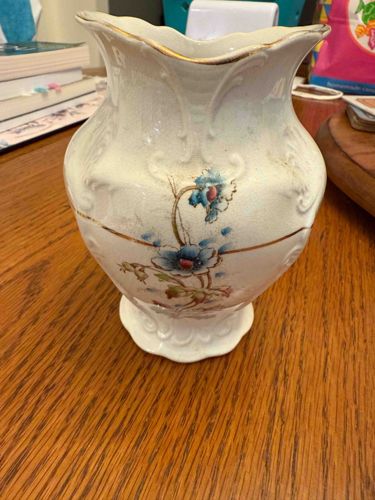
Submitted item photo
Submitted photo · June 6, 2026

User's notes

No additional notes provided.

AI analysis below

AI appraisal

AI analysis & estimate

AI-Generated · Verify before acting

Everything below is generated by AI for informational purposes only. AI can make mistakes — the AI may misidentify items or misattribute them (artist, maker, brand, designer, origin, era). This is not an official valuation and should not be used for insurance, sale, tax, estate, legal, or lending purposes — or any decision requiring a certified appraisal. It is not an authoritative claim about any person, brand, or rights holder — do not share or rely on it as a factual statement about a third party. Always consult qualified professionals before making financial decisions.

Read the full disclaimer

AI Identification

·Not independently authenticated·Verify before acting

Decorative Ceramic Floral Vase

Decorative Arts

AI Estimated Value

·Not an official valuation·Verify before acting

$100-300

As of June 6, 2026

AI Item Analysis

·AI can make mistakes·Verify before acting
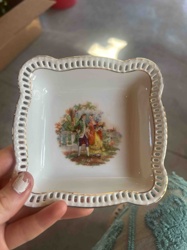
This item is a decorative ceramic vase or jug, appearing to be made of porcelain or fine earthenware, characterized by its cream to off-white glazed finish. The vessel features a distinctly bulbous body that tapers gracefully towards a scalloped, flared footed base, and expands upwards to a wide, undulating rim. The rim is adorned with hand-painted gilt (gold) accents, which also encircle the body in various bands, adding a touch of elegance. The surface is embellished with intricate relief molding, showcasing ornate scrollwork and stylized botanical elements that provide texture and depth to the design. The primary decorative motif consists of hand-painted floral designs, predominantly featuring blue and reddish-orange blossoms with green foliage, positioned centrally on the main body of the vase. The painting style suggests a delicate, somewhat informal approach. Visible condition issues include noticeable wear to the gilt on the rim and along the encircling bands, indicating age and handling. There might also be some minor surface discoloration or light staining consistent with an older piece. The item's craftsmanship, with its combination of molded relief, hand-painting, and gilding, suggests a style popular in the late 19th or early 20th century, possibly influenced by Victorian or Art Nouveau aesthetics. While no distinct maker's marks are visible in the provided image, it possesses the characteristics of a decorative item produced during that era. Its quality is consistent with decorative household ceramics of its time.
AI Appraisal Report

·AI can make mistakes·Verify before acting
Upon examining the image of your decorative ceramic floral vase, I assess its condition as good for its apparent age, consistent with general household use. The visible wear to the gilt on the rim and encircling bands is a common characteristic of pieces from the late 19th to early 20th century. Minor surface discoloration or staining also appears consistent with age. The intricate relief molding and hand-painted floral designs remain largely intact and aesthetically pleasing. Authenticity appears to align with the described period (late 19th/early 20th century), likely influenced by Victorian or early Art Nouveau styles. The craftsmanship, combining molded relief, hand-painting, and gilding, is typical of decorative ceramic ware produced during this era. The market for decorative arts from this period is stable, driven by interior design trends and a general appreciation for antique aesthetics. Comparables include similar un-marked, mass-produced decorative ceramic vases. Demand is modest, primarily from collectors of decorative household items rather than high-end art connoisseurs. Rarity is low; such items were produced in considerable quantities without specific maker attribution. Key factors impacting value include its aesthetic appeal, intricate decoration, and historical period. However, the most significant factor limiting its value is the lack of a discernible maker's mark and the visible gilt wear. Without a prominent artist or factory attribution, it remains a decorative period piece. This appraisal is based solely on visual examination of the provided image. A limitation of this assessment is the inability to verify the precise material (porcelain versus earthenware) or detect hidden damages, repairs, or restorations. For full authentication and a definitive condition report, a physical inspection is crucial. This would allow for examination under magnification, UV light to detect repairs, and a thorough assessment of its true condition. Provenance documentation, if available, could also significantly enhance its value by establishing its history.

Get your items appraised

Instant estimates of your treasures with AI-powered appraisals

Browse More Appraisals