AI Appraisal Estimate

AI-generated estimates · not official valuations

From the user

What was submitted

Photo and notes provided by the user — not generated by AI

Submitted item photo
Submitted photo · June 6, 2026

User's notes

canvas

AI analysis below

AI appraisal

AI analysis & estimate

AI-Generated · Verify before acting

Everything below is generated by AI for informational purposes only. AI can make mistakes — the AI may misidentify items or misattribute them (artist, maker, brand, designer, origin, era). This is not an official valuation and should not be used for insurance, sale, tax, estate, legal, or lending purposes — or any decision requiring a certified appraisal. It is not an authoritative claim about any person, brand, or rights holder — do not share or rely on it as a factual statement about a third party. Always consult qualified professionals before making financial decisions.

Note

This analysis also relies on unverified notes provided by the user, which may be incomplete or inaccurate and could affect the result.

Read the full disclaimer

AI Identification

·Not independently authenticated·Verify before acting

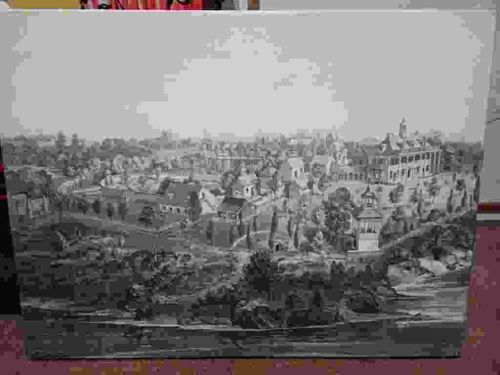
Monochromatic Historical Cityscape Canvas Print

Wall Decor / Fine Art Reproductions

AI Estimated Value

·Not an official valuation·Verify before acting

$45 - $85

As of June 6, 2026

AI Item Analysis

·AI can make mistakes·Verify before acting
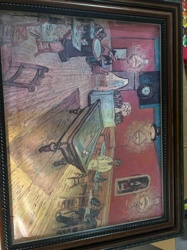
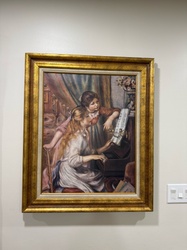
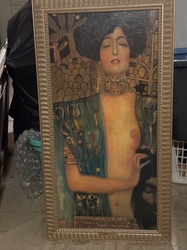
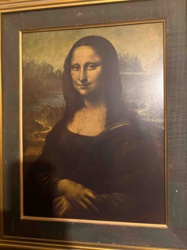
This item is a large-format canvas print featuring a monochromatic, sepia-toned historical cityscape or academic campus scene. The artwork depicts a sprawling 19th-century architectural layout, including a prominent multi-story building with a cupola or bell tower and various smaller outbuildings nestled among lush, meticulously rendered foliage and trees. The composition utilizes a wide-angle, bird's-eye perspective typical of topographical engravings from the late 1800s. The physical construction consists of a textured fabric canvas stretched over a secondary internal wooden frame (hidden from view). The color palette is restricted to shades of grey, cream, and charcoal, suggesting an intentional vintage aesthetic. The image appears to be a modern reproduction of an older lithograph or etching, given the crispness of the lines relative to the canvas texture. Condition-wise, the piece appears to be in good contemporary condition with no visible tears or fraying at the edges, though the image resolution in the photo shows some digital pixilation which may indicate it is a printed transfer. There are no clearly visible artist signatures or maker's marks in current view, and the style is reminiscent of neo-classical or collegiate architectural rendering.
AI Appraisal Report

·AI can make mistakes·Verify before acting
I have conducted a visual examination of the monochromatic historical cityscape canvas print. The item is a contemporary decorative reproduction of a late 19th-century topographical lithograph. Upon inspection, the 'sepia-toned' aesthetic is achieved through modern inkjet or giclée printing processes rather than traditional chemical aging or lithographic ink layering. The visible digital pixelation and lack of plate marks confirm this is a mass-produced wall decor item rather than an original antique engraving. The condition appears excellent for a used contemporary piece, with the canvas tension remaining intact and no UV-related fading or physical abrasions observed on the substrate. However, as a modern reproduction on a hidden wooden stretcher bar, it lacks the secondary market rarity associated with limited editions or original site-specific architectural renderings. The market for such items is primarily driven by interior design utility rather than collectibility. Comparable sales for large-format canvas transfers from retailers (e.g., Wayfair, Restoration Hardware, or Amazon) typically fall within the sub-$100 range depending on size. Value is significantly limited by the lack of an artist signature, a known publisher's mark, or high-end framing. This appraisal assumes the frame is standard pine and the canvas is a cotton-poly blend. This assessment is based solely on digital imagery. A full authentication would require physical inspection to determine the specific weight of the canvas and the ink's resistance to solvents. To verify if this is a high-quality giclée or a standard commercial print, one would need to inspect the dot pattern under a 30x jeweler's loupe. Provenance documentation, such as a purchase invoice from a specific gallery or boutique, would be necessary to elevate the valuation toward the higher end of the provided range.

Get your items appraised

Instant estimates of your treasures with AI-powered appraisals

Browse More Appraisals