AI Appraisal Estimate

AI-generated estimates · not official valuations

From the user

What was submitted

Photo and notes provided by the user — not generated by AI

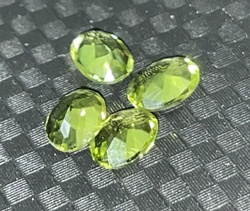
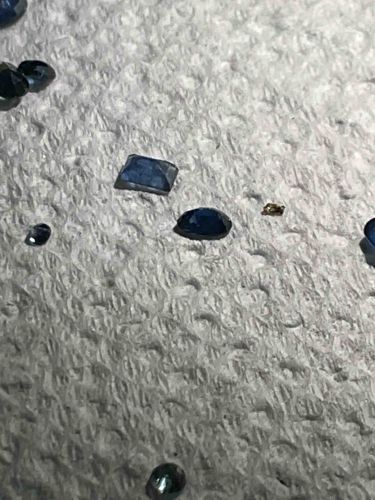
Submitted item photo
Submitted photo · May 25, 2026

User's notes

Blue sapphires

AI analysis below

AI appraisal

AI analysis & estimate

AI-Generated · Verify before acting

Everything below is generated by AI for informational purposes only. AI can make mistakes — the AI may misidentify items or misattribute them (artist, maker, brand, designer, origin, era). This is not an official valuation and should not be used for insurance, sale, tax, estate, legal, or lending purposes — or any decision requiring a certified appraisal. It is not an authoritative claim about any person, brand, or rights holder — do not share or rely on it as a factual statement about a third party. Always consult qualified professionals before making financial decisions.

Note

This analysis also relies on unverified notes provided by the user, which may be incomplete or inaccurate and could affect the result.

Read the full disclaimer

AI Identification

·Not independently authenticated·Verify before acting

Parcel of Loose Blue Sapphires

Gemstones

AI Estimated Value

·Not an official valuation·Verify before acting

$650 - $900

As of May 25, 2026

AI Item Analysis

·AI can make mistakes·Verify before acting
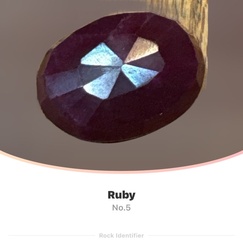
This parcel consists of multiple loose, faceted blue gemstones, identified as sapphires based on visual characteristics and provided context. The stones exhibit a variety of gemstone cuts including a prominent rectangular step-cut (emerald cut or baguette), an oval brilliant cut, and several smaller round or oval accents. Physically, the gemstones display a deep, saturated navy to royal blue tone, which appears somewhat opaque and 'inky' in the provided lighting, a characteristic common in sapphires from certain regions like Australia or Thailand. The surfaces show evidence of wear, particularly visible along the facet junctions and girdle edges of the central rectangular stone, which exhibit minor abrasions and 'nicking,' suggesting they may have been previously set or stored loosely together. The craftsmanship of the facets appears well-proportioned for commercial jewelry use. There are no visible maker's marks or laser inscriptions discernible at this magnification. Based on the cut styles and color profile, these stones are likely modern productions used in contemporary jewelry suite making. The overall quality appears to be commercial grade given the dark saturation and surface abrasions, though lab testing would be required to confirm natural versus synthetic origin and the presence of heat treatment.
AI Appraisal Report

·AI can make mistakes·Verify before acting
I have conducted a visual examination of this parcel of loose blue sapphires. The collection features a variety of cuts, primarily a central rectangular step-cut alongside oval and round brilliant accents. The stones exhibit a characteristic deeply saturated, 'inky' navy blue hue. Upon close inspection of the facet junctions, I observed noticeable abrasions and minor chipping, particularly on the larger rectangular stone. This wear indicates the stones were likely previously set or stored in a manner that allowed for surface friction, classifying the condition as 'commercial-grade with visible wear.' Marketplace demand for sapphires remains consistently high; however, the value of this specific parcel is tempered by the dark saturation, which limits light return and brilliance. The color profile is consistent with material typically sourced from Australia, Thailand, or Nigeria. Comparables for smaller, commercial-grade sapphires with surface abrasions range between $150 and $250 per carat for the primary stones. A significant limitation of this remote appraisal is the inability to determine the presence of heat treatment or potential diffusion, which are common in the industry and significantly affect market value. Furthermore, visual analysis cannot definitively rule out synthetic origin. For a full authentication and valuation, a physical inspection by a GIA-certified gemologist is required, alongside laboratory testing to confirm the natural origin and define the treatment status of the stones. Provenance documentation regarding the source or previous jewelry setting would also assist in refining this estimate.

Get your items appraised

Instant estimates of your treasures with AI-powered appraisals

Browse More Appraisals