AI Appraisal Estimate

AI-generated estimates · not official valuations

From the user

What was submitted

Photo and notes provided by the user — not generated by AI

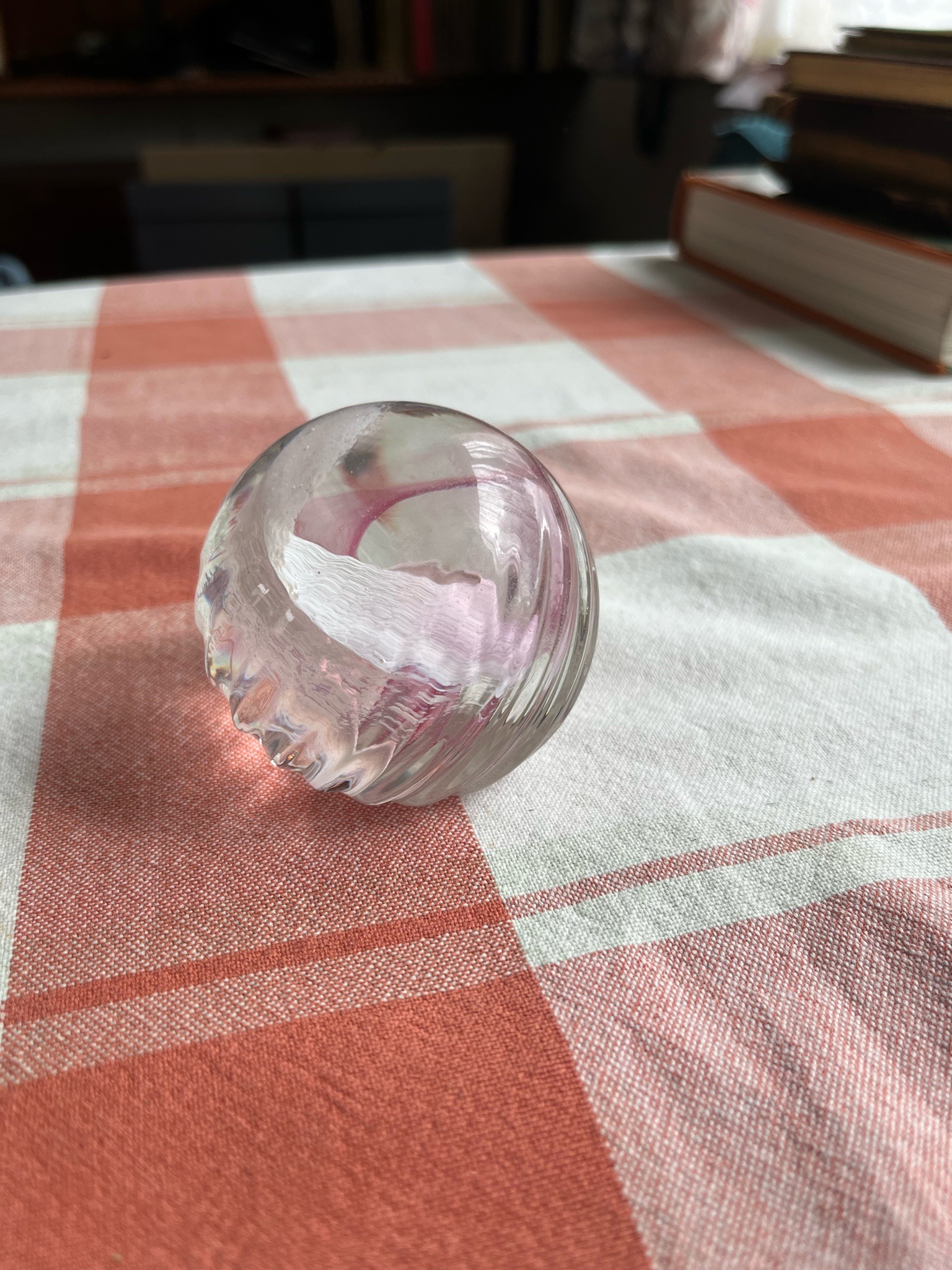
Submitted item photo
Submitted photo · June 1, 2026

User's notes

glass paperweight

AI analysis below

AI appraisal

AI analysis & estimate

AI-Generated · Verify before acting

Everything below is generated by AI for informational purposes only. AI can make mistakes — the AI may misidentify items or misattribute them (artist, maker, brand, designer, origin, era). This is not an official valuation and should not be used for insurance, sale, tax, estate, legal, or lending purposes — or any decision requiring a certified appraisal. It is not an authoritative claim about any person, brand, or rights holder — do not share or rely on it as a factual statement about a third party. Always consult qualified professionals before making financial decisions.

Note

This analysis also relies on unverified notes provided by the user, which may be incomplete or inaccurate and could affect the result.

Read the full disclaimer

AI Identification

·Not independently authenticated·Verify before acting

Swirl-Pattern Clear and Pink Glass Paperweight

Art Glass / Collectibles

AI Estimated Value

·Not an official valuation·Verify before acting

$45.00 - $65.00

As of June 1, 2026

AI Item Analysis

·AI can make mistakes·Verify before acting
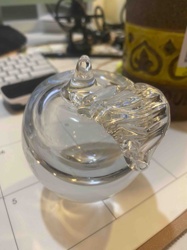
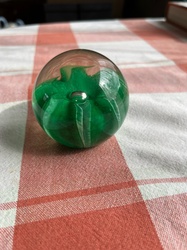
This is a spherical art glass paperweight, measuring approximately 3 to 4 inches in diameter. The piece is constructed from heavy, solid clear glass, featuring an internal decorative swirl of translucent pink and opaque white glass filaments. The design exhibits a controlled vertical ribbing or scalloped texture on the lower third of the sphere, which adds dimensionality and tactile interest. The craftsmanship suggests a hand-blown or mold-produced method typical of mid-20th-century decorative glassware. There are no immediately visible maker's marks, signatures, or pontil scars in the current view, which is common for mass-produced or early studio art glass items. The clarity of the glass appears good, though there are subtle reflections indicating a smooth, polished upper surface. In terms of condition, the item shows minor surface wear consistent with age and use as a functional desk accessory, such as light scuffing or tiny scratches that do not detract from the overall aesthetic. The style is reminiscent ofMurano or Scandinavian glass traditions from the 1960s or 1970s, characterized by organic internal movements and a balance between clear and colored glass. The weight and density of the material serve as indicators of quality, providing the functional heft required for a paperweight of this size.
AI Appraisal Report

·AI can make mistakes·Verify before acting
I have conducted a visual examination of the Swirl-Pattern Clear and Pink Glass Paperweight. The item presents as a classic example of mid-to-late 20th-century decorative art glass, likely produced in the 1960s or 1970s. The internal 'latticinio' or ribbon-style swirl displays a high level of control, and the scalloped ribbing on the lower third indicates a secondary molding process that adds significant tactile value. The glass clarity is excellent, with minimal evidence of 'sick' or cloudy glass. In terms of condition, the piece shows expected shelf wear on the base. The absence of a signature or pontil mark suggests this may be a high-quality factory piece (such as those from Scandinavian houses like Iittala or Italian Murano mass-market lines) rather than a bespoke studio piece. Market demand for unsigned vintage paperweights remains steady but saturated, with similar pieces regularly transacting in the $40 to $70 range at auction and in antique malls. Factors impacting value include the lack of a maker's mark and the relatively common pink-and-white color palette. A higher valuation would require a verified signature from a known glass artist like Lino Tagliapietra or St. Louis. Limitations of this appraisal include the inability to inspect for microscopic chips or to verify the exact density through physical handling. A definitive authentication would require an in-person inspection of the wear patterns on the base and a search for acid-etched signatures under UV light. Provenance documentation, such as original retail receipts or exhibition history, would be necessary to elevate the item to a 'collector's grade' category.

Get your items appraised

Instant estimates of your treasures with AI-powered appraisals

Browse More Appraisals