AI Appraisal Estimate

AI-generated estimates · not official valuations

From the user

What was submitted

Photo and notes provided by the user — not generated by AI

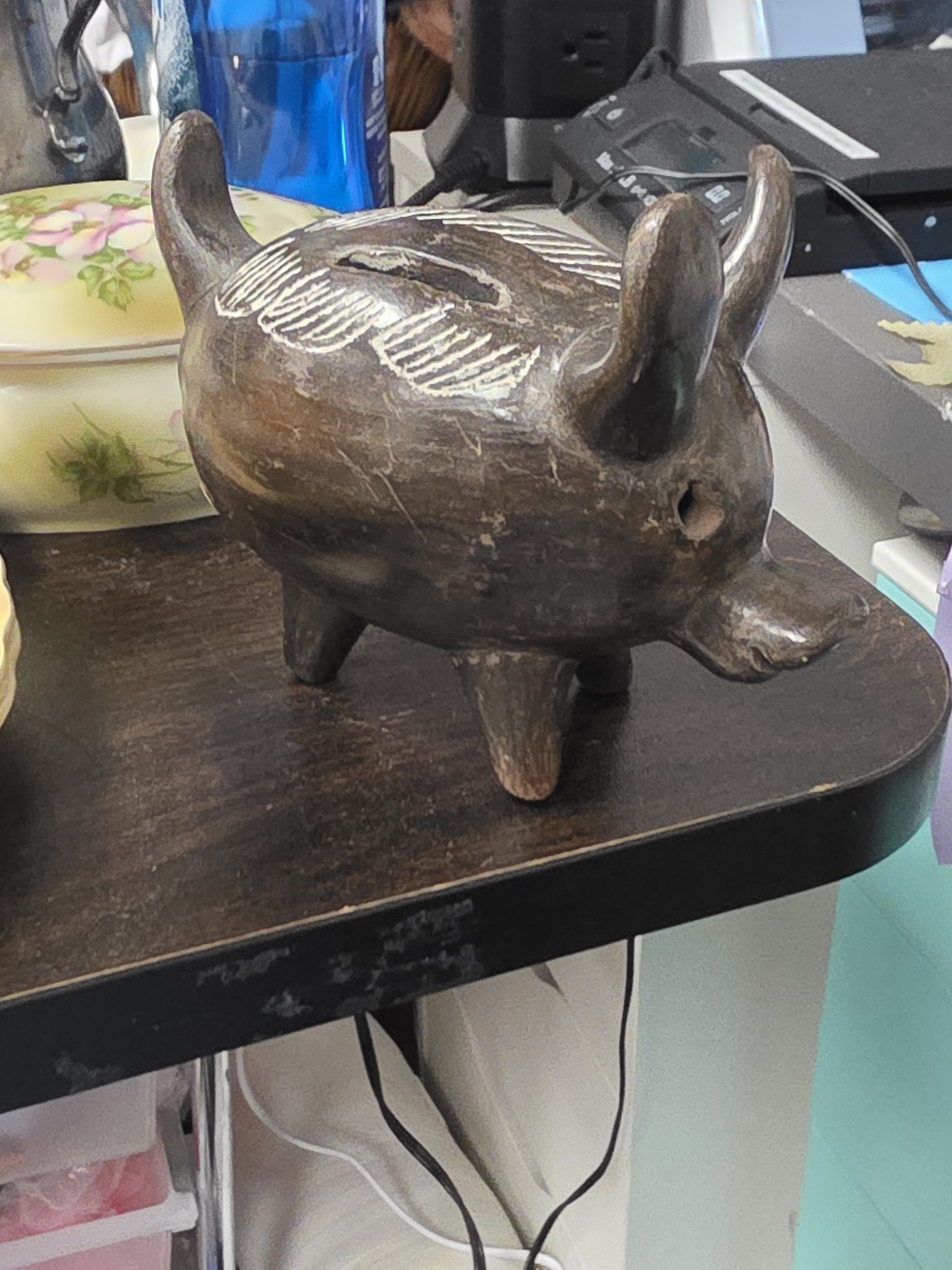
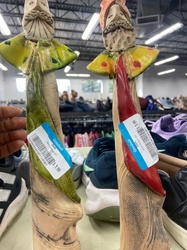
Submitted item photo
Submitted photo · July 8, 2026

User's notes

gold foil sticker made in Chile

AI analysis below

AI appraisal

AI analysis & estimate

AI-Generated · Verify before acting

Everything below is generated by AI for informational purposes only. AI can make mistakes — the AI may misidentify items or misattribute them (artist, maker, brand, designer, origin, era). This is not an official valuation and should not be used for insurance, sale, tax, estate, legal, or lending purposes — or any decision requiring a certified appraisal. It is not an authoritative claim about any person, brand, or rights holder — do not share or rely on it as a factual statement about a third party. Always consult qualified professionals before making financial decisions.

Note

This analysis also relies on unverified notes provided by the user, which may be incomplete or inaccurate and could affect the result.

Read the full disclaimer

AI Identification

·Not independently authenticated·Verify before acting

Pomaire-style three-legged clay piggy bank

Folk Art Ceramics

AI Estimated Value

·Not an official valuation·Verify before acting

$25-$45

As of July 8, 2026

AI Item Analysis

·AI can make mistakes·Verify before acting
This object is a small ceramic vessel shaped like a pig, featuring three tapered legs and a coin slot along the upper back. The item appears to be made from a dark, reddish-brown earthenware clay with a slightly burnished or polished finish that shows a soft sheen. It is decorated with incised linear patterns around the coin slot that have been filled with a white pigment or slip, often referred to as 'sgraffito' work. Stylistically, the piece is consistent with 'chanchitos' from Pomaire, Chile, which are traditionally made as good-luck charms. The user notes the presence of a gold foil sticker stating 'made in Chile', which supports this regional attribution, though the sticker itself is not clearly legible in the provided view and such markings remain unverified as to their original application. The figure features a snout, two small holes for nostrils or eyes, and stylized ears or horns. Condition issues include visible surface scratches, small chips or wear to the base of the legs, and some fading of the white pigment. Based on its folk-art construction and typical production cycles, it likely dates to the mid-to-late 20th century.
AI Appraisal Report

·AI can make mistakes·Verify before acting
Based on my visual analysis of the provided image, this object appears to be a three-legged ceramic 'chanchito' consistent with folk art traditions from Pomaire, Chile. The owner identifies this as potentially having a gold foil sticker indicating Chilean origin; if this attribution is accurate, the item represents a mid-to-late 20th-century piece of regional handicraft. The dark, burnished earthenware and white-pigment linear incisions are characteristic of this style, though I cannot verify from a photo if these materials are traditional or modern commercial substitutes. The value is influenced by the item's status as a popular souvenir and cultural charm. Market demand for these pieces remains steady among folk art collectors, though they are generally produced in high volumes, which limits individual scarcity. The estimate of $25-$45 assumes the Chilean origin is accurate; should the piece be found to be a modern mass-market replica from another region, the value would likely fall below $15. Visible surface scratches, fading of the white slip, and wear on the feet slightly diminish the value. To further clarify this estimate, a physical examination would be necessary to inspect the clay body composition and the specifics of the 'made in Chile' sticker, as markings can be applied posthumously or misidentified. A definitive valuation would require corroborating provenance or a tactile inspection of the burnishing technique to differentiate it from spray-on glazes. Without such evidence, this remains a characteristic example of the Pomaire style.

Get your items appraised

Instant estimates of your treasures with AI-powered appraisals

Browse More Appraisals