AI Appraisal Estimate

AI-generated estimates · not official valuations

From the user

What was submitted

Photo and notes provided by the user — not generated by AI

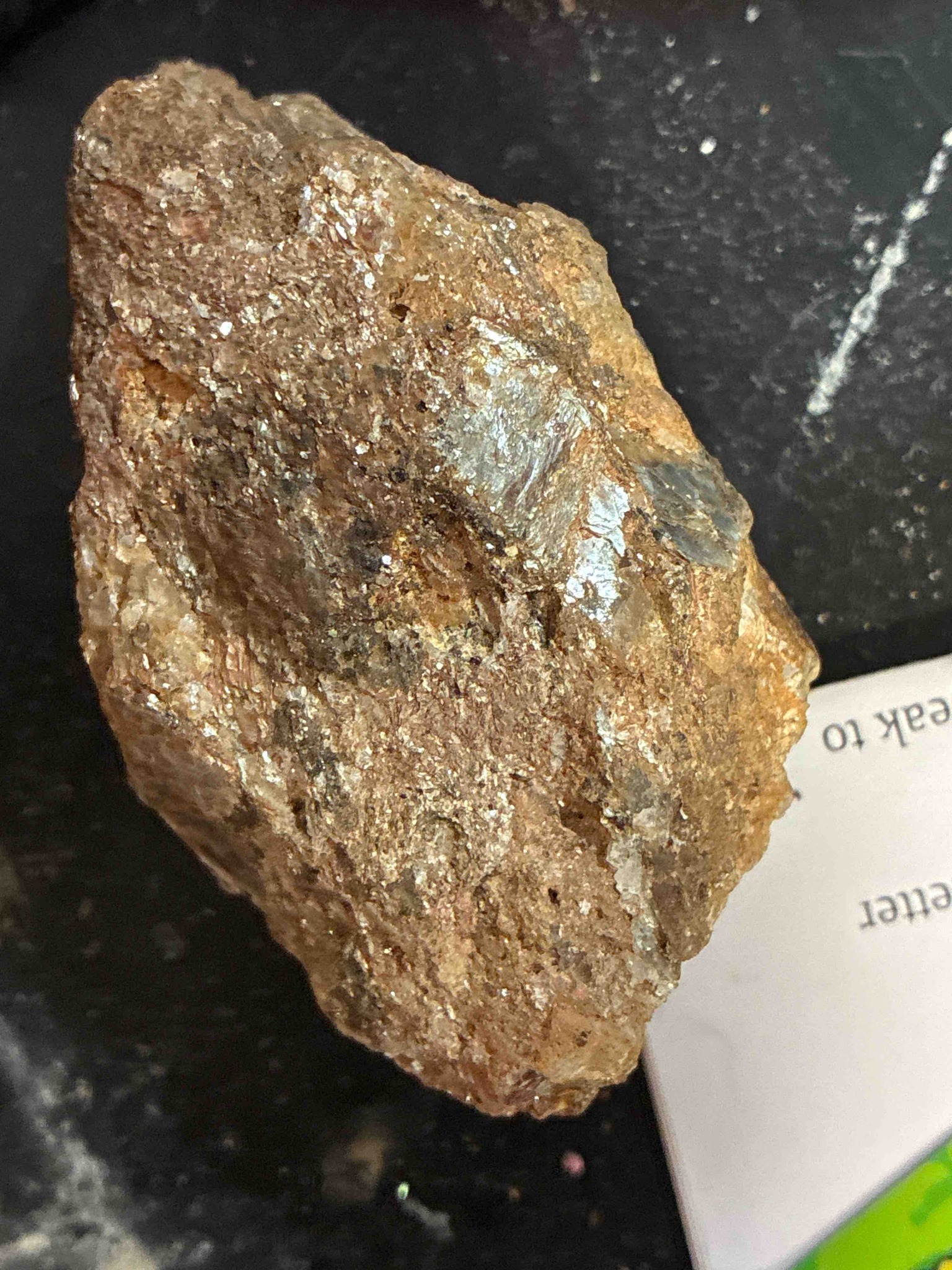
Submitted item photo
Submitted photo · May 27, 2026

User's notes

No additional notes provided.

AI analysis below

AI appraisal

AI analysis & estimate

AI-Generated · Verify before acting

Everything below is generated by AI for informational purposes only. AI can make mistakes — the AI may misidentify items or misattribute them (artist, maker, brand, designer, origin, era). This is not an official valuation and should not be used for insurance, sale, tax, estate, legal, or lending purposes — or any decision requiring a certified appraisal. It is not an authoritative claim about any person, brand, or rights holder — do not share or rely on it as a factual statement about a third party. Always consult qualified professionals before making financial decisions.

Read the full disclaimer

AI Identification

·Not independently authenticated·Verify before acting

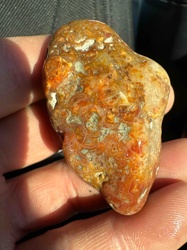
Lepidolite and Muscovite Mica Mineral Specimen

Rocks, Fossils & Minerals

AI Estimated Value

·Not an official valuation·Verify before acting

$45.00 - $75.00

As of May 27, 2026

AI Item Analysis

·AI can make mistakes·Verify before acting
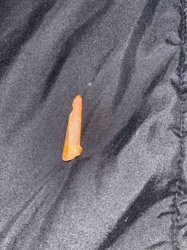
This is a raw, natural mineral specimen, likely a pegmatitic rock rich in mica minerals such as lepidolite or muscovite, potentially associated with quartz or feldspar. The specimen displays a rugged, irregular geological structure with a predominantly earthy bronze, tan, and brownish-gold color palette. Its most notable physical characteristic is the high concentration of phyllosilicate minerals, which create a glittering, pearly, or sub-metallic luster across the surface as light reflects off the thin, sheet-like cleavage planes. On the upper right quadrant, there is a distinct silvery-blue or lavender-toned crystalline face, a color often indicative of lithium-rich lepidolite. The texture is highly foliated and granular, with visible 'books' of mica integrated into a solid matrix. The condition is raw and unpolished, showing natural conchoidal and uneven fractures typical of mineral extraction. There are no artificial marks or manufacturing stamps, as this is a natural geological occurrence. Its formation is ancient, dating back millions of years within a high-heat igneous environment. The quality of the specimen is characterized by the size and clarity of its mica 'windows' and the subtle play of color between the darker matrix and the iridescent mineral surfaces.
AI Appraisal Report

·AI can make mistakes·Verify before acting
I have examined the provided image of the mineral specimen, which exhibits the characteristic morphology of a lepidolite and muscovite mica cluster on a silicate matrix. Based on the visual evidence, the specimen shows a pleasing 'book' structure of phyllosilicates with a subtle lavender-to-lilac hue indicative of lithium content. The condition is raw and natural, displaying typical extraction edges with no signs of synthetic enhancement or stabilization. The luster appears pearly to sub-metallic, which is consistent with high-quality untumbled mica specimens. In the current market for mineral decor and geological samples, specimens of this size and coloration are common but maintain steady demand due to their aesthetic 'glitter' and association with holistic and metaphysical markets. Comparable specimens of similar volume (approximately 3-5 inches) typically retail in the $40 to $80 range depending on the intensity of the purple coloration. The primary value drivers here are the density of the mica layers and the lack of significant iron staining on the reflective faces. However, visual appraisal alone has definitive limitations. I cannot verify the specific gravity, hardness on the Mohs scale, or chemical purity required to differentiate lepidolite from other lithium-bearing micas. To provide a definitive authentication, an in-person examination using refractive index testing or X-ray diffraction (XRD) would be necessary to confirm mineral composition. Furthermore, documentation regarding the specific mine of origin (provenance) would be required to elevate the value to a 'collector-grade' status. For insurance or resale purposes, the specimen is currently valued as a decorative lapidary sample.

Get your items appraised

Instant estimates of your treasures with AI-powered appraisals

Browse More Appraisals