AI identification & appraisal estimate

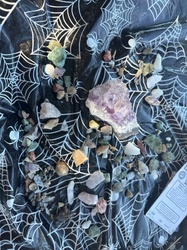
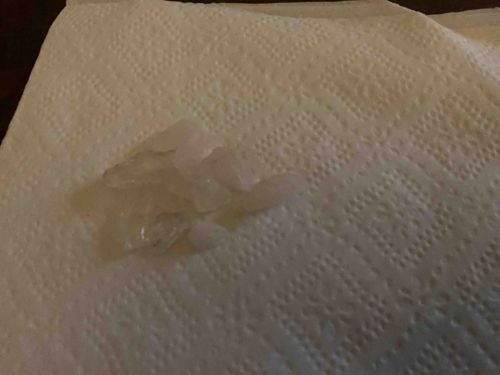
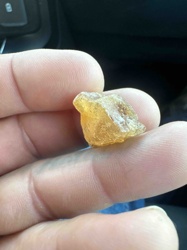
Small Collection of Rough Clear Quartz Shards

Submitted photo of Small Collection of Rough Clear Quartz Shards
Photo submitted by the user — not generated by AI

User's notes

A small collection of mostly clear quartz shards

These notes were written by the person who submitted this item. Appraiser.AI has not verified them, and the AI's identification and estimate may rely on them.

AI Estimated Value

Not an official valuation

$5.00 - $15.00

AI estimate as of February 27, 2026 · verify with a professional before acting

AI-Generated · Verify before acting

Everything on this page is generated by AI for informational purposes only. AI can make mistakes — the AI may misidentify items or misattribute them (artist, maker, brand, designer, origin, era). This is not an official valuation and should not be used for insurance, sale, tax, estate, legal, or lending purposes — or any decision requiring a certified appraisal. It is not an authoritative claim about any person, brand, or rights holder — do not share or rely on it as a factual statement about a third party. Always consult qualified professionals before making financial decisions.

This analysis also relies on unverified notes provided by the user, which may be incomplete or inaccurate and could affect the result.

Read the full disclaimer

AI Item Analysis

This lot consists of a small grouping of natural clear quartz shards and crystal fragments resting upon a common textured white paper towel for scale. The specimens are characterized by their varying degrees of transparency, ranging from water-clear to slightly translucent with milky inclusions. The fragments exhibit jagged, irregular shapes typical of raw mineral breakage, showing conchoidal fracture patterns on some surfaces which are characteristic of the silica mineral group. No formal termination points are clearly visible, suggesting these are broken fragments or debitage from a larger cluster. The color is predominantly colorless, though some pieces appear to have a very faint pinkish or smokey tint due to subtle impurities or lighting conditions. The size of the individual pieces appears small, likely under one inch in length. There are no signs of human-made facets, drilling, or polishing, indicating they are in a completely raw state. The condition is fundamentally 'as-found' in nature, with sharp edges and natural surface textures. Such specimens are commonly found in geological deposits globally and are frequently used in decorative rock collections or as material for wire-wrapping in artisan jewelry. There are no discernible maker's marks or signatures as the items are geological in origin rather than manufactured.
AI Appraisal Report

I have virtually examined this collection of rough clear quartz shards. The specimens appear to be authentic, unworked crystalline silica, exhibiting the characteristic conchoidal fractures and lack of cleavage expected of natural quartz. The clarity varies from 'water-clear' to milky/translucent, which is standard for raw geological debitage. These fragments lack the formal crystal terminations or significant size that would elevate them to high-end mineral specimen status. In the current market, these are considered 'bargain bin' or 'bulk' materials, commonly sold by weight rather than by individual piece. Comparable sales for small quantities of ungraded quartz shards typically range from $1 to $5 per ounce. Given the size and quantity visible, the market value is nominal. The primary demand for such items comes from hobbyist crafters for wire-wrapping or decorative terrarium use. There is no rarity factor here; quartz is one of the most abundant minerals on Earth, and these specific shards do not exhibit unique features like rare inclusions (rutilated or tourmalinated) or rare colors (fine amethyst or citrine). Limitations: This appraisal is based strictly on visual photographic evidence. From an image, I cannot perform a Mohs hardness test to distinguish these from glass or high-quality synthetic substitutes, nor can I check for specific refractive indices. Full authentication would require an in-person scratch test and polariscope examination to confirm natural origin. Given the low market value, formal laboratory testing would exceed the value of the items themselves. No documentation or provenance was provided to suggest a specific, high-value locality.

Keep exploring

More minerals and gemstones appraisals

Get your items appraised

Instant AI-powered appraisal estimates from a photo

Browse More Appraisals