AI Appraisal Estimate

AI-generated estimates · not official valuations

From the user

What was submitted

Photo and notes provided by the user — not generated by AI

Submitted item photo
Submitted photo · May 28, 2026

User's notes

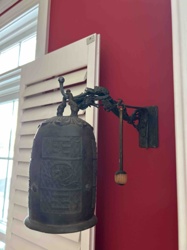
Brass pagoda temple bell

AI analysis below

AI appraisal

AI analysis & estimate

AI-Generated · Verify before acting

Everything below is generated by AI for informational purposes only. AI can make mistakes — the AI may misidentify items or misattribute them (artist, maker, brand, designer, origin, era). This is not an official valuation and should not be used for insurance, sale, tax, estate, legal, or lending purposes — or any decision requiring a certified appraisal. It is not an authoritative claim about any person, brand, or rights holder — do not share or rely on it as a factual statement about a third party. Always consult qualified professionals before making financial decisions.

Note

This analysis also relies on unverified notes provided by the user, which may be incomplete or inaccurate and could affect the result.

Read the full disclaimer

AI Identification

·Not independently authenticated·Verify before acting

Vintage Cast Brass Pagoda Temple Bell Stand

Asian Art & Collectibles / Decorative Metalwork

AI Estimated Value

·Not an official valuation·Verify before acting

$45.00 - $85.00

As of May 28, 2026

AI Item Analysis

·AI can make mistakes·Verify before acting
This is a decorative table-top temple bell ensemble, cast primarily in brass or bronze with a significant aged patina. The structure mimics a traditional multi-tiered Asian pagoda gate (Torii style influence) atop a robust brick-textured archway. The ensemble features an oval-shaped base decorated with embossed floral or scrolling acanthus leaf motifs, containing a central recessed well, possibly originally intended for a small incense burner or candle. Suspended from a small eye-hook in the center of the arch is a solid brass bell with a rounded dome and straight-sided profile. The casting reveals intentional texturing to simulate masonry on the pillars and ribbed architectural details on the eaves of the roof tiers. On the right side of the structure sits a swinging striker or 'mallet' attached by a hinge, used to ring the bell. The overall color is a deep, burnished bronze-green, indicating oxidation and wear typical for a mid-20th-century souvenir or decorative export piece, likely dating from the 1950s to 1970s. Surface condition shows some dust accumulation in the crevices and localized Verdigris, but the structural integrity appears sound without visible cracks in the casting. Small Foo Dog or guardian lion figures appear to be cast into the base of the pillars for added symbolic detail.
AI Appraisal Report

·AI can make mistakes·Verify before acting
I have examined the digital images and description of this vintage cast brass pagoda temple bell stand. My assessment identifies this as a mid-20th-century decorative export piece, likely produced in Japan or Hong Kong between 1950 and 1975 for the Western giftware market. The casting exhibits the typical heavy-walled construction of the era, with an intentional dark patination and verdigris accents used to simulate antiquity. The structural integrity remains sound, and the presence of the original hinged striker significantly aids its value, as these components are frequently lost. Market conditions for Asian-style brass 'curio' items remain stable but niche. This piece serves as a classic example of 'Orientalist' decorative art rather than a fine antique or religious artifact. Comparables typically sell in the $40 to $90 range at specialized estate auctions or vintage marketplaces. Factors elevating the value include the inclusion of the Foo Dog pillar details and the ornate base; factors limiting value include the mass-produced nature of the casting and the lack of a specific maker's mark or artist signature. Note that my assessment is based solely on visual analysis of images. Absolute verification of the alloy composition and exact manufacturing date would require an in-person physical inspection to check for modern machine tooling marks or sand-casting residue. A definitive appraisal would be strengthened by any historical provenance, such as original import labels or family records from the mid-century period.

Get your items appraised

Instant estimates of your treasures with AI-powered appraisals

Browse More Appraisals