AI identification & appraisal estimate

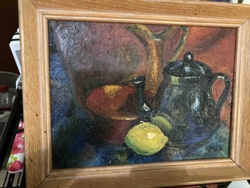
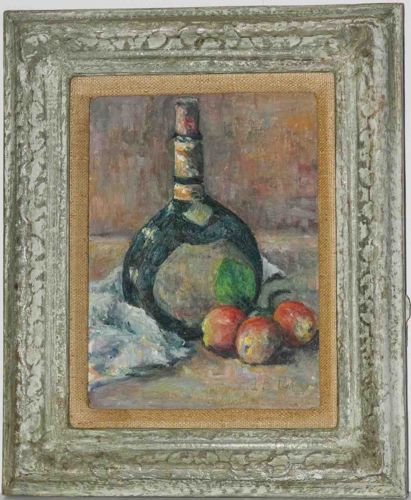
Untitled Impressionist Still Life with Bottle and Fruit

Submitted photo of Untitled Impressionist Still Life with Bottle and Fruit
Photo submitted by the user — not generated by AI

User's notes

Unknown Artist, Untitled original artwork

These notes were written by the person who submitted this item. Appraiser.AI has not verified them, and the AI's identification and estimate may rely on them.

AI Estimated Value

Not an official valuation

$150 - $250

AI estimate as of March 22, 2026 · verify with a professional before acting

AI-Generated · Verify before acting

Everything on this page is generated by AI for informational purposes only. AI can make mistakes — the AI may misidentify items or misattribute them (artist, maker, brand, designer, origin, era). This is not an official valuation and should not be used for insurance, sale, tax, estate, legal, or lending purposes — or any decision requiring a certified appraisal. It is not an authoritative claim about any person, brand, or rights holder — do not share or rely on it as a factual statement about a third party. Always consult qualified professionals before making financial decisions.

This analysis also relies on unverified notes provided by the user, which may be incomplete or inaccurate and could affect the result.

Read the full disclaimer

AI Item Analysis

This original oil painting on board depicts an intimate still life scene featuring a rounded, dark-toned bottle—possibly a wine or cider vessel—accompanied by three small fruits, likely apples or peaches, and a vibrant green leaf. The composition is set against an atmospheric, textured background with a crumpled white cloth or napkin to the left. The artist utilizes a heavy impasto technique with visible, energetic brushstrokes characteristic of the Impressionist or Post-Impressionist style, likely dating from the mid-20th century. The color palette is earthy and warm, dominated by ochres, muted reds, and deep forest greens, with highlights of white and yellow providing light and volume. The work is housed in a substantial, decorative period frame featuring a pale sage-green or celadon painted finish over gesso. The frame includes a linen-covered inner slip liner that shows some minor age-related discoloration. While the artist is unknown, the lower right corner appears to have faint, illegible initials. The overall condition shows signs of stable aging; the paint surface is intact with no obvious flaking, though the frame shows light-to-moderate wear, including small chips in the gesso consistent with its age. The craftsmanship displays a confident hand and a strong understanding of light and color theory.

AI Appraisal Report

Based on my visual examination of the provided images, this is a charming mid-20th-century oil on board still life executed in a competent Impressionist manner. The brushwork displays a confident impasto technique, particularly in the rendering of the fruit and the crumpled linen, suggesting a trained hand despite the anonymity of the artist. The palette of earthy ochres and deep greens is characteristic of 1940s-1960s decorative realism. The condition appears stable; the paint layer seems intact with no visible craquelure or flaking, although surface grime is likely present. The period frame, with its sage-green finish and linen liner, adds aesthetic value but shows expected wear, including minor gesso chips and discoloration on the liner. Regarding value, without an identifiable signature or provenance, the work must be appraised primarily on its decorative merit. The market for decorative mid-century still lifes is steady but modest. Comparable works by unknown European or American regional artists typically sell at auction or in antique venues within the $100 to $300 range. The heavy impasto and attractive period framing place this at the slightly higher end of that generic spectrum. Critically, since I cannot physically inspect the board's verso for labels or use UV light to check for inpainting, this appraisal assumes no major restoration exists. To justify a higher valuation or attribution, I would require a physical inspection to decipher the faint initials mentioned and review any provenance documentation. As it stands, it is a lovely decorative piece rather than an investment-grade asset.

Keep exploring

More fine art - still life painting appraisals

Get your items appraised

Instant AI-powered appraisal estimates from a photo

Browse More Appraisals