AI Appraisal Estimate

AI-generated estimates · not official valuations

From the user

What was submitted

Photo and notes provided by the user — not generated by AI

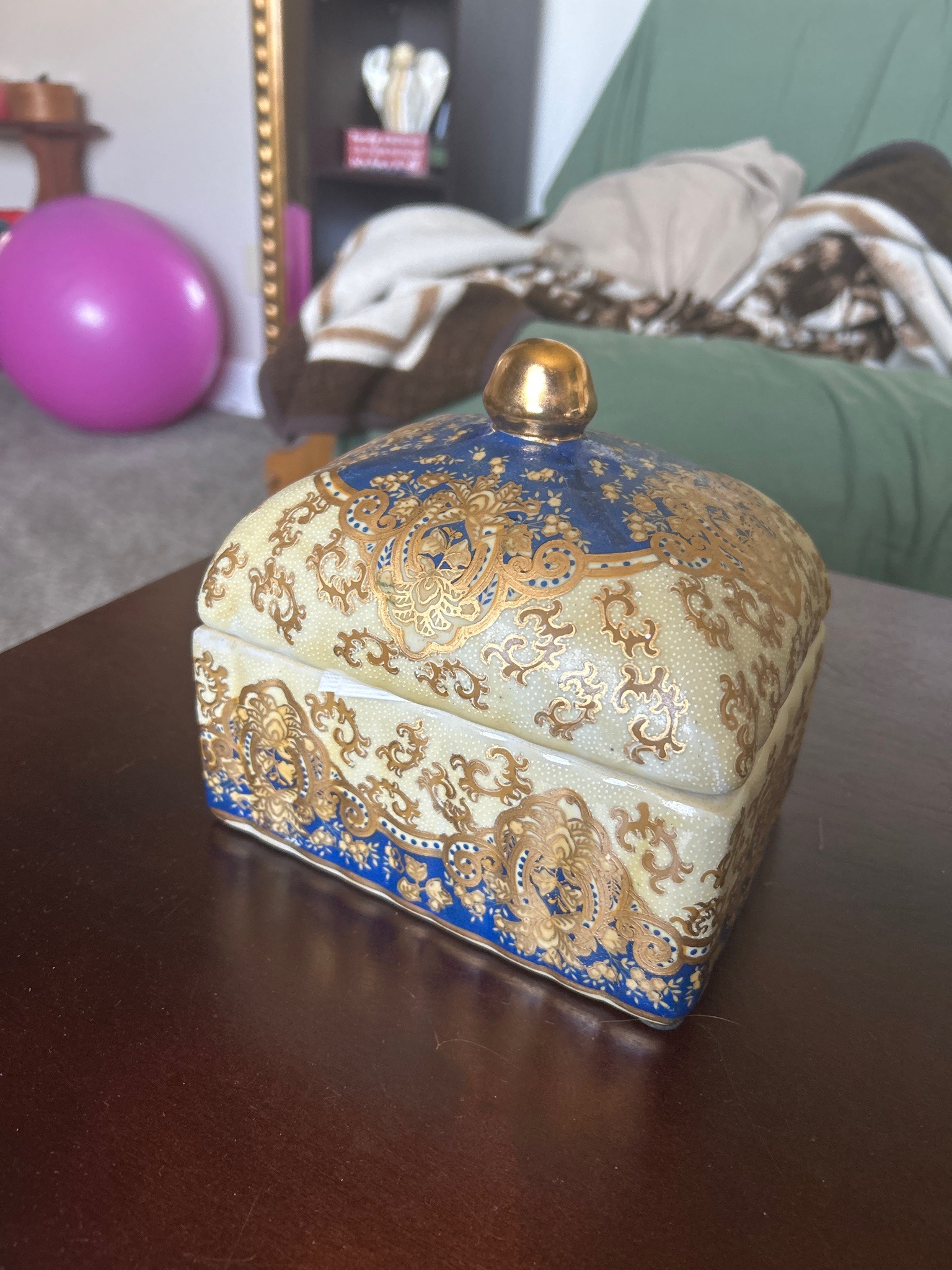
Submitted item photo
Submitted photo · June 1, 2026

User's notes

No additional notes provided.

AI analysis below

AI appraisal

AI analysis & estimate

AI-Generated · Verify before acting

Everything below is generated by AI for informational purposes only. AI can make mistakes — the AI may misidentify items or misattribute them (artist, maker, brand, designer, origin, era). This is not an official valuation and should not be used for insurance, sale, tax, estate, legal, or lending purposes — or any decision requiring a certified appraisal. It is not an authoritative claim about any person, brand, or rights holder — do not share or rely on it as a factual statement about a third party. Always consult qualified professionals before making financial decisions.

Read the full disclaimer

AI Identification

·Not independently authenticated·Verify before acting

Satsuma Style Rectangular Porcelain Trinket Box

Decorative Arts and Collectibles

AI Estimated Value

·Not an official valuation·Verify before acting

$150 - $250

As of June 1, 2026

AI Item Analysis

·AI can make mistakes·Verify before acting
This is a rectangular porcelain lidded trinket or jewelry box featuring intricate gilding and enamel work in a late 19th to early 20th-century Satsuma style, likely of Japanese or European 'Chinoiserie' origin. The box is constructed with a heavy ceramic body, predominantly cream-toned with a finely textured 'moriage' or raised dot pattern across the surface. It is heavily decorated with gold-toned rococo-style scrolls, fleur-de-lis motifs, and floral swags that frame cobalt blue panels. The lid is domed with a prominent gold-gilt onion-shaped finial. Notable features include the dense application of gold leaf and the vibrant contrast of the cobalt blue glaze. Regarding condition, there is visible light crazing throughout the glaze, which is characteristic of this type of earthenware. There appears to be some minor wear to the gilding on high-contact areas, specifically the finial and the edges where the lid meets the base. The interior show some slight discoloration, and a small white tissue or protective paper is seen protruding from the seated lid, suggesting a snug or slightly uneven fit. The craftsmanship displays a high level of detail in the hand-painted enamel elements and the textured relief work.
AI Appraisal Report

·AI can make mistakes·Verify before acting
I have virtually examined this Satsuma-style rectangular porcelain trinket box. The piece displays the characteristic cream-colored crackle glaze and dense 'moriage' (raised enamel) work consistent with late Meiji to early Taisho period production, though the heavy use of cobalt blue and rococo scrollwork suggests a design intended for the Western export market. The craftsmanship is high, featuring intricate gilding and hand-painted floral motifs. Condition-wise, the visible crazing is typical for Satsuma earthenware and does not detract from value. However, the wear on the finial gilding and the uneven seating of the lid noted via the protruding tissue suggest moderate use. Market demand for Satsuma export ware remains steady among European and American collectors, though prices have softened from the mid-20th-century highs. Comparables for smaller lidded vessels of this complexity typically hammer between $100 and $300 at auction depending on the presence of a maker’s mark (such as Shimazu crest or specific kiln signatures). Limitations: This appraisal is based solely on visual inspection of the provided description and image. A physical examination is required to check for hidden hairlines or professional restorations under UV light. Furthermore, I cannot verify the underside markings; a definitive 'Shimazu' family crest or a known artist's signature (e.g., Kinkozan) would significantly elevate the appraisal to the $500+ range. Provenance documentation regarding its acquisition history would further solidify authenticity. Scientific testing, while usually unnecessary for this value tier, would confirm the lead content in the glazes to differentiate between authentic period pieces and modern 20th-century reproductions.

Get your items appraised

Instant estimates of your treasures with AI-powered appraisals

Browse More Appraisals