AI identification & appraisal estimate

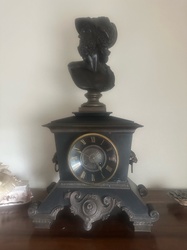
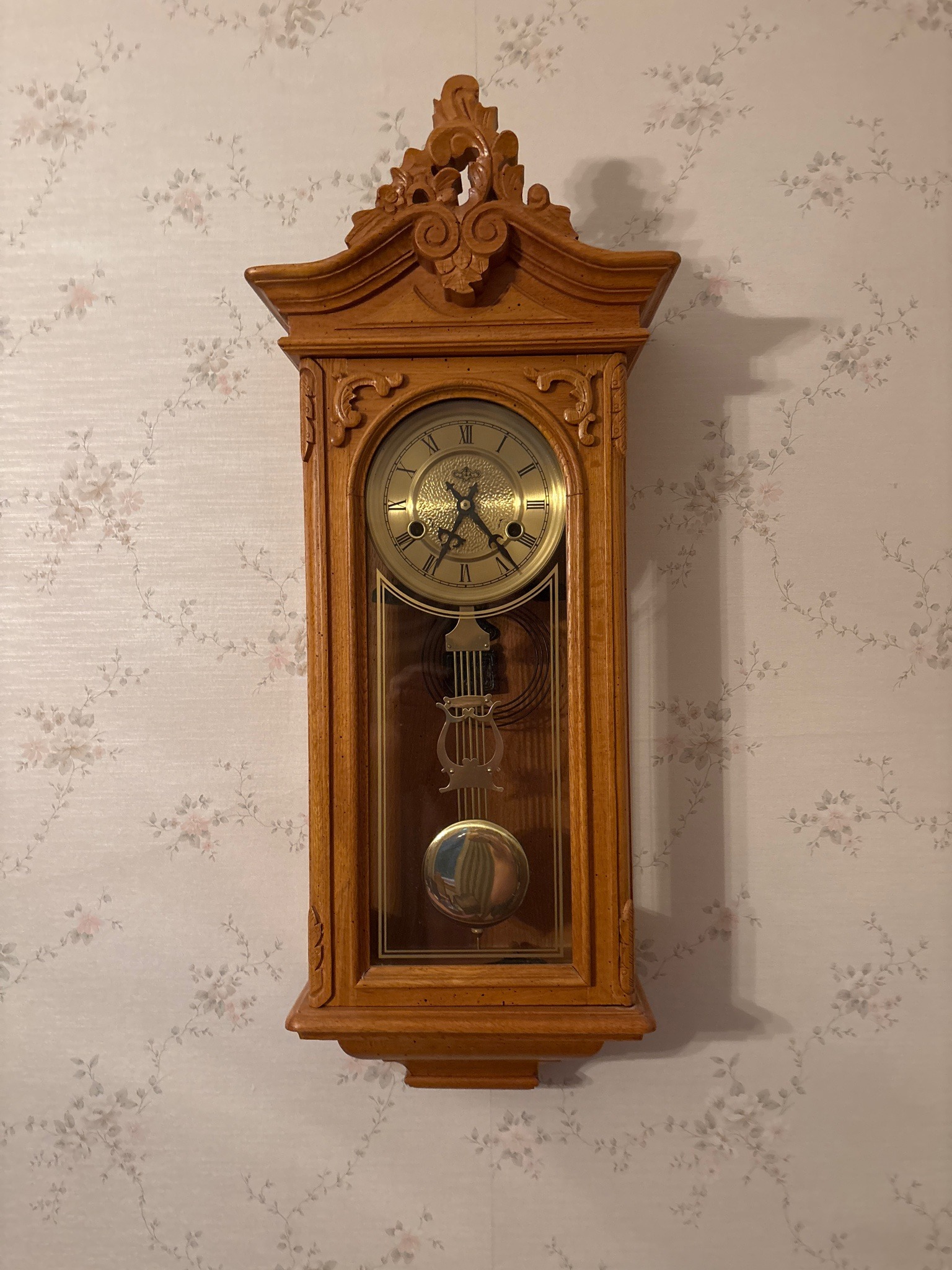
Wall clock in the traditional Regulator style

Submitted photo of Wall clock in the traditional Regulator style
Photo submitted by the user — not generated by AI

AI Estimated Value

Not an official valuation

$150 - $350

AI estimate as of May 24, 2026 · verify with a professional before acting

AI-Generated · Verify before acting

Everything on this page is generated by AI for informational purposes only. AI can make mistakes — the AI may misidentify items or misattribute them (artist, maker, brand, designer, origin, era). This is not an official valuation and should not be used for insurance, sale, tax, estate, legal, or lending purposes — or any decision requiring a certified appraisal. It is not an authoritative claim about any person, brand, or rights holder — do not share or rely on it as a factual statement about a third party. Always consult qualified professionals before making financial decisions.

Read the full disclaimer

AI Item Analysis

This item appears to be a wall-mounted clock, stylistically consistent with the German 'Regulator' or 'Vienna Regulator' tradition. The case is constructed from a light-colored wood, possibly oak or stained pine, featuring an architectural pediment with an ornate, scrolled crest at the top. The lower section of the case includes a glass door with a gold-toned border, revealing a polished metal pendulum with a lyre-shaped ornament. The clock face is metallic with a brushed gold finish, featuring black Roman numerals and two keyholes, which suggests a dual-spring mechanical movement (likely for both timekeeping and a chime or strike). The hands are black and ornate. While the design echoes 19th-century European clocks, the overall finish and materials are consistent with a late-20th-century reproduction, such as those produced by Howard Miller or similar manufacturers. No maker's mark is legible on the dial or movement in the provided image; therefore, the attribution to a specific maker or exact era remains a hypothesis subject to in-person inspection. The condition seems good with no significant visible damage, though minor dust is present on the lower ledge.
AI Appraisal Report

Based on my visual analysis of the provided image, this wall clock is hypothesized to be a late-20th-century reproduction in the 'Vienna Regulator' style. The architectural pediment, lyre pendulum, and dual-keyhole metallic dial are consistent with mass-produced mechanical clocks from manufacturers such as Howard Miller or Ridgeway. However, from a photograph, I cannot verify the specific maker, nor can I determine the integrity of the mechanical movement or the exact composition of the wood case. The value range of $150 to $350 represents the typical market for second-hand, reproduction regulator clocks in good aesthetic condition. Demand for this category is currently stable but limited by the preference for modern digital timekeeping. The estimate assumes the movement is functional; if the internal mechanics are seized or damaged, the value would likely drop below $75. To transition from this hypothesis toward a more certain valuation, an in-person inspection by a horologist is necessary to examine the movement for maker's marks, verify if the gears are brass or plastic, and confirm the method of joinery. Should this item be identified as a 19th-century European antique rather than a modern reproduction—a possibility I cannot rule out but which appears less likely given the finish—the value could exceed $1,000. Conversely, if it is a quartz-battery 'marriage' of parts, the value would be significantly lower. Verification of provenance or original purchase documentation would also be required to refine this estimate.

Keep exploring

More clocks appraisals

Get your items appraised

Instant AI-powered appraisal estimates from a photo

Browse More Appraisals