AI identification & appraisal estimate

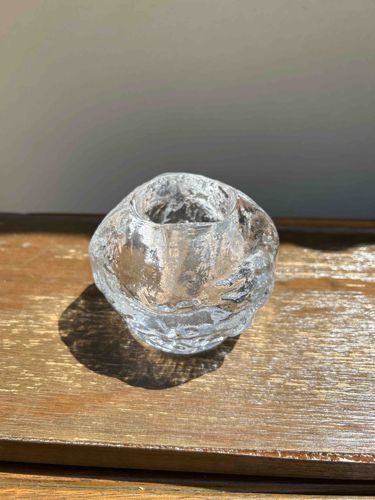
Kosta Boda 'Snowball' Glass Votive Candle Holder

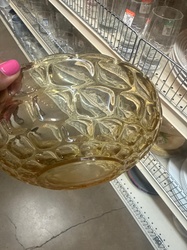
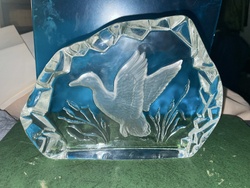
Submitted photo of Kosta Boda 'Snowball' Glass Votive Candle Holder
Photo submitted by the user — not generated by AI

User's notes

Kosta Boda

These notes were written by the person who submitted this item. Appraiser.AI has not verified them, and the AI's identification and estimate may rely on them.

AI Estimated Value

Not an official valuation

$15 - $35

AI estimate as of February 14, 2026 · verify with a professional before acting

AI-Generated · Verify before acting

Everything on this page is generated by AI for informational purposes only. AI can make mistakes — the AI may misidentify items or misattribute them (artist, maker, brand, designer, origin, era). This is not an official valuation and should not be used for insurance, sale, tax, estate, legal, or lending purposes — or any decision requiring a certified appraisal. It is not an authoritative claim about any person, brand, or rights holder — do not share or rely on it as a factual statement about a third party. Always consult qualified professionals before making financial decisions.

This analysis also relies on unverified notes provided by the user, which may be incomplete or inaccurate and could affect the result.

Read the full disclaimer

AI Item Analysis

This is a quintessential example of Scandinavian glass design, the 'Snowball' votive candle holder produced by Kosta Boda of Sweden. Designed by Ann Wolff (formerly Wärff) in 1973, this piece is crafted from heavy, high-quality lead crystal. Physically, the item features a rugged, irregular spherical form intended to mimic the appearance and texture of a handmade snowball. The exterior is characterized by a deeply textured, 'craggy' surface that diffuses light brilliantly, while the interior is a smooth, cylindrical cavity designed to hold a standard tea light or votive candle. Its transparent, colorless glass emphasizes the purity and clarity of the material. In terms of condition, the piece appears to be in excellent vintage state with no visible chips, cracks, or clouding. The thick walls and substantial weight are hallmarks of the artisanal centrifuge or hand-molding techniques used in the Kosta Boda factory. This style period reflects the organic, nature-inspired minimalism of the 1970s Swedish crystal movement. There are no maker's marks visible in the photograph, though these typically carried an adhesive transparency label or a faint acid-etched signature on the base. The craftsmanship is evident in the play of light created by the undulating refractive surfaces, which provide a warm, flickering glow when illuminated.
AI Appraisal Report

Based on my examination of the images provided, this Kosta Boda 'Snowball' votive candle holder is a recognizable design by Ann Wolff from 1973. Physically, the piece exhibits the characteristic icy, craggy texture and heavy, clear lead crystal construction expected of authentic Kosta Boda production. The clarity of the glass appears excellent, consistent with the 'excellent vintage state' described, showing no obvious chips or flea bites on the prominent ridges, which is critical for value retention in these functional pieces. While these Snowballs are iconic examples of 1970s Scandinavian design, they were produced in mass quantities and remain widely available on the secondary market today. They serve as a quintessential entry-point for collectors of Swedish glass. Depending on the size (which comes in three standard variants: small, medium, large), prices fluctuate slightly, but generally remain modest. The lack of an original sticker or acid-etched signature is common, as stickers often washed off and signatures were not present on all production runs, but this does slightly dampen the potential for the higher end of the valuation spectrum. Market demand remains steady due to the timeless 'hygge' aesthetic, but supply is high. Values are heavily dependent on immediate condition; even minor shelf wear can reduce the value to the lower end. To provide a definitive authentication, I would need to physically handle the object to assess the weight and refractive quality of the crystal, as well as inspect the base for any faint, etched marks invisible in photos. However, given the ubiquity of this model, reproductions are rare, and this piece appears to be a genuine vintage article.

Keep exploring

More vintage scandinavian art glass appraisals

Get your items appraised

Instant AI-powered appraisal estimates from a photo

Browse More Appraisals