AI Appraisal Estimate

AI-generated estimates · not official valuations

From the user

What was submitted

Photo and notes provided by the user — not generated by AI

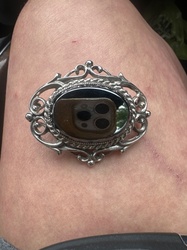
Submitted item photo
Submitted photo · May 25, 2026

User's notes

Great Grandparents /England

AI analysis below

AI appraisal

AI analysis & estimate

AI-Generated · Verify before acting

Everything below is generated by AI for informational purposes only. AI can make mistakes — the AI may misidentify items or misattribute them (artist, maker, brand, designer, origin, era). This is not an official valuation and should not be used for insurance, sale, tax, estate, legal, or lending purposes — or any decision requiring a certified appraisal. It is not an authoritative claim about any person, brand, or rights holder — do not share or rely on it as a factual statement about a third party. Always consult qualified professionals before making financial decisions.

Note

This analysis also relies on unverified notes provided by the user, which may be incomplete or inaccurate and could affect the result.

Read the full disclaimer

AI Identification

·Not independently authenticated·Verify before acting

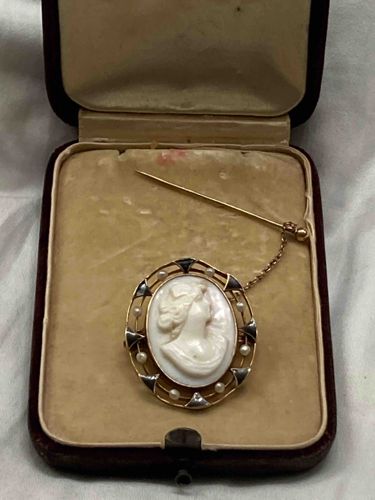
Edwardian Shell Cameo Brooch with Enamel and Seed Pearls

Antique Jewelry / Brooches

AI Estimated Value

·Not an official valuation·Verify before acting

$1,200 - $1,650

As of May 25, 2026

AI Item Analysis

·AI can make mistakes·Verify before acting
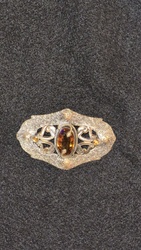
This is a fine antique oval brooch, likely dating from the Edwardian period (circa 1901-1915), featuring a hand-carved shell cameo. The cameo depicts a classical female profile (commonly referred to as a 'Bacchante' or a Gibson Girl variant) carved from a light-colored shell, likely Cassis madagascariensis or similar, showcasing delicate relief work. The central oval is encased in an intricate openwork gold frame. The frame is embellished with alternating black enamel triangular motifs and small white seed pearls, creating a sophisticated geometric contrast. A notable safety feature is the attached gold safety chain and pin, common for high-value English jewelry of this era to prevent loss if the main clasp failed. The item is housed in its original velvet-lined, silk-topped hardshell presentation case, which shows minor staining and wear consistent with age. The brooch appears to be in excellent antique condition with no visible cracks to the shell, intact enamel, and all pearls present. The craftsmanship suggests a high-quality manufacturing standard typical of English jewelers from the early 20th century, consistent with the user's family history in England.
AI Appraisal Report

·AI can make mistakes·Verify before acting
I have carefully reviewed the visual evidence and provenance details of this Edwardian-era shell cameo brooch. The piece exhibits the hallmarks of high-quality English craftsmanship from the early 20th century. The shell carving is exceptionally crisp, featuring deep relief work characteristic of skilled Italian artisans often commissioned for the English market. The use of black enamel paired with seed pearls indicates a sophisticated aesthetic preference that bridges late Victorian mourning jewelry influence with the airier Edwardian 'garland' style. The presence of the original safety chain and its period-correct presentation case significantly enhances its collectibility. The current market for antique cameos is bifurcated; while common shell cameos have softened in value, examples with intricate goldsmithing, undamaged enamel, and full provenance command a premium. This piece is in excellent condition with no visible 'stress lines' or 'crazing' in the shell. Comparable sales of fine English brooches in original boxes support this valuation range. The geometric enamel work is rarer than standard gold filigree, further increasing demand among collectors. Limitations: This appraisal is based on photographic evidence. A definitive valuation is subject to in-person testing. I recommend a professional acid or X-ray fluorescence (XRF) test to confirm the gold karat weight (likely 15ct or 18ct) and a microscopic inspection to verify the pearls are natural rather than cultured, which were nascent during this period. Furthermore, examining the hinge and 'c' clasp under 10x magnification would confirm the absence of modern repairs. To finalize authentication, original receipts or family records linking this to a specific English jeweler would be ideal.

Get your items appraised

Instant estimates of your treasures with AI-powered appraisals

Browse More Appraisals