AI Appraisal Estimate

AI-generated estimates · not official valuations

From the user

What was submitted

Photo and notes provided by the user — not generated by AI

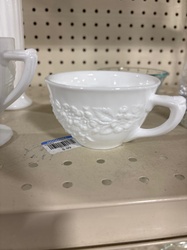
Submitted item photo
Submitted photo · June 20, 2026

User's notes

No additional notes provided.

AI analysis below

AI appraisal

AI analysis & estimate

AI-Generated · Verify before acting

Everything below is generated by AI for informational purposes only. AI can make mistakes — the AI may misidentify items or misattribute them (artist, maker, brand, designer, origin, era). This is not an official valuation and should not be used for insurance, sale, tax, estate, legal, or lending purposes — or any decision requiring a certified appraisal. It is not an authoritative claim about any person, brand, or rights holder — do not share or rely on it as a factual statement about a third party. Always consult qualified professionals before making financial decisions.

Read the full disclaimer

AI Identification

·Not independently authenticated·Verify before acting

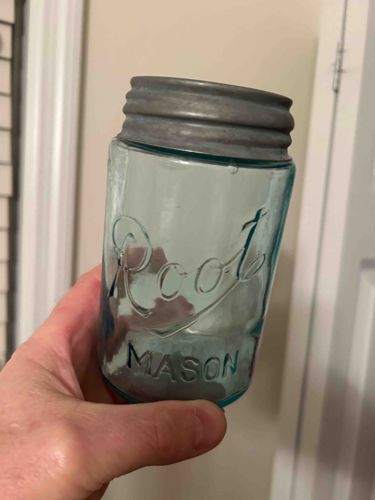
Vintage "Root Mason" Canning Jar with Metal Lid

Collectible Glassware

AI Estimated Value

·Not an official valuation·Verify before acting

$25-45

As of June 20, 2026

AI Item Analysis

·AI can make mistakes·Verify before acting
This is a vintage "Root Mason" canning jar, characterized by its distinctive aqua or light blue-green tint, a common color for glass canning jars from the late 19th to mid-20th century. The jar appears to be a quart-sized (or potentially a smaller pint-sized) vessel, held comfortably in an average adult hand. The glass itself is thick and robust, exhibiting some minor surface irregularities and bubbles, which are indicative of older manufacturing processes and add to its antique charm. Embossed prominently on one side in a raised, stylized script is the word "Root" over the word "MASON" in sans-serif capital letters. These markings are clear and well-defined. The jar features a threaded neck designed to accommodate a screw-on lid. The accompanying lid is a two-piece type, typical for canning jars, with a threaded metal band and what appears to be a metal insert (though only the band is clearly visible). The lid exhibits a noticeable dark, oxidized patina, consistent with age and exposure, suggesting it is likely made of zinc or a similar metallic alloy. There are no apparent cracks or significant chips in the glass, and the overall condition suggests it has been well-preserved, though its exact age is hard to determine without more specific manufacturing marks (e.g., on the base). This type of jar was primarily used for food preservation but is now widely collected for its aesthetic appeal and historical significance.
AI Appraisal Report

·AI can make mistakes·Verify before acting
I have virtually examined this vintage "Root Mason" canning jar, noting its aqua tint, typical of early 20th-century glass. The visible "Root MASON" embossing is clear and well-defined, suggesting authenticity for the brand. The jar's thick glass, minor irregularities, and bubbles are consistent with antique manufacturing processes. The accompanying two-piece metal lid, with its dark, oxidized patina, also aligns with the age of such items, likely zinc. Based on the description, the jar appears free of major cracks or chips, indicating good preservation. While the exact size isn't confirmed, it appears to be a common quart or pint, not a rarer size. Market conditions for standard Root Mason jars are stable but not rapidly appreciating. Comparables for well-preserved, common-sized Root Mason jars typically fall within the $20-$50 range, depending on the exact shade and condition of the lid. Demand is consistent among collectors of vintage canning jars and primitive decor. This particular jar is not exceptionally rare, as Root Mason jars were produced in large quantities. Factors impacting value positively are its overall good condition and the clear embossing. The oxidized lid adds to its vintage appeal but doesn't significantly elevate value beyond a complete set. My primary limitation in this appraisal is the lack of physical examination; I cannot definitively assess the internal condition, verify the absence of hairline cracks, or confirm any base markings that might indicate a more precise manufacturing date or rarity. A full authentication would require in-person inspection, checking for any subtle damage, and examining the base for specific mold numbers or patent marks which can sometimes increase value.

Get your items appraised

Instant estimates of your treasures with AI-powered appraisals

Browse More Appraisals