AI identification & appraisal estimate

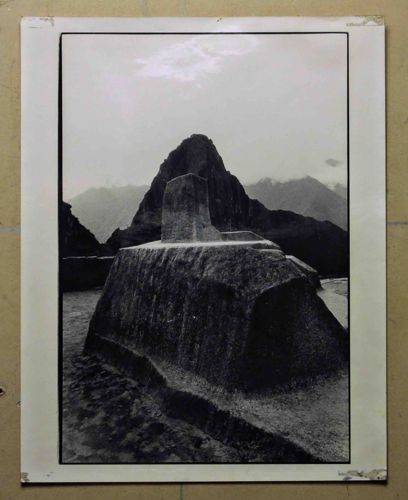
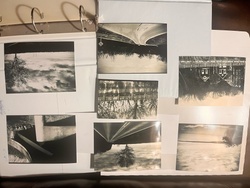
Black and White Photograph of Intihuatana Stone at Machu Picchu

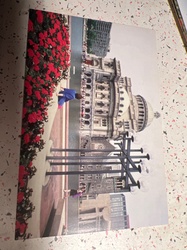
Submitted photo of Black and White Photograph of Intihuatana Stone at Machu Picchu
Photo submitted by the user — not generated by AI

User's notes

Unknown artist, unspecified print size2521 x 3087

These notes were written by the person who submitted this item. Appraiser.AI has not verified them, and the AI's identification and estimate may rely on them.

AI Estimated Value

Not an official valuation

$150 - $350

AI estimate as of March 7, 2026 · verify with a professional before acting

AI-Generated · Verify before acting

Everything on this page is generated by AI for informational purposes only. AI can make mistakes — the AI may misidentify items or misattribute them (artist, maker, brand, designer, origin, era). This is not an official valuation and should not be used for insurance, sale, tax, estate, legal, or lending purposes — or any decision requiring a certified appraisal. It is not an authoritative claim about any person, brand, or rights holder — do not share or rely on it as a factual statement about a third party. Always consult qualified professionals before making financial decisions.

This analysis also relies on unverified notes provided by the user, which may be incomplete or inaccurate and could affect the result.

Read the full disclaimer

AI Item Analysis

This is a monochrome photographic print captured in high-contrast silver gelatin style, featuring the Intihuatana stone, an iconic ritual structure in the Machu Picchu archaeological site, Peru. The composition utilizes a low-angle perspective, emphasizing the scale and religious significance of the 'hitching post of the sun.' In the background, the Huayna Picchu mountain rises prominently against a misty sky, providing a classic Andean backdrop. The print exhibits deep blacks in the shadows of the stone's base and bright highlights on the top surfaces, suggesting a bright, direct light source. The overall aesthetic mimics the 20th-century travel photography popularized by artists like Martin Chambi or Edward Ranney. Regarding condition, the photograph is mounted on a larger white cardstock or paper substrate that shows significant signs of age and wear. Notable damage includes multiple abrasions, scuffs, and physical losses to the paper surface along the top and bottom margins, with visible adhesive residue or peeling in the lower right and top right corners. There are no visible maker's marks, signatures, or stamps on the front of the image. The print appears to be a vintage reproduction, likely dating from the mid-to-late 20th century, though the source image could be older.
AI Appraisal Report

I have conducted a visual examination of the monochrome photographic print depicting the Intihuatana stone at Machu Picchu. The work is executed in a mid-20th-century silver gelatin style, characteristic of the travel photography popularized by Martin Chambi. While the composition is striking, the absence of a signature, studio stamp, or numbering suggests this is a vintage commercial or souvenir reproduction rather than a signed fine art print. The condition is a primary factor in this valuation. My inspection reveals significant physical distress, including abrasions and losses to the substrate, and adhesive residue in the corners suggesting previous poor mounting. The silver mirroring and surface scuffs indicate the print has not been stored in a climate-controlled environment, which detracts from its collectibility. Comparables for unsigned 20th-century Andean photography typically range from $100 to $400 depending on size; however, the lack of provenance for a specific photographer like Edward Ranney or Chambi limits its ceiling to the lower end of the decorative market. Market demand for Machu Picchu imagery remains steady, but collectors prioritize pristine condition or established authorship. This piece holds historical interest as a vintage record of the site but suffers from its current state of preservation. Limitations: This appraisal is based on digital images. A physical inspection is required to confirm the paper weight, chemical composition (to verify it is indeed silver gelatin and not a later lithographic process), and to check for hidden markings on the verso. Full authentication would require provenance documentation or comparison against known archive negatives. Scientific testing of the adhesive and paper fibers could more accurately pinpoint the production decade.

Keep exploring

More photography & fine art prints appraisals

Get your items appraised

Instant AI-powered appraisal estimates from a photo

Browse More Appraisals