Paleo American Chert Scraper / Hand Axe
Prehistoric Artifacts / Native American Lithics

Paleo American Chert Scraper / Hand Axe

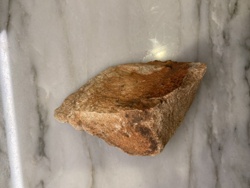
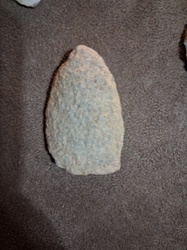
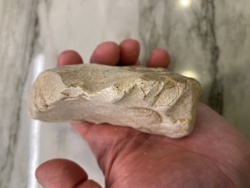
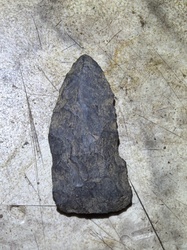
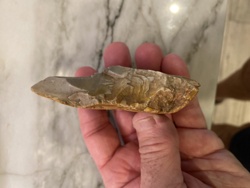
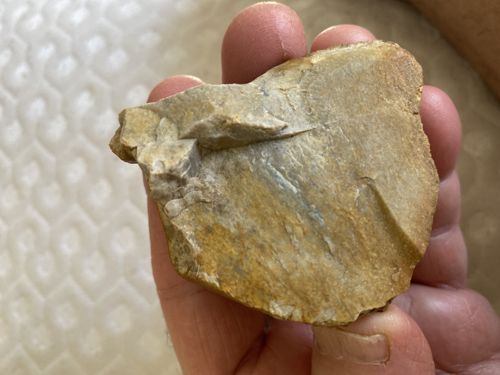
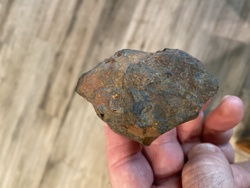
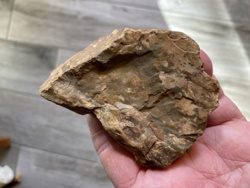
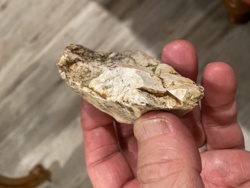
This is a Paleo-American lithic tool, specifically identified as a scraper or a small hand axe, discovered in Guthrie, Oklahoma. Measuring approximately 2 inches by 2 inches, the artifact is fashioned from a tan or yellowish-brown chert, a microcrystalline sedimentary rock favored for its predictable conchoidal fracturing. The tool displays a sub-triangular or ovate geometry, featuring a relatively flat face and a dorsal side characterized by intentional percussion flaking. One edge appears to have been bifacially or unifacially retouched to create a sharpened margin suitable for cutting, scraping hides, or woodworking tasks. The surface exhibits a distinct earthy patina and mineral staining consistent with long-term environmental exposure and burial. There are visible step fractures and smaller pressure flakes along the working edges, which indicate both the original manufacturing process and subsequent use-wear. The material shows natural inclusions and some lighter grey variations within the stone. In terms of condition, the piece remains structurally sound with no modern breakage, preserving the intentional form crafted by its maker. This tool represents high-quality utilitarian craftsmanship from a prehistoric period, likely thousands of years old, serving as a critical example of early North American stone tool technology and survival strategies.
Estimated Value

$45.00 - $75.00

Basic Information

Category

Prehistoric Artifacts / Native American Lithics

Appraised On

February 23, 2026

Estimated Value

$45.00 - $75.00

Additional Details Provided By Owner

User Provided Information

Paleo American chert scraper hand axe tool found in Guthrie OK measuring 2" x2"

Item Description

This is a Paleo-American lithic tool, specifically identified as a scraper or a small hand axe, discovered in Guthrie, Oklahoma. Measuring approximately 2 inches by 2 inches, the artifact is fashioned from a tan or yellowish-brown chert, a microcrystalline sedimentary rock favored for its predictable conchoidal fracturing. The tool displays a sub-triangular or ovate geometry, featuring a relatively flat face and a dorsal side characterized by intentional percussion flaking. One edge appears to have been bifacially or unifacially retouched to create a sharpened margin suitable for cutting, scraping hides, or woodworking tasks. The surface exhibits a distinct earthy patina and mineral staining consistent with long-term environmental exposure and burial. There are visible step fractures and smaller pressure flakes along the working edges, which indicate both the original manufacturing process and subsequent use-wear. The material shows natural inclusions and some lighter grey variations within the stone. In terms of condition, the piece remains structurally sound with no modern breakage, preserving the intentional form crafted by its maker. This tool represents high-quality utilitarian craftsmanship from a prehistoric period, likely thousands of years old, serving as a critical example of early North American stone tool technology and survival strategies.
Get Your Items Appraised

Instant estimates of your treasures with AI-powered instant appraisals

Browse More Appraisals