AI Appraisal Estimate

AI-generated estimates · not official valuations

From the user

What was submitted

Photo and notes provided by the user — not generated by AI

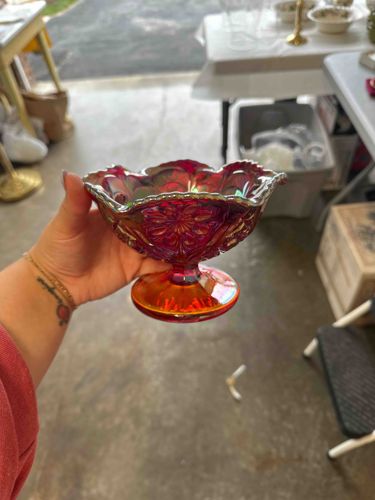
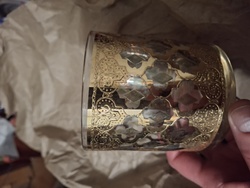
Submitted item photo
Submitted photo · June 6, 2026

User's notes

Emblem with a C or a G on bottom of piece

AI analysis below

AI appraisal

AI analysis & estimate

AI-Generated · Verify before acting

Everything below is generated by AI for informational purposes only. AI can make mistakes — the AI may misidentify items or misattribute them (artist, maker, brand, designer, origin, era). This is not an official valuation and should not be used for insurance, sale, tax, estate, legal, or lending purposes — or any decision requiring a certified appraisal. It is not an authoritative claim about any person, brand, or rights holder — do not share or rely on it as a factual statement about a third party. Always consult qualified professionals before making financial decisions.

Note

This analysis also relies on unverified notes provided by the user, which may be incomplete or inaccurate and could affect the result.

Read the full disclaimer

AI Identification

·Not independently authenticated·Verify before acting

Ruby Red Iridescent Carnival Glass Goblet/Compote Dish

Decorative Glassware

AI Estimated Value

·Not an official valuation·Verify before acting

$125-225

As of June 6, 2026

AI Item Analysis

·AI can make mistakes·Verify before acting
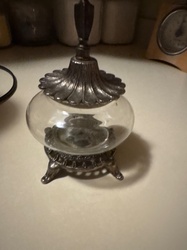
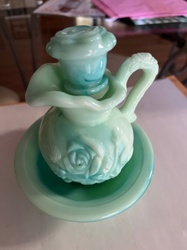
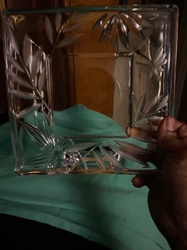
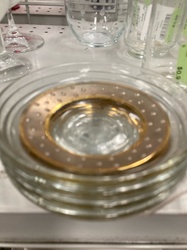
This is a single goblet or compote dish made of iridescent carnival glass, predominantly in a rich ruby red or berry hue with vibrant orange and magenta undertones, exhibiting the characteristic rainbow-like sheen associated with carnival glass. The piece features a shallow, scalloped bowl with a heavily textured or pressed pattern on both the interior and exterior surfaces, possibly depicting a floral or geometric starburst motif. The rim of the bowl appears to have a more pronounced iridescence, possibly with silver or gold reflections. The bowl is supported by a short, sturdy stem that flares out into a circular, footed base. The base also displays the same deep reddish-orange iridescence as the bowl, with colors shifting based on the viewing angle and lighting. The intricate molded patterns suggest a manufacturing process involving pressed glass. The condition appears to be good with minimal visible chips or cracks, although the exact state of the iridescence and any potential wear to the high points of the pattern would require closer inspection. The overall aesthetic points to an early 20th-century American production, typical of the carnival glass craze. An emblem described as a "C" or "G" on the bottom could indicate the manufacturer, such as "Fenton Art Glass Company" (often marked with an impressed F in an oval), "Imperial Glass Company" (various marks, including an "I" over a "G"), or another prominent glassmaker of the period. The quality of the iridescent finish and the clarity of the pressed pattern suggest good craftsmanship for this type of glassware.
AI Appraisal Report

·AI can make mistakes·Verify before acting
Upon examining the provided description of this Ruby Red Iridescent Carnival Glass Goblet/Compote Dish, I find it to be a fine example of early 20th-century pressed glass. The vibrant ruby red or berry hue with orange and magenta undertones, characteristic iridescence, and intricate textured patterns are all consistent with high-quality carnival glass production. The description of a shallow, scalloped bowl, short stem, and footed base points to either a goblet or compote form, both of which are desirable. The reported good condition, with minimal visible chips or cracks, is a significant positive factor, as wear to iridescence or pattern high points can drastically reduce value. The mention of a 'C' or 'G' emblem on the bottom is crucial for authentication and valuation. If this mark is confirmed as an 'F' in an oval for Fenton, or an 'I' over a 'G' for Imperial, it would significantly increase the value due to collector demand for specific manufacturers. Absence of clearly identifiable marks or attribution to a lesser-known maker would place it in a general carnival glass category, impacting demand. Market conditions for carnival glass remain steady for well-preserved, vibrant examples from known makers. The ruby red/berry color is particularly sought after. Demand is moderate to strong for pieces like this, especially if the iridescence is well-preserved. Rarity depends heavily on the specific pattern and maker. My assessment of authenticity is based purely on the descriptive details, which align with typical carnival glass attributes. However, full authentication would require an in-person examination to verify the mark, precisely assess the condition of the iridescence (especially common wear spots), confirm the lack of repairs, and accurately identify the pattern. Without physical inspection, I cannot definitively confirm authenticity or condition beyond the provided description.

Get your items appraised

Instant estimates of your treasures with AI-powered appraisals

Browse More Appraisals