AI Appraisal Estimate

AI-generated estimates · not official valuations

From the user

What was submitted

Photo and notes provided by the user — not generated by AI

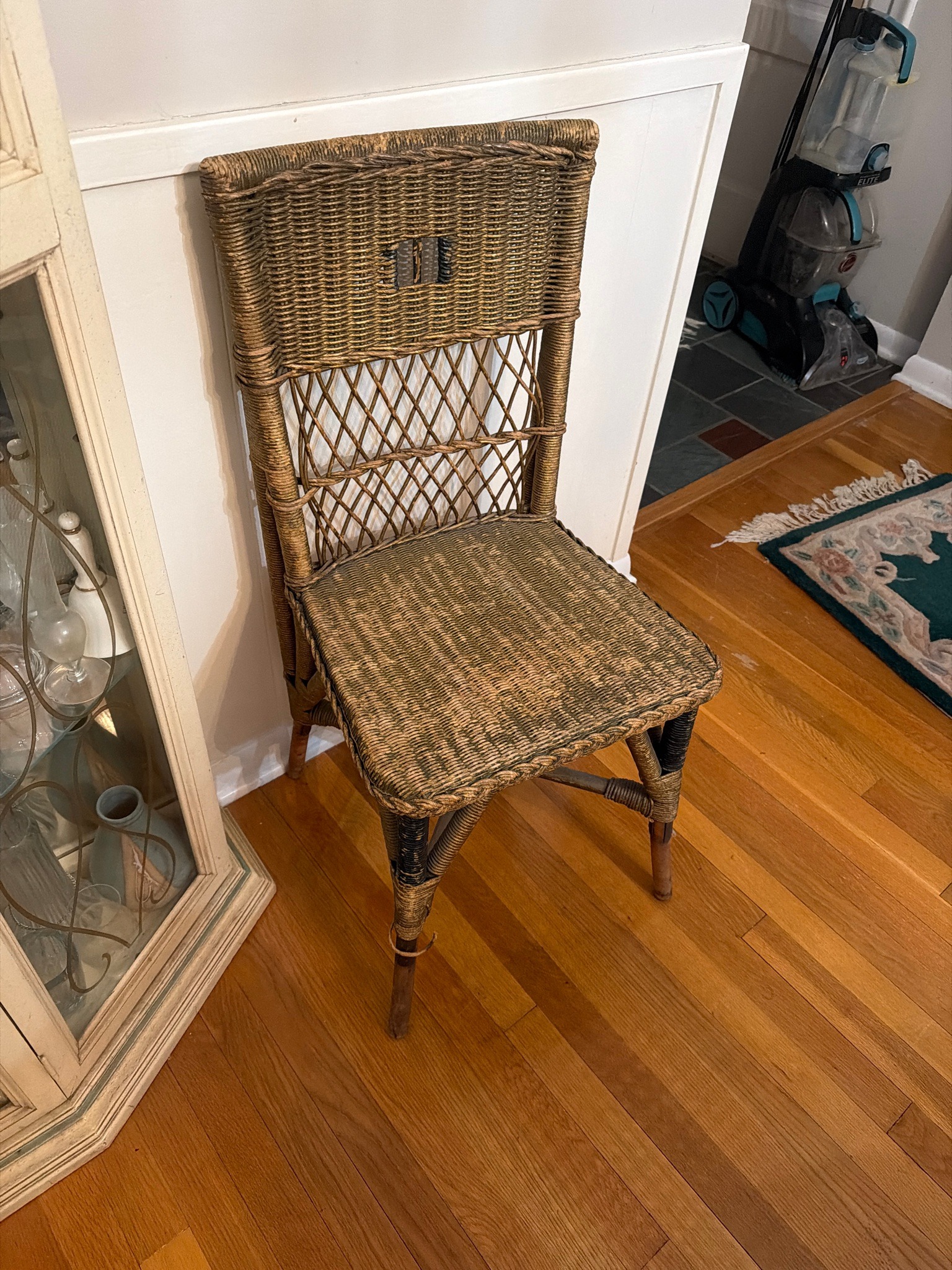
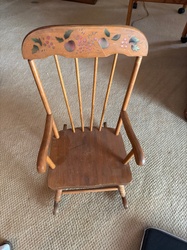
Submitted item photo
Submitted photo · June 6, 2026

User's notes

No additional notes provided.

AI analysis below

AI appraisal

AI analysis & estimate

AI-Generated · Verify before acting

Everything below is generated by AI for informational purposes only. AI can make mistakes — the AI may misidentify items or misattribute them (artist, maker, brand, designer, origin, era). This is not an official valuation and should not be used for insurance, sale, tax, estate, legal, or lending purposes — or any decision requiring a certified appraisal. It is not an authoritative claim about any person, brand, or rights holder — do not share or rely on it as a factual statement about a third party. Always consult qualified professionals before making financial decisions.

Read the full disclaimer

AI Identification

·Not independently authenticated·Verify before acting

Late Victorian Heywood-Wakefield Style Wicker Dining Chair

Antique Furniture / Wickerwork

AI Estimated Value

·Not an official valuation·Verify before acting

$150 - $250

As of June 6, 2026

AI Item Analysis

·AI can make mistakes·Verify before acting
This is a vintage wicker side chair, characterized by its intricate hand-woven construction and late 19th-century aesthetic. The chair features a high rectangular backrest with a dense wicker weave at the top, transitioning into a decorative open-lattice or 'X-motif' openwork section in the center for ventilation and style. The seat is solidly woven in a tight pattern. The structural frame appears to be hardwood or rattan poles, entirely wrapped in fine wicker strands, a technique common in Victorian-era sunroom furniture. The color is a deep, aged golden-brown patina with visible dark greenish-black accents near the leg joints and the top center of the backrest, which may indicate original polychrome painted details or natural oxidation of the materials. Notable features include decorative braid-like wrapping on the edges and a cross-stretcher base for stability. Regarding condition, the piece shows significant age-related wear: there is visible fraying of the wicker strands on the top right corner and along the seat edges, some unravelling on the front left leg wrapping, and general scuffing on the exposed wooden feet. There are no immediate signatures visible, but the style is highly indicative of the Heywood Brothers and Wakefield Rattan Company, dating roughly between 1890 and 1920. The craftsmanship reflects high-quality manual weaving, despite the current state of preservation.
AI Appraisal Report

·AI can make mistakes·Verify before acting
I have completed a visual examination of the late 19th-century wicker dining side chair, a piece heavily characteristic of the Heywood Brothers & Wakefield Rattan Company aesthetic (circa 1890-1910). The item showcases desirable period features, specifically the 'X-motif' openwork and the ornate braid-style wrapping common in the high-Victorian 'Golden Age' of wicker. The dark accents likely represent original green stain or 'oxidized' polychrome, which purist collectors find more appealing than later layers of thick white paint often seen on these pieces. Condition is the primary factor limiting the market value of this chair. My inspection reveals significant structural fatigue, including fiber loss on the back-splash and unraveling of the leg wraps. While the hand-woven craftsmanship is superior to modern reproductions, the cost of specialized wicker restoration (which is labor-intensive) often exceeds the fair market value of the piece. Currently, the market for Victorian wicker is localized; while rare oversized peacock chairs or ornate settles command high prices, single side chairs are generally viewed as decorative accents. Limitations: This appraisal is based solely on digital imagery. For definitive authentication, I would require an in-person inspection to locate potential paper labels or branded marks on the frame underside. I would also need to verify the material of the inner frame (hardwood vs. rattan) and check for dry rot within the joints. Professional provenance documentation tracing the chair back to a specific set or estate would be necessary to elevate its status from 'Style of' to a 'Fully Documented' Heywood-Wakefield piece.

Get your items appraised

Instant estimates of your treasures with AI-powered appraisals

Browse More Appraisals