AI Appraisal Estimate

AI-generated estimates · not official valuations

From the user

What was submitted

Photo and notes provided by the user — not generated by AI

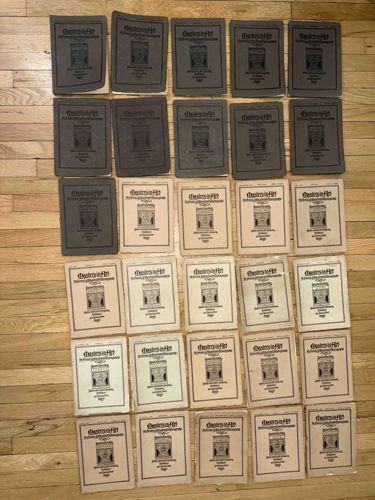
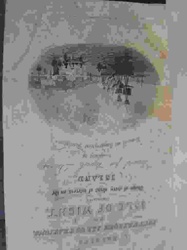
Submitted item photo
Submitted photo · June 17, 2026

User's notes

No additional notes provided.

AI analysis below

AI appraisal

AI analysis & estimate

AI-Generated · Verify before acting

Everything below is generated by AI for informational purposes only. AI can make mistakes — the AI may misidentify items or misattribute them (artist, maker, brand, designer, origin, era). This is not an official valuation and should not be used for insurance, sale, tax, estate, legal, or lending purposes — or any decision requiring a certified appraisal. It is not an authoritative claim about any person, brand, or rights holder — do not share or rely on it as a factual statement about a third party. Always consult qualified professionals before making financial decisions.

Read the full disclaimer

AI Identification

·Not independently authenticated·Verify before acting

Masters in Art: A Series of Illustrated Monographs (Collection of 30 Issues)

Antiquarian Books and Periodicals

AI Estimated Value

·Not an official valuation·Verify before acting

$450 - $600

As of June 17, 2026

AI Item Analysis

·AI can make mistakes·Verify before acting
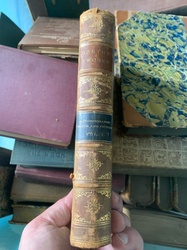
This collection comprises 30 individual softcover issues of the early 20th-century periodical 'Masters in Art: A Series of Illustrated Monographs', published by Bates & Guild Company of Boston. The collection shows two distinct cover styles: 11 issues feature a darker, possibly slate-blue or grey-brown textured cardstock, while 19 issues are in a lighter tan or buff-colored paper. Each issue typically measures approximately 7 by 10 inches and contains scholarly text alongside high-quality halftone reproductions. The title is printed in a stylized Gothic or Blackletter typeface at the top, bordered by a decorative frame that includes the name of the featured artist. Dating from roughly 1900 to 1909, these monographs represent an era of increased public interest in art history and education. The physical condition ranges from fair to good; visible issues include significant edge wear, chipping of the soft covers, corner bumping, and noticeable foxing or discoloration on the lighter paper covers. Some issues show slight warping and minor tearing along the spines, consistent with age and paper quality from the Edwardian period. The craftsmanship reflects the high production standards of Bates & Guild, known for their focus on architectural and artistic publications.
AI Appraisal Report

·AI can make mistakes·Verify before acting
I have completed a visual assessment of this collection comprising 30 issues of 'Masters in Art,' published by Bates & Guild Company between 1900 and 1909. These monographs were renowned for their high-quality halftone plates and academic rigor. My examination reveals 11 issues in the darker slate/grey-brown cardstock and 19 in the tan/buff paper. Authenticity is supported by the specific typography, publisher imprints, and chronological consistency of the featured artists. Condition is the primary variable; many volumes show significant chipping, edge wear, and foxing—common forEdwardian-era acidic paper. While the decorative typography remains crisp, the structural integrity of several spines is compromised. The market for these periodicals is steady among art historians and interior decorators who value them for archival research or aesthetic display. Comparable sales for partial sets usually range from $15 to $25 per issue for copies in 'Very Good' condition; however, the 'Fair' to 'Good' condition of this specific lot necessitates a lower per-unit valuation. The scarcity is moderate, as these were mass-produced, but finding a cohesive run of 30 issues adds a premium for collectors. This appraisal is based on photographic evidence only. A physical inspection is required to check for missing plates, internal repairs with non-archival tape, or hidden water damage. I would also need to verify the suppleness of the paper to ensure it is not too brittle for handling. Provenance documentation regarding previous institutional or private ownership would further stabilize the valuation.

Get your items appraised

Instant estimates of your treasures with AI-powered appraisals

Browse More Appraisals