AI Appraisal Estimate

AI-generated estimates · not official valuations

From the user

What was submitted

Photo and notes provided by the user — not generated by AI

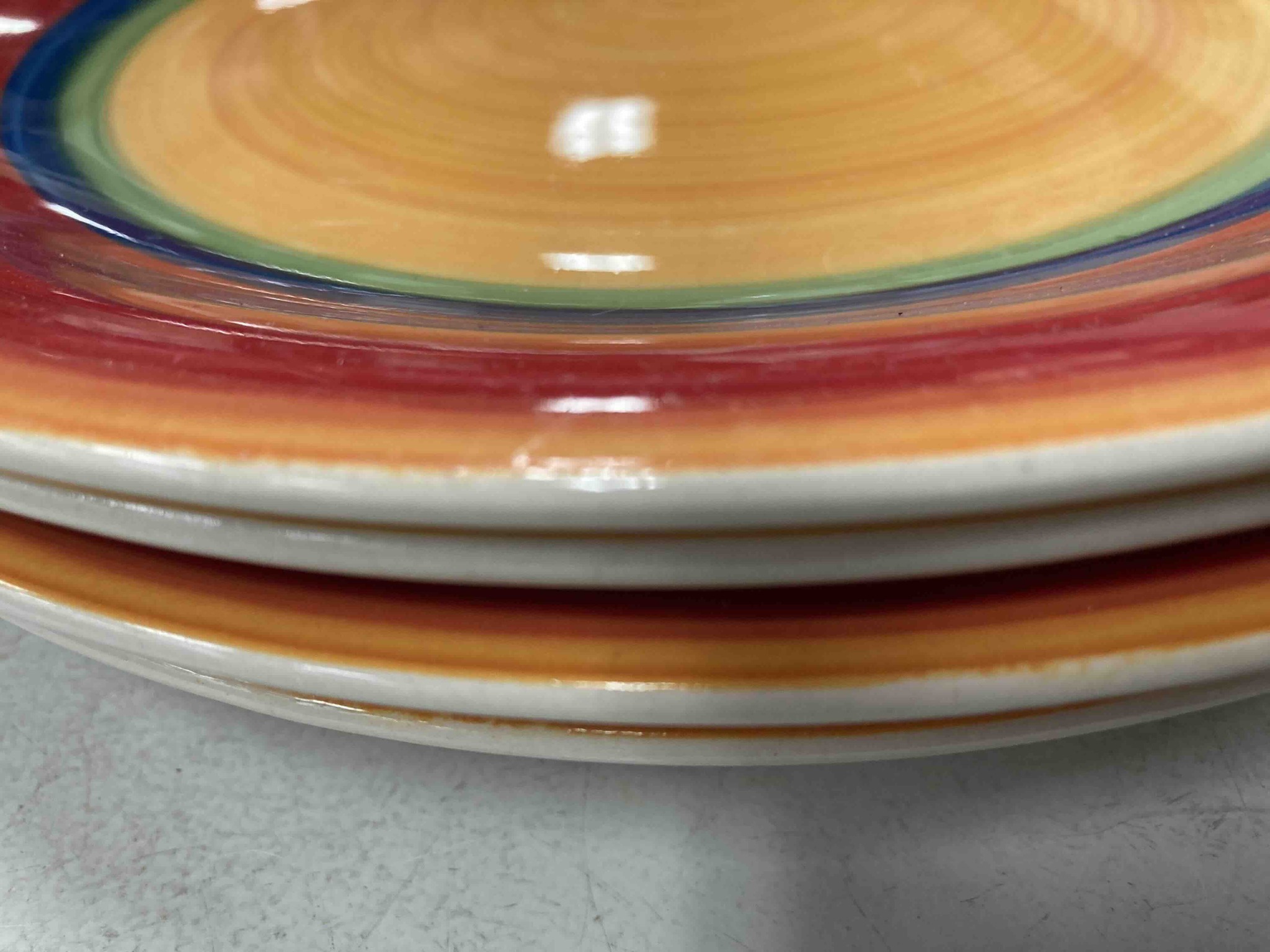
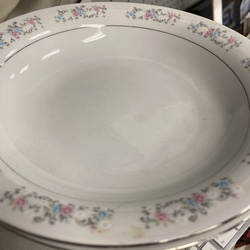
Submitted item photo
Submitted photo · May 27, 2026

User's notes

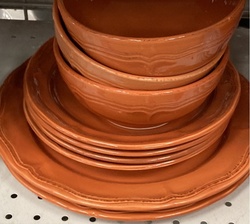
4 Royal Norfolk dinner plates

AI analysis below

AI appraisal

AI analysis & estimate

AI-Generated · Verify before acting

Everything below is generated by AI for informational purposes only. AI can make mistakes — the AI may misidentify items or misattribute them (artist, maker, brand, designer, origin, era). This is not an official valuation and should not be used for insurance, sale, tax, estate, legal, or lending purposes — or any decision requiring a certified appraisal. It is not an authoritative claim about any person, brand, or rights holder — do not share or rely on it as a factual statement about a third party. Always consult qualified professionals before making financial decisions.

Note

This analysis also relies on unverified notes provided by the user, which may be incomplete or inaccurate and could affect the result.

Read the full disclaimer

AI Identification

·Not independently authenticated·Verify before acting

Royal Norfolk Hand-Painted Multi-Color Dinner Plates

Dinnerware / Kitchen & Dining

AI Estimated Value

·Not an official valuation·Verify before acting

$10 - $15

As of May 27, 2026

AI Item Analysis

·AI can make mistakes·Verify before acting
This set of heavy stonware dinner plates, manufactured by Royal Norfolk, features a colorful southwest or Tuscan-inspired concentric ring pattern. The plates are constructed with a substantial weight typical of mass-produced ceramic dinnerware. The color palette consists of a golden yellow or ochre center, surrounded by bands of hunter green, dark navy blue, and a wide brick red rim, accented by thin orange transition lines. The glaze has a high-gloss finish that shows visible hand-painted brushstroke textures, giving the circles a slightly irregular, rustic appearance. Each plate has a white ceramic base and a small raised foot ring. In terms of condition, there are several notable issues visible in the high-detail shots: the rims show significant glaze wear and small chips (flea bites), exposing the white ceramic body underneath. There is noticeable crazing (fine surface cracking) within the clear glaze layer, likely due to use and mechanical stress. These plates are contemporary mass-market housewares, likely dating from the early 2000s, frequently found in big-box retail environments. While they offer a vibrant aesthetic, the visible rim damage and surface crazing indicate heavy prior use, which should be considered when assessing the overall integrity and value for everyday dining or collection purposes.
AI Appraisal Report

·AI can make mistakes·Verify before acting
I have conducted a visual examination of the four Royal Norfolk hand-painted stoneware dinner plates. The set features a concentric ring pattern in a palette of ochre, forest green, navy, and brick red. Upon inspection, the items exhibit several significant condition issues that negatively impact their marketability and utilitarian value. I observed prominent 'flea bites' and glaze loss along the rims, as well as extensive crazing through the clear overglaze. Such wear is typical for mass-market stoneware of this era (circa early 2000s) but suggests heavy previous use and potential vulnerability to thermal shock or bacteria harbor in the cracks. Royal Norfolk is a brand historically associated with budget-friendly retailers and big-box stores. These pieces were mass-produced in high quantities and do not possess rarity or significant collector demand. Current market comparables for used, damaged Royal Norfolk stoneware indicate a very low price point, often found in thrift environments for a few dollars per plate. The value assigned reflects the set's status as a functional household item rather than a collectible. Final authentication based on digital images is limited; a physical inspection is required to check for structural cracks hidden by the crazing and to verify any underside manufacturer marks. To confirm food safety given the glaze damage, a lead testing kit would be recommended, though unlikely for items of this modern provenance. Value is further constrained by the fact that shipping costs for heavy stoneware often exceed the fair market value of the items themselves.

Get your items appraised

Instant estimates of your treasures with AI-powered appraisals

Browse More Appraisals