AI Appraisal Estimate

AI-generated estimates · not official valuations

From the user

What was submitted

Photo and notes provided by the user — not generated by AI

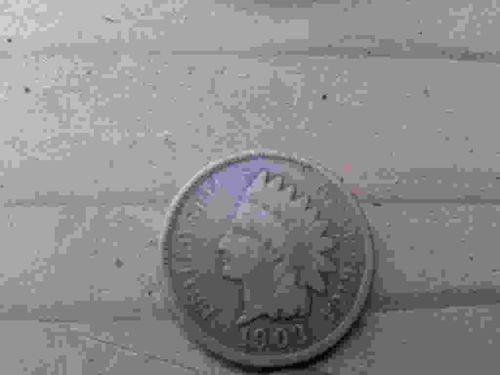
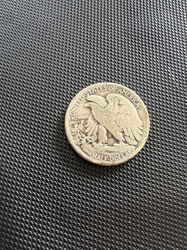
Submitted item photo
Submitted photo · June 6, 2026

User's notes

No additional notes provided.

AI analysis below

AI appraisal

AI analysis & estimate

AI-Generated · Verify before acting

Everything below is generated by AI for informational purposes only. AI can make mistakes — the AI may misidentify items or misattribute them (artist, maker, brand, designer, origin, era). This is not an official valuation and should not be used for insurance, sale, tax, estate, legal, or lending purposes — or any decision requiring a certified appraisal. It is not an authoritative claim about any person, brand, or rights holder — do not share or rely on it as a factual statement about a third party. Always consult qualified professionals before making financial decisions.

Read the full disclaimer

AI Identification

·Not independently authenticated·Verify before acting

1903 Indian Head Penny (One Cent Coin)

Numismatics / US Coins

AI Estimated Value

·Not an official valuation·Verify before acting

$1.50 - $3.00

As of June 6, 2026

AI Item Analysis

·AI can make mistakes·Verify before acting
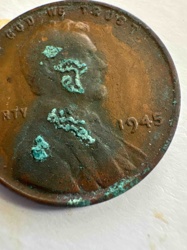
This is a United States one-cent coin, commonly known as an 'Indian Head Penny,' dated 1903. The obverse side features a left-facing profile of Liberty wearing a Native American feathered headdress, with the inscription 'UNITED STATES OF AMERICA' surrounding the perimeter and the date '1903' located at the bottom. Designed by James B. Longacre, these coins were minted in a composition of 95% copper and 5% tin and zinc, measuring approximately 19mm in diameter. The visible condition of this specific specimen indicates significant circulation wear. The high points of the design, such as the feathers in the headdress and the hair curls around the ear, show flattening and loss of detail. The word 'LIBERTY' on the headband, a primary indicator of grade, appears worn or illegible. The coin exhibits a dark, aged patina consistent with long-term handling, and the rim shows minor smoothing. There are small surface marks and a somewhat grainy texture, likely from environmental exposure. Despite the wear, the date and primary legend remain fully identifiable, making it a classic example of early 20th-century American copper coinage produced by the Philadelphia Mint during the final years of this design's production run.
AI Appraisal Report

·AI can make mistakes·Verify before acting
I have virtually examined this 1903 Indian Head Penny. The coin presents as a circulated specimen typically graded in the 'Good' (G-4) to 'Very Good' (VG-8) range on the Sheldon Scale. My assessment is based on the significant wear observed on the high points of the design, specifically the flattening of the feathers and the loss of the 'LIBERTY' inscription on the headband. The dark patina and surface texture suggest a typical oxidation process for a copper coin of this age that has spent decades in circulation. The 1903 issue is a high-mintage year with over 85 million struck at the Philadelphia Mint. Because it is not a 'key date' (like the 1877 or 1909-S), its value is driven primarily by its status as a historical curiosity rather than extreme rarity. Current market demand is steady among entry-level collectors, but prices for lower-grade examples remain low due to high surviving populations. While the design elements and aging appear consistent with genuine United States Mint coinage of the era, this appraisal is subject to limitations. A digital image cannot verify the coin's exact weight (3.11 grams), diameter (19mm), or metallic composition. To confirm authenticity and rule out contemporary counterfeits or alterations, an in-person physical inspection is required. Specifically, I would need to examine the coin under 10x magnification to check for 'bubbling' (indicative of casting) or unnatural surface cleaning that could decrease the value. No provenance documentation was provided, which is standard for low-value numismatic items, but professional certification by PCGS or NGC would be the only way to achieve a definitive grade and guarantee of authenticity.

Get your items appraised

Instant estimates of your treasures with AI-powered appraisals

Browse More Appraisals