AI Appraisal Estimate

AI-generated estimates · not official valuations

From the user

What was submitted

Photo and notes provided by the user — not generated by AI

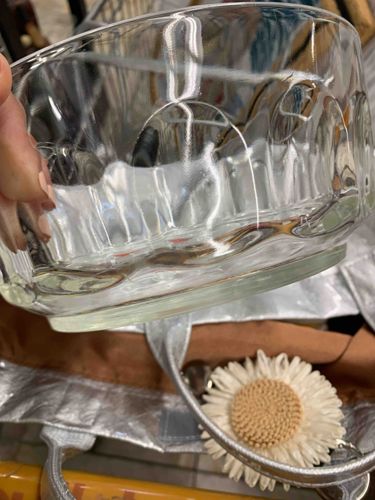
Submitted item photo
Submitted photo · June 6, 2026

User's notes

Bowl

AI analysis below

AI appraisal

AI analysis & estimate

AI-Generated · Verify before acting

Everything below is generated by AI for informational purposes only. AI can make mistakes — the AI may misidentify items or misattribute them (artist, maker, brand, designer, origin, era). This is not an official valuation and should not be used for insurance, sale, tax, estate, legal, or lending purposes — or any decision requiring a certified appraisal. It is not an authoritative claim about any person, brand, or rights holder — do not share or rely on it as a factual statement about a third party. Always consult qualified professionals before making financial decisions.

Note

This analysis also relies on unverified notes provided by the user, which may be incomplete or inaccurate and could affect the result.

Read the full disclaimer

AI Identification

·Not independently authenticated·Verify before acting

Pressed Glass Serving Bowl with Fluted Sides

Kitchenware/Glassware

AI Estimated Value

·Not an official valuation·Verify before acting

$15-35

As of June 6, 2026

AI Item Analysis

·AI can make mistakes·Verify before acting
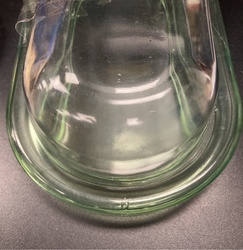
The item is a clear glass serving bowl, likely intended for salads, desserts, or fruits. It appears to be made from pressed glass, characterized by its substantial thickness and molded design elements. The bowl features a distinct ribbed or fluted pattern on its exterior, which creates an optical play with light within the glass. This pattern extends vertically around the sides of the bowl, offering both decorative appeal and potentially a tactile grip. The base of the bowl is flat and thick, providing stability. A notable design feature is the presence of four rounded indentations on the interior base, which correspond to external protrusions, suggestive of feet or a specific stacking design, though their exact purpose is not fully discernible without a view of the underside. The rim of the bowl is smooth and appears to be rolled or fire-polished, indicating good finishing. There are no visible chips, cracks, or significant abrasions from the provided image, suggesting it is in good to excellent used condition. There are no obvious maker's marks or signatures discernible. Based on the common design and manufacturing techniques for pressed glass, this bowl likely dates from the mid-20th century, possibly from the 1950s to 1970s. The overall craftsmanship is typical of mass-produced yet durable glassware of that period.

AI Appraisal Report

·AI can make mistakes·Verify before acting
Upon examination of the provided imagery, this pressed glass serving bowl presents as a fine example of mid-20th century American glassware, likely dating from the 1950s to 1970s. The piece appears to be in excellent condition, with no visible chips, cracks, or significant wear. The fluted design is characteristic of mass-produced glassware from this era, created by companies like Anchor Hocking, Federal Glass, or Hazel-Atlas. Without a maker's mark, attribution to a specific manufacturer is difficult based on the image alone. The current market for unmarked, mid-century pressed glass is modest. While aesthetically pleasing and durable, these items were produced in large quantities, making them common. Demand is steady among collectors of vintage kitchenware and those seeking nostalgic afunctional pieces, but this does not translate to high monetary value. Comparable unmarked pressed glass bowls of similar size and condition typically sell in the $15 to $35 range at antique malls, online marketplaces, and flea markets. The primary factor limiting the value is its lack of rarity and specific brand identification. For a more definitive valuation and authentication, an in-person examination would be required to search for faint maker's marks, assess the glass for any subtle signs of damage or wear not visible in photos, and confirm the manufacturing method. Access to sales catalogs from the period could potentially help identify the specific pattern and maker, which could slightly influence its value if attributed to a more collected line.

Get your items appraised

Instant estimates of your treasures with AI-powered appraisals

Browse More Appraisals