AI Appraisal Estimate

AI-generated estimates · not official valuations

From the user

What was submitted

Photo and notes provided by the user — not generated by AI

Submitted item photo
Submitted photo · May 27, 2026

User's notes

No additional notes provided.

AI analysis below

AI appraisal

AI analysis & estimate

AI-Generated · Verify before acting

Everything below is generated by AI for informational purposes only. AI can make mistakes — the AI may misidentify items or misattribute them (artist, maker, brand, designer, origin, era). This is not an official valuation and should not be used for insurance, sale, tax, estate, legal, or lending purposes — or any decision requiring a certified appraisal. It is not an authoritative claim about any person, brand, or rights holder — do not share or rely on it as a factual statement about a third party. Always consult qualified professionals before making financial decisions.

Read the full disclaimer

AI Identification

·Not independently authenticated·Verify before acting

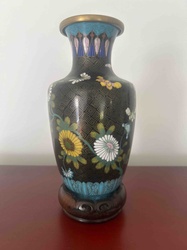
Japanese Black Cloisonné Enamel Floral Vase

Asian Antiques / Decorative Arts

AI Estimated Value

·Not an official valuation·Verify before acting

$1,200 - $1,800 USD

As of May 27, 2026

AI Item Analysis

·AI can make mistakes·Verify before acting
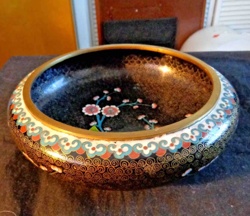
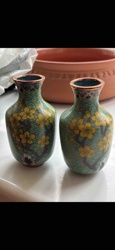
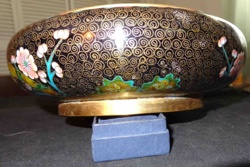
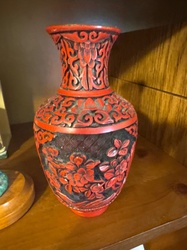
This is a medium-sized Japanese cloisonné enamel vase, likely dating from the Meiji period (1868-1912) or the early Taisho period. The vessel features a classic ovoid or baluster-shaped body with a short, flared neck and a stepped base rim, possibly made of silver or gilded brass. The background is a deep, Mirror-black lacquer-style enamel which serves as a dramatic canvas for the intricate floral decoration. The design showcases vibrant polychrome enamels forming large, stylized Chrysanthemum (Kiku) and Peonies in shades of deep red, coral, and pale pink, accented by green foliage and delicate silver-tone wire outlining. The craftsmanship displays the 'yusen' technique, where thin metal wires are used to separate the different enamel colors, creating sharp, detailed lines. Notable features include the dense placement of the traditional floral motifs across the upper shoulder and belly of the vase. The condition appears fair to good based on visual inspection, showing a lustrous surface finish, though close inspection might reveal common hairline cracks (hikime) or minor pitting typical of aged enamelware. There are no obvious dents or large losses visible in the image. This piece reflects high-quality decorative art craftsmanship intended for the export market, exemplifying the technical mastery of Japanese enamel artists from the late 19th to early 20th centuries.
AI Appraisal Report

·AI can make mistakes·Verify before acting
Based on my visual examination of this Japanese cloisonné enamel vase, I have identified it as a high-quality example of the 'yusen' (wire-clamped) technique, synonymous with the Meiji-era golden age of enameling. The mirror-black (kuro-shippo) ground is deep and uniform, providing the necessary contrast for the polychrome chrysanthemums and peonies. The execution of the wires suggests a skilled workshop, likely operating in the late 19th century catering to the Western export market. The condition appears stable with a high luster, though I note potential minute surface pitting which is common for this period. The 'fair to good' assessment hinges on the absence of major 'hikime' (star cracks) or enamel losses, which significantly degrade value. Market demand for Meiji-period decorative arts remains steady, particularly for floral motifs with vibrant coral and red pigments. Comparable sales of similarly sized vases with unnamed marks often fall in the $1,000 to $2,000 range, whereas signed pieces by masters like Namikawa Yasuyuki would command significantly more. Limitations: This appraisal is based on photographic evidence only. A physical inspection is required to check for hidden restorations, internal stress cracks, and the composition of the metal rims (silver vs. nickel). Furthermore, I would need to examine the base for a maker’s mark, which could double or triple the valuation. Definitive authentication requires verifying that the enamel is genuine glass-paste rather than modern resin and checking the weight/density of the copper body. Provenance documentation regarding its acquisition history would further solidify its market standing.

Get your items appraised

Instant estimates of your treasures with AI-powered appraisals

Browse More Appraisals