AI Appraisal Estimate

AI-generated estimates · not official valuations

From the user

What was submitted

Photo and notes provided by the user — not generated by AI

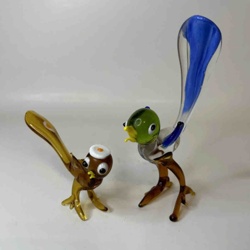
Submitted item photo
Submitted photo · May 16, 2026

User's notes

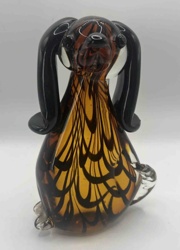
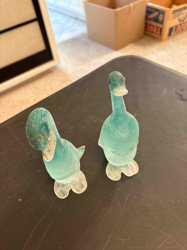
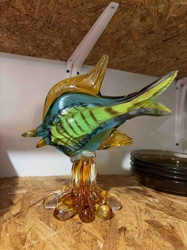
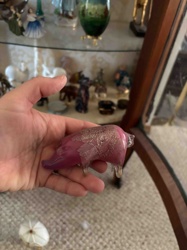
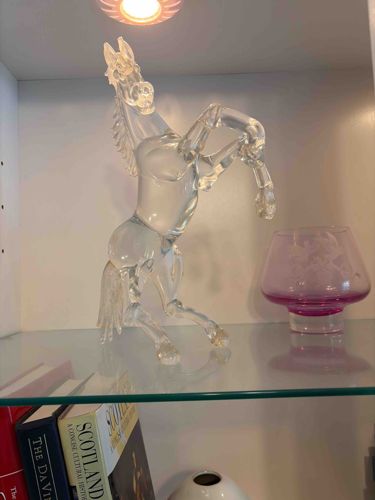
Italian Marano hand blown glass about 12 inches tall

AI analysis below

AI appraisal

AI analysis & estimate

AI-Generated · Verify before acting

Everything below is generated by AI for informational purposes only. AI can make mistakes — the AI may misidentify items or misattribute them (artist, maker, brand, designer, origin, era). This is not an official valuation and should not be used for insurance, sale, tax, estate, legal, or lending purposes — or any decision requiring a certified appraisal. It is not an authoritative claim about any person, brand, or rights holder — do not share or rely on it as a factual statement about a third party. Always consult qualified professionals before making financial decisions.

Note

This analysis also relies on unverified notes provided by the user, which may be incomplete or inaccurate and could affect the result.

Read the full disclaimer

AI Identification

·Not independently authenticated·Verify before acting

Murano Hand-Blown Clear Glass Rearing Horse Sculpture

Art Glass / Collectible Figurines

AI Estimated Value

·Not an official valuation·Verify before acting

$450 - $650

As of May 16, 2026

AI Item Analysis

·AI can make mistakes·Verify before acting
A tall, hand-sculpted glass figurine depicting a spirited rearing horse, standing approximately 12 inches high. This piece is crafted from high-clarity clear glass, likely originating from Murano, Italy, a region renowned for its master glasswork. The sculpture displays an impressive level of kinetic energy, with the front hooves tucked in a mid-air pose and the muscular hind legs providing stability. The craftsmanship is evident in the detailed tool marks on the mane and tail, which feature a ribbed or scalloped texture created while the glass was in a molten state. The torso is thick and solid, showcasing the weight and quality of the crystal. The head is finely articulated with visible ears, muzzle, and a flowing mane that suggests movement. To the touch, the glass appears smooth with no sharp internal seams, a hallmark of hand-blown/hand-sculpted techniques over industrial molding. Under the current lighting, the glass exhibits high brilliance with minimal yellowing, indicating high-grade silica. While no specific maker's mark is visible in the photograph, the style is consistent with mid-to-late 20th-century Venetian glass studios. The condition appears to be excellent with no obvious fractures, chips to the delicate tail ends, or cloudiness, though a professional inspection of the underside for 'shelf wear' or scratches would further confirm its age and handling history. The sculpture lacks colored inclusions, relying entirely on form and light refraction for its aesthetic impact.
AI Appraisal Report

·AI can make mistakes·Verify before acting
I have carefully examined the high-resolution images of this approximately 12-inch hand-sculpted glass rearing horse. The piece exhibits characteristic traits of mid-20th-century Murano craftsmanship, specifically the 'massello' technique where the artist sculpts the form from a single molten mass. The clarity of the crystal and the absence of mold seams strongly suggest a high-grade silica composition consistent with Venetian furnace standards. The sculptural fluidity, particularly in the mane and the balance of the hind legs, reflects a high level of technical mastery. The current market for colorless Murano glass remains steady, though values are generally higher for documented pieces by known masters like Seguso or Barbini. Without a signature or label, the value is based on the quality of execution and scale. Compared to auction results for similar 12-inch clear glass stallions, this piece sits in a mid-to-high tier due to its excellent condition—notably the intact tail and ear tips, which are prone to damage. Limitations: Verification from photographs alone is not a guarantee of authenticity. To provide a definitive attribution, I would need to perform an in-person inspection of the base to analyze 'shelf wear' patterns, which help distinguish vintage glass from modern reproductions. Scientific testing of the refractive index could confirm the lead content, and original provenance documentation would be required to link it to a specific studio. However, based on the tooling marks and the kinetic energy of the pose, this is a premium example of the genre. I recommend insuring the piece within the appraised range, as replacement costs for artisanal Italian glass continue to rise due to energy costs in Venice.

Get your items appraised

Instant estimates of your treasures with AI-powered appraisals

Browse More Appraisals