AI Appraisal Estimate

AI-generated estimates · not official valuations

From the user

What was submitted

Photo and notes provided by the user — not generated by AI

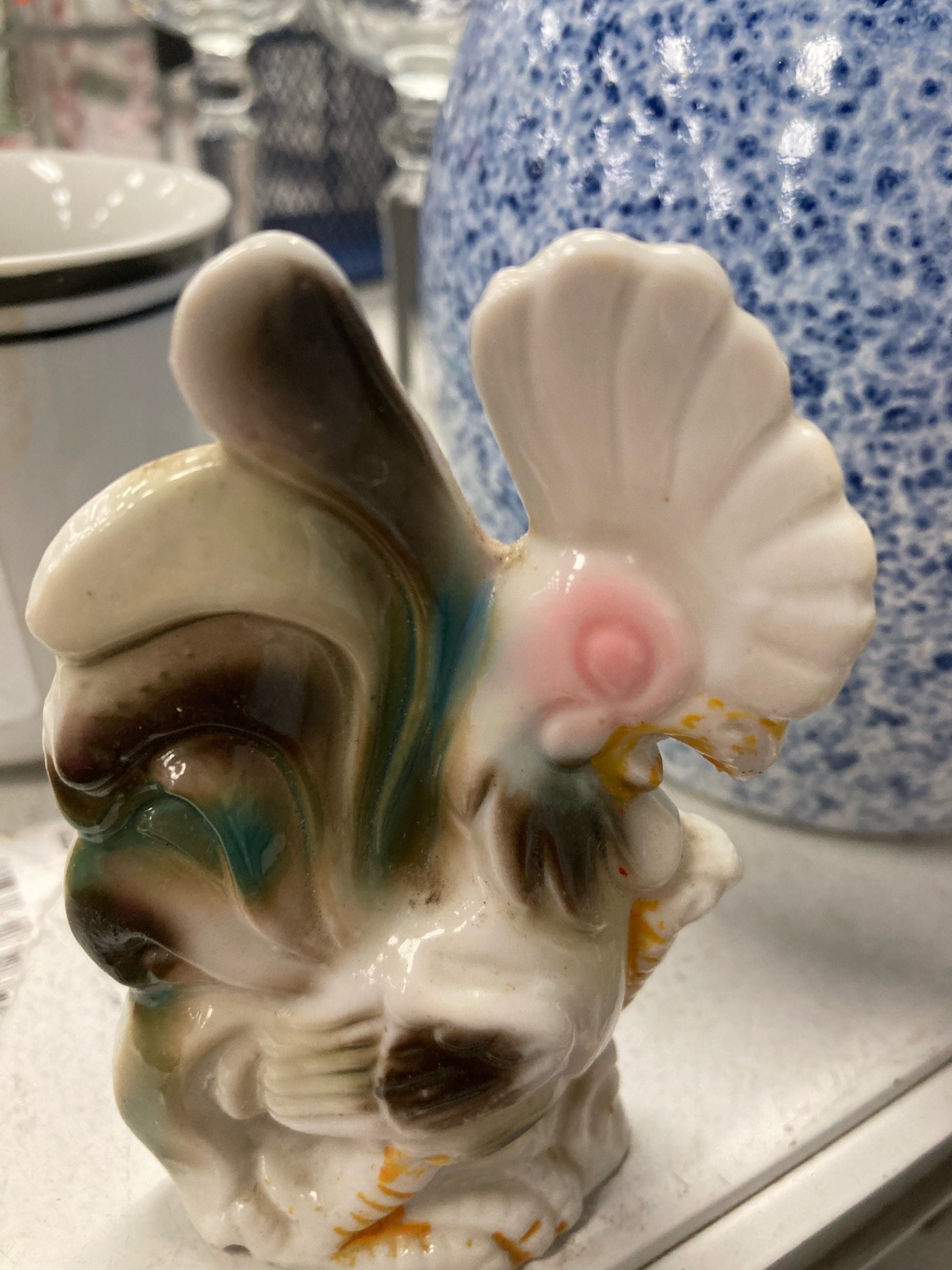
Submitted item photo
Submitted photo · June 8, 2026

User's notes

Figurine Japan

AI analysis below

AI appraisal

AI analysis & estimate

AI-Generated · Verify before acting

Everything below is generated by AI for informational purposes only. AI can make mistakes — the AI may misidentify items or misattribute them (artist, maker, brand, designer, origin, era). This is not an official valuation and should not be used for insurance, sale, tax, estate, legal, or lending purposes — or any decision requiring a certified appraisal. It is not an authoritative claim about any person, brand, or rights holder — do not share or rely on it as a factual statement about a third party. Always consult qualified professionals before making financial decisions.

Note

This analysis also relies on unverified notes provided by the user, which may be incomplete or inaccurate and could affect the result.

Read the full disclaimer

AI Identification

·Not independently authenticated·Verify before acting

Vintage Japanese Ceramic Rooster Figurine

Collectibles / Decorative Arts / Ceramic Figurines

AI Estimated Value

·Not an official valuation·Verify before acting

$25.00 - $45.00

As of June 8, 2026

AI Item Analysis

·AI can make mistakes·Verify before acting
This is a vintage ceramic figurine of a rooster, likely of Japanese origin as indicated by the style and context. The figurine is constructed from molded ceramic with a glossy overglaze. Its physical characteristics include a predominantly white or cream base color, accented by hand-painted or sponge-applied details in earth tones like brown, tan, and olive green, along with a distinctive pinkish-red wattle/comb and yellow-orange highlights on the beak and feet. The tail feathers are rendered in high relief with a scalloped, shell-like pattern. Notable features include the stylized, mid-century modern aesthetic common in export porcelain from the 1950s and 60s. The piece shows evidence of age including some accumulated grime in the recessed areas, minor surface abrasions, and what appears to be a small amount of adhesive residue or a minor firing crack where the neck meets the tail section. No prominent maker's marks are visible in the view provided, but the loose brushwork and localized pooling of colored glazes are typical of mass-produced Japanese giftware from the mid-20th century. The craftsmanship is standard for the era, utilizing a two-part mold process with manual finishing, resulting in a charming, slightly abstract avian form.

AI Appraisal Report

·AI can make mistakes·Verify before acting
I have examined the provided details and imagery for this vintage ceramic rooster figurine. Based on the stylistic execution, it is consistent with mid-century (c. 1950s–1960s) Japanese export ceramics. The 'Made in Japan' era produced vast quantities of these stylized animals, often characterized by the glossy overglaze and hand-sponged earth tones observed here. The condition appears to be 'Good' for its age, though the visible grime and potential firing crack/adhesive residue near the neck and tail slightly detract from its secondary market appeal. Authenticity as a mid-century piece is supported by the mold-markings and glaze pooling typical of the era's manufacturing techniques. The market for Japanese figural ceramics is currently stable but saturated; these items were produced in high volume, making them common rather than rare. Comparables at auction and in vintage shops typically sell within the $20 to $50 range, depending on the vibrancy of the colors and lack of chips. The presence of original manufacturer foil stickers would provide a slight premium, which is absent here. It is important to note that this appraisal is based strictly on photographic evidence. A digital image cannot definitively detect professional restorations, hairline fractures hidden under grime, or the internal state of the ceramic. A full authentication would require physical inspection to verify the 'ring' of the ceramic, check for invisible repairs under UV light, and confirm the absence of modern reproduction markings on the underside.

Get your items appraised

Instant estimates of your treasures with AI-powered appraisals

Browse More Appraisals