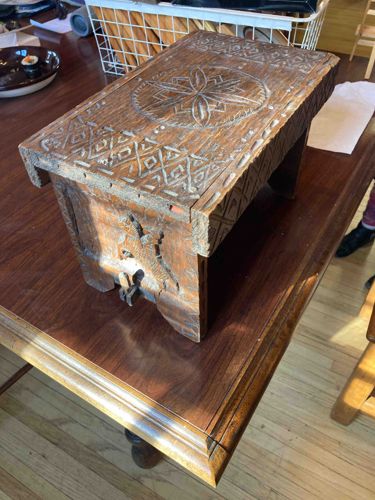
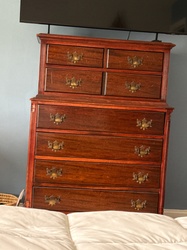
Hand carved wooden stool, approximately 16 inches wide by 10 inches tall
These notes were written by the person who submitted this item. Appraiser.AI has not verified them, and the AI's identification and estimate may rely on them.
AI Estimated Value
Not an official valuation
$250-400
AI estimate as of November 26, 2025 · verify with a professional before acting
AI-Generated · Verify before acting
Everything on this page is generated by AI for informational purposes only. AI can make mistakes — the AI may misidentify items or misattribute them (artist, maker, brand, designer, origin, era). This is not an official valuation and should not be used for insurance, sale, tax, estate, legal, or lending purposes — or any decision requiring a certified appraisal. It is not an authoritative claim about any person, brand, or rights holder — do not share or rely on it as a factual statement about a third party. Always consult qualified professionals before making financial decisions.
This analysis also relies on unverified notes provided by the user, which may be incomplete or inaccurate and could affect the result.
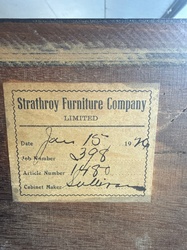
This is a hand-carved folk art wooden stool, approximately 16 inches wide by 10 inches tall. The stool is constructed from dark, possibly stained, hardwood, exhibiting a rich, warm brown color with visible wood grain and texture. Its form is rectilinear, with a flat top surface and two solid, slab-like legs that appear to be integrated into the top, possibly through mortise and tenon joints or a similar sturdy construction, although the exact joinery isn't perfectly clear from the image. The most prominent feature is the extensive and intricate hand carving that adorns all visible surfaces. The top features a large central rosette or starburst motif, enclosed within an oval or elliptical frame, surrounded by a border of geometric patterns, specifically repeating diamond shapes, some with internal cross-hatching. The side panels (legs) also display carved designs, seemingly abstract or stylized natural forms, possibly birds or floral elements, though indistinct in detail. The carving style suggests a traditional or folk art aesthetic, emphasizing geometric precision alongside curvilinear organic shapes. The stool exhibits significant wear consistent with age and use, including scuffs, scratches, and a prominent patina that has developed over time, particularly highlighting the raised areas of the carving. The edges and corners show signs of rubbing and minor chipping. The overall craftsmanship suggests a skilled individual hand-carved this piece, with slight irregularities indicating its handmade nature rather than mass production. There are no visible maker's marks or signatures. Based on its style and apparent wear, it is estimated to be a vintage piece, likely dating from the mid-20th century or earlier, reflecting a rustic or ethnic art influence.
AI Appraisal Report
Based on my visual examination of the provided image and the owner's description, this hand-carved folk art wooden stool presents as a compelling vintage piece. The dimensions of approximately 16 inches wide by 10 inches tall align with functional stool sizes. The dark hardwood, visible grain, and rich patina suggest considerable age and handling. The extensive, intricate hand-carving is a primary value driver, featuring a central rosette, geometric patterns, and what appear to be stylized forms on the legs. The slight irregularities in carving confirm its handmade, folk art authenticity rather than mass production. Condition-wise, the visible scuffs, scratches, minor chipping, and overall wear are consistent with prolonged use and age, contributing to its character without significantly detracting from its appeal. This wear is desirable in folk art, signifying its history. I assess it to be an authentic vintage item, likely mid-20th century or earlier, given its aesthetic and patination.
Market conditions for unique, well-carved folk art pieces like this are steady. While not a high-demand collectible category across the board, specific pieces with strong aesthetic appeal and clear age can command fair prices. Comparables would include hand-carved ethnic or primitive stools found in antique shops or online folk art auctions, often ranging from $200-$500 depending on complexity, wood type, and provenance. The lack of a clear origin (e.g., specific country or culture) limits its value somewhat, as does the indistinct detailing on the leg carvings. Rare pieces with documented origins or exceptional craftsmanship would fetch higher prices. Factors impacting value are primarily the extensive handcrafted nature, the attractive dark patina, and its genuine vintage appeal. Without physical inspection, I cannot confirm the exact wood species, scrutinize joinery techniques, or definitively rule out contemporary reproductions attempting to mimic age. Furthermore, maker's marks or provenance documentation would significantly enhance authenticity and value, which are absent here. Scientific wood dating or direct examination of carving tools marks would be ideal for full authentication beyond what an image allows.