AI identification & appraisal estimate

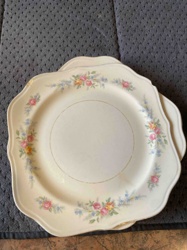
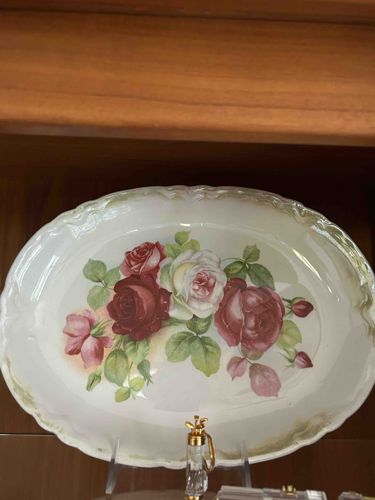
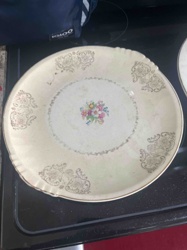
Vintage Oval Scalloped Cabbage Rose Porcelain Platter

Submitted photo of Vintage Oval Scalloped Cabbage Rose Porcelain Platter
Photo submitted by the user — not generated by AI

AI Estimated Value

Not an official valuation

$45 - $65

AI estimate as of January 17, 2026 · verify with a professional before acting

AI-Generated · Verify before acting

Everything on this page is generated by AI for informational purposes only. AI can make mistakes — the AI may misidentify items or misattribute them (artist, maker, brand, designer, origin, era). This is not an official valuation and should not be used for insurance, sale, tax, estate, legal, or lending purposes — or any decision requiring a certified appraisal. It is not an authoritative claim about any person, brand, or rights holder — do not share or rely on it as a factual statement about a third party. Always consult qualified professionals before making financial decisions.

Read the full disclaimer

AI Item Analysis

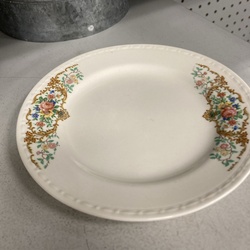
This is a vintage oval-shaped porcelain serving platter featuring a prominent central floral motif of 'Cabbage Roses.' The decoration consists of four large rose blossoms in shades of burgundy, deep red, and a soft creamy white, accented by various green leaves and small pink buds. The platter is constructed from white porcelain with a high-gloss glaze finishing. A defining physical characteristic is the embossed, scalloped rim which features a molded, wavy texture reminiscent of shell or scrollwork. The edge of the rim appears to have a subtle luster finish or faint gold gilding that has softened or worn over time, adding to its vintage character. The craftsmanship suggests a mid-20th-century aesthetic, likely produced between 1940 and 1970, a period when such floral motifs were highly popular for domestic tableware. In terms of condition, the piece appears well-preserved with no visible cracks or large chips from this perspective; however, there is a noticeable dark spot on the bottom inner rim (lower left) which could be an under-glaze manufacturing defect or a small area of surface wear and staining. The light reflections on the surface indicate a smooth, glass-like finish, though some fine surface scratches from utensil use might be present upon closer physical inspection. No maker's mark is visible from the top, but such pieces often bear under-glaze stamps from European or American manufacturers.
AI Appraisal Report

Based on my visual inspection of this oval scalloped cabbage rose porcelain platter, I have assessed its value within the current market for vintage mid-century tableware. The piece features a classic transfer-ware floral motif popular in the 1940s–1960s. The 'Cabbage Rose' pattern is a staple of traditional domestic aesthetics, often produced by manufacturers like Homer Laughlin, Pope Gosser, or various Bavarian factories. The condition appears fair to good. I observed a notable dark blemish on the lower-left inner rim; while this could be a manufacturing kiln mark (under-glaze), it may be a 'flea bite' chip that has absorbed organic matter over time, which detracts slightly from the value. The gilding on the scalloped edge shows signs of expected thinning. In the current secondary market, supply for these items is high while demand is largely driven by 'shabby chic' enthusiasts and replacement-service collectors rather than high-end investors. Comparables for unmarked or common-pattern floral platters of this size typically sell in the $30-$80 range at regional auctions or antique malls. The lack of a visible maker's mark in the provided imagery limits a premium valuation, as a stamp from a prestigious house (e.g., Meissen or Limoges) would significantly elevate the price. LIMITATIONS: This appraisal is based solely on digital images. A physical inspection is required to check for 'crazing' (fine glaze cracks), resonance (to detect hidden structural cracks), and the presence of any maker's marks on the underside. Full authentication would require verification of the backstamp and tactile inspection of the porcelain's translucency to differentiate between fine bone china and mass-produced earthenware.

Keep exploring

More vintage tableware and ceramics appraisals

Get your items appraised

Instant AI-powered appraisal estimates from a photo

Browse More Appraisals