AI identification & appraisal estimate

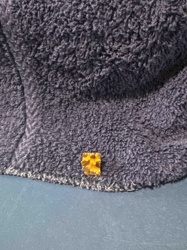
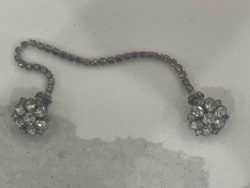
Art Deco Geometric Dress Clip/Brooch

Submitted photo of Art Deco Geometric Dress Clip/Brooch
Photo submitted by the user — not generated by AI

User's notes

Maybe a dress clip 1920-1930

These notes were written by the person who submitted this item. Appraiser.AI has not verified them, and the AI's identification and estimate may rely on them.

AI Estimated Value

Not an official valuation

$150 - $250

AI estimate as of July 30, 2025 · verify with a professional before acting

AI-Generated · Verify before acting

Everything on this page is generated by AI for informational purposes only. AI can make mistakes — the AI may misidentify items or misattribute them (artist, maker, brand, designer, origin, era). This is not an official valuation and should not be used for insurance, sale, tax, estate, legal, or lending purposes — or any decision requiring a certified appraisal. It is not an authoritative claim about any person, brand, or rights holder — do not share or rely on it as a factual statement about a third party. Always consult qualified professionals before making financial decisions.

This analysis also relies on unverified notes provided by the user, which may be incomplete or inaccurate and could affect the result.

Read the full disclaimer

AI Item Analysis

This item appears to be an Art Deco dress clip or brooch, likely dating from the 1920s to 1930s. It features a striking geometric design, typical of the Art Deco period, characterized by strong lines and symmetrical patterns. The central element is a large, faceted clear glass or crystal stone cut into an elongated hexagonal or rhomboidal shape. Within this central stone, there are intricate stepped and straight cuts, creating a mesmerizing internal pattern that resembles an abstract maze or architectural motif. Surrounding the central clear stone is a metal setting, possibly pot metal or silver-tone alloy, which has a darkened, aged patina, suggesting oxidation or intentional antiquing. This metal frame is adorned with numerous small, dark pave-set stones, which appear to be marcasites or possibly small black glass or paste stones, adding sparkle and texture. The edges of the metal frame extend slightly beyond the central stone, forming a decorative, somewhat scalloped or fan-like border, also embellished with these dark stones. The overall condition shows signs of age-appropriate wear, including the darkening of the metal and potential slight dullness or minor chipping on the edges of the clear stone, which is common for vintage paste jewelry. There are no visible maker's marks or signatures in the provided image. The construction suggests a well-made piece for its time, indicative of quality craftsmanship often found in costume jewelry of the period. Its size appears substantial enough to be a prominent accessory.
AI Appraisal Report

Upon examining the images provided, I have assessed this piece to be a well-crafted Art Deco dress clip, likely dating to the 1920s-1930s. The strong geometric design, featuring a large, elaborately faceted central glass stone and a frame of dark, pave-set stones (probably marcasites or black paste), is highly characteristic of the period. The metal appears to be a silver-tone alloy, possibly pot metal, with an age-appropriate patina. The condition is consistent with vintage costume jewelry of this era, showing some darkening to the metal and potential minor wear on the glass, which does not significantly detract from its appeal. The market for authentic Art Deco costume jewelry remains strong, particularly for pieces with bold, architectural designs like this one. Comparable dress clips of similar complexity and condition, made from non-precious materials, typically sell in the range of $125 to $225 at auction and in specialty vintage shops. The large size and intricate faceting of the central stone are key value drivers. The main factor limiting a higher valuation is the use of costume materials (glass and base metal) rather than precious gems and metals. It is important to note the limitations of an appraisal based solely on images. Without a physical examination, I cannot definitively identify the metals or stones, check for maker's marks, assess the integrity of the clip mechanism, or confirm the absence of repairs. A full authentication would require in-person inspection, including gemstone testing to confirm the material is glass and not rock crystal, and metal testing to identify the specific alloy.

Keep exploring

More jewelry/accessory appraisals

Get your items appraised

Instant AI-powered appraisal estimates from a photo

Browse More Appraisals