AI Appraisal Estimate

AI-generated estimates · not official valuations

From the user

What was submitted

Photo and notes provided by the user — not generated by AI

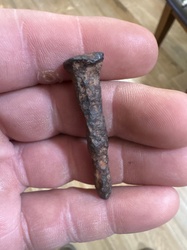
Submitted item photo
Submitted photo · May 22, 2026

User's notes

No additional notes provided.

AI analysis below

AI appraisal

AI analysis & estimate

AI-Generated · Verify before acting

Everything below is generated by AI for informational purposes only. AI can make mistakes — the AI may misidentify items or misattribute them (artist, maker, brand, designer, origin, era). This is not an official valuation and should not be used for insurance, sale, tax, estate, legal, or lending purposes — or any decision requiring a certified appraisal. It is not an authoritative claim about any person, brand, or rights holder — do not share or rely on it as a factual statement about a third party. Always consult qualified professionals before making financial decisions.

Read the full disclaimer

AI Identification

·Not independently authenticated·Verify before acting

Antique Cast Iron Clawfoot Bathtub Foot

Architectural Salvage / Antique Hardware

AI Estimated Value

·Not an official valuation·Verify before acting

$45.00 - $75.00

As of May 22, 2026

AI Item Analysis

·AI can make mistakes·Verify before acting
This is a single, antique architectural element known as a 'clawfoot,' specifically designed as a support leg for a cast iron bathtub. The piece is crafted from heavy cast iron and features a traditional ball-and-claw motif, though the details are currently obscured by extensive environmental wear. The physical construction shows a flared upper mounting bracket that transitions into a narrow ankle, ending in the decorative clawed foot. The surface exhibits a heavy, multi-layered patina consisting of significant oxidation (rust) and remnants of what appears to be white or off-white porcelain enamel or lead-based paint that has chipped and flaked away over decades. Structurally, the iron remains dense, but the surface texture is deeply pitted and rough. This style was highly prevalent in Victorian through early 20th-century interior design (circa 1880-1920). There are no manufacturer's marks visible in the current orientation, though such marks are often found on the interior mounting face. The item shows no signs of modern repair, suggesting it is an authentic architectural salvage piece. The quality is indicative of original industrial casting, intended for substantial weight-bearing utility.
AI Appraisal Report

·AI can make mistakes·Verify before acting
Based on my examination of this architectural salvage piece, I have identified it as a late 19th-century to early 20th-century cast iron ball-and-claw bathtub foot. The item exhibits authentic age indicators, including deep oxidation and remnants of multi-layered lead-based paint/enamel. The structural integrity of the cast iron appears sound despite the heavy surface pitting, which is characteristic of the moisture-rich environments these pieces endured. The market for single clawfeet is primarily driven by restoration needs. While 'matched sets' of four command premium prices ($300-$600), individual feet are valued as replacement parts for original tubs or as decorative bookends and doorstops. The current condition is 'as-found' salvage; while the patina is desirable to some collectors of 'wabi-sabi' aesthetic, a full restoration would require sandblasting and powder coating, which impacts the initial acquisition price. Similar single units in uncleaned condition trade consistently in the $45 to $75 range. Key value factors include the universal appeal of the ball-and-claw motif, which is more desirable than simpler hock or shield designs. However, the lack of visible manufacturer marks (like 'Standard' or 'Crane') slightly limits the value for a restorer seeking an exact match. Limitations to this appraisal: This assessment is based on visual analysis only. Full authentication would require an in-person inspection of the interior mounting bracket for casting marks or serial numbers. I cannot determine if the iron has hairline 'stress fractures' hidden beneath the rust, which would render it unsafe for bearing the weight of a water-filled tub. Scientific testing of the paint would be required to confirm the presence of lead or original porcelain composition.

Get your items appraised

Instant estimates of your treasures with AI-powered appraisals

Browse More Appraisals