AI Appraisal Estimate

AI-generated estimates · not official valuations

From the user

What was submitted

Photo and notes provided by the user — not generated by AI

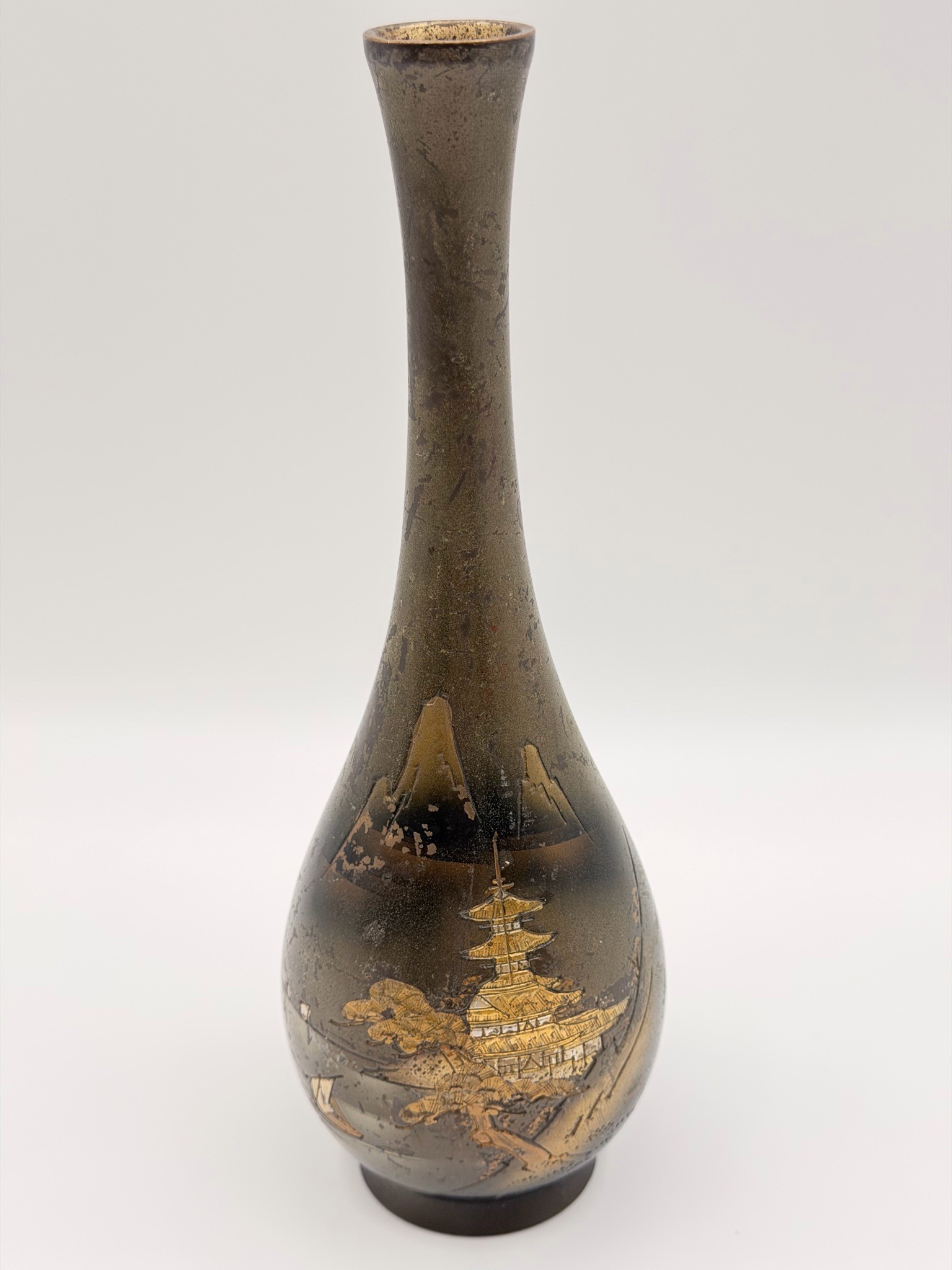
Submitted item photo
Submitted photo · June 4, 2026

User's notes

No additional notes provided.

AI analysis below

AI appraisal

AI analysis & estimate

AI-Generated · Verify before acting

Everything below is generated by AI for informational purposes only. AI can make mistakes — the AI may misidentify items or misattribute them (artist, maker, brand, designer, origin, era). This is not an official valuation and should not be used for insurance, sale, tax, estate, legal, or lending purposes — or any decision requiring a certified appraisal. It is not an authoritative claim about any person, brand, or rights holder — do not share or rely on it as a factual statement about a third party. Always consult qualified professionals before making financial decisions.

Read the full disclaimer

AI Identification

·Not independently authenticated·Verify before acting

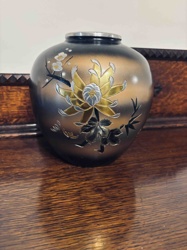
Antique Japanese Komin Metalwork Mixed Metal Vase

Asian Antiques - Japanese Metalwork

AI Estimated Value

·Not an official valuation·Verify before acting

$450 - $700

As of June 4, 2026

AI Item Analysis

·AI can make mistakes·Verify before acting
This is a fine Japanese mixed-metal bud vase, likely dating from the Meiji period (late 19th to early 20th century). The vase features a slender, elongated neck that flares slightly at the rim, transitioning into a bulbous, teardrop-shaped body. It is constructed from a dark patinated metal, possibly bronze or Shibuichi (a silver-copper alloy). The central decoration utilizes the 'Zogan' (inlay) technique, depicting a serene landscape with a multi-tiered pagoda, Mount Fuji in the background, and coastal elements. The inlay involves gold and silver tones, creating a rich contrast against the dark, mottled patina of the base metal. The craftsmanship displays high-level detail in the architectural lines of the pagoda and the textured peaks of the mountain. Regarding condition, the vase shows a heavy, aged patina throughout the surface with some visible pitting, spotting, and minor oxidation consistent with significant age. There is some wear to the gilt highlights, particularly on the mountain peaks and lower foreground. The interior of the neck shows a lighter, yellowish metallic tone, suggesting a core and exterior layer. No specific maker's mark is visible in this view, but the style is characteristic of the Kyoto school of metalwork.
AI Appraisal Report

·AI can make mistakes·Verify before acting
Based on my visual examination of this mixed-metal vase, I have identified it as a Meiji-period (1868–1912) work, likely originating from the Kyoto school. The piece utilizes sophisticated 'Zogan' (inlay) techniques featuring Fuji and pagoda motifs in gold and silver over a patinated bronze or shibuichi body. The stylistic execution is consistent with the export-period aesthetic that flourished during Japan's opening to the West. The condition shows significant signs of age, including mottled oxidation and surface pitting. While some collectors prefer this 'honest' patina, the wear to the gilt highlights on the mountain peaks and the visible spotting on the body do impact the market value negatively compared to pristine examples. The 'Komin' style is historically significant, though without a visible signature, it is valued as an 'attributed to' or 'period-style' piece. Market demand for Meiji metalwork remains steady, particularly for items featuring classic Japanese iconography. However, the 'bud vase' size is more common than larger chargers or incense burners, which limits the top-end valuation. Comparables for unsigned, medium-condition vases of this type typically hammer between $400 and $800 at specialized auctions. Limitations: This appraisal is based solely on high-resolution imagery. A physical inspection is necessary to verify the base metal composition and ensure the inlay is true precious metal rather than paint or plating. To fully authenticate this item, I would require a microscopic examination of the signature area (often hidden on the base) and provenance documentation. Scientific testing, such as X-ray fluorescence (XRF), could definitively identify the alloy composition to confirm it as Shibuichi or Shakudo.

Get your items appraised

Instant estimates of your treasures with AI-powered appraisals

Browse More Appraisals