AI Appraisal Estimate

AI-generated estimates · not official valuations

From the user

What was submitted

Photo and notes provided by the user — not generated by AI

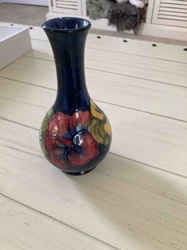
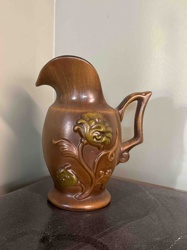
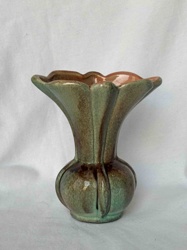
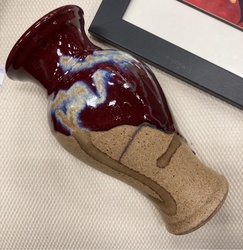
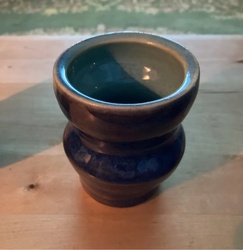
Submitted item photo
Submitted photo · July 10, 2026

User's notes

Bottom has tuny house etched in with chimney smoke line and possble alphabet letters construction

AI analysis below

AI appraisal

AI analysis & estimate

AI-Generated · Verify before acting

Everything below is generated by AI for informational purposes only. AI can make mistakes — the AI may misidentify items or misattribute them (artist, maker, brand, designer, origin, era). This is not an official valuation and should not be used for insurance, sale, tax, estate, legal, or lending purposes — or any decision requiring a certified appraisal. It is not an authoritative claim about any person, brand, or rights holder — do not share or rely on it as a factual statement about a third party. Always consult qualified professionals before making financial decisions.

Note

This analysis also relies on unverified notes provided by the user, which may be incomplete or inaccurate and could affect the result.

Read the full disclaimer

AI Identification

·Not independently authenticated·Verify before acting

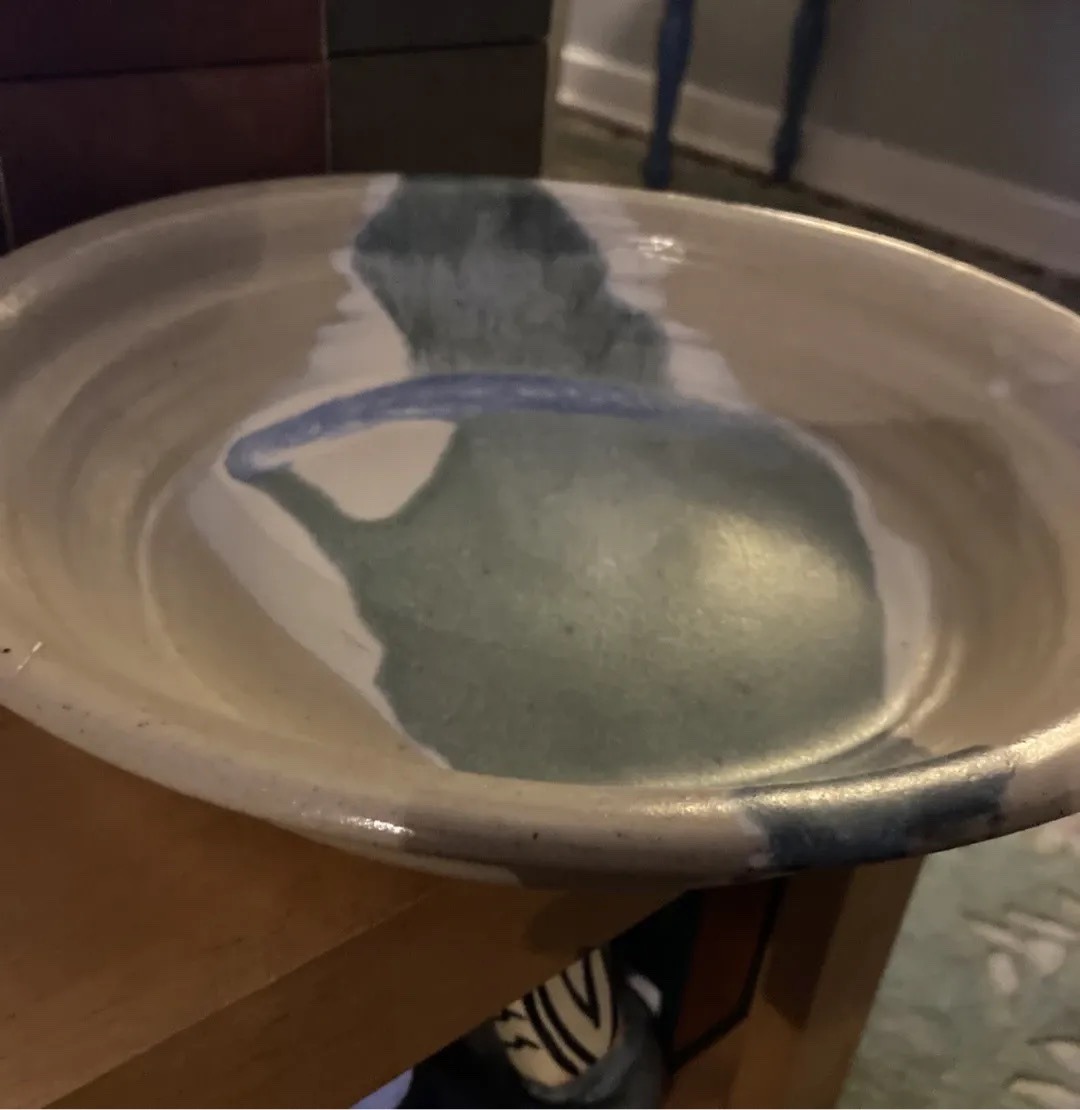
Studio pottery charger in the Japanese Mingei style

Art Pottery

AI Estimated Value

·Not an official valuation·Verify before acting

$400 - $850

As of July 10, 2026

AI Item Analysis

·AI can make mistakes·Verify before acting
This item is a wheel-thrown ceramic charger or shallow bowl, appearing to be crafted from stoneware. The piece features a wide, flat rim and a shallow interior well, covered in a glossy cream-colored glaze with abstract decorative elements in cobalt blue and sage green. These glaze applications are reminiscent of mid-20th-century studio pottery, specifically consistent with the aesthetic of the Japanese Mingei movement or Western potters influenced by Shoji Hamada and Bernard Leach. The internal decoration shows fluid, painterly strokes that suggest an abstract landscape or vessel shape. The owner reports that the bottom bears an etched mark described as a 'tiny house with chimney smoke' and potential alphabetic characters; however, this mark is not visible in the provided image and remains unverified. The craftmanship shows subtle throwing rings and a non-uniform glaze application, indicative of a handmade studio production rather than mass manufacture. Potential age is estimated to be late 20th century based on the glaze style and form. Surface condition appears good with no visible chips or significant crazing in the provided angle, though the underside and foot ring are not visible for a complete structural assessment.
AI Appraisal Report

·AI can make mistakes·Verify before acting
Based on my examination of the image provided, this stoneware charger exhibits stylistic characteristics associated with the mid-to-late 20th-century Studio Pottery movement, particularly the Mingei-influenced aesthetic popularized by Shoji Hamada and Bernard Leach. The fluid application of cobalt and sage glazes suggests a skilled hand consistent with this tradition. Per user submission, the piece is reported to bear an etched mark of a 'tiny house with chimney smoke' on the underside. I cannot verify this mark from the provided image, nor can I confirm the structural integrity of the foot ring or the presence of any repairs without a physical inspection. This value estimate is a hypothesis based on the assumption that the mark is consistent with a recognized studio potter of that era. Studio pottery of this quality attracts collectors interested in the functional art movement, with the market value heavily weighted on the specific identity associated with the maker's mark. If the piece is found to be by a known master of the style, the value could exceed the current range; conversely, if the item is an unattributed contemporary piece 'in the style of' Mingei, the market value would likely decrease to $75-$150. To further refine this estimate and address authenticity, I would need an in-person examination, clear photography of the underside marking, and any available provenance documentation. A professional hallmark verification is recommended to ensure the mark is not a later imitation, as the value relies on the piece being a period production from a specific studio rather than a mass-produced replica. The current market for handmade stoneware remains stable for identified high-quality studio works, though condition remains a primary factor in final realization.

Related Tags

Explore similar items and categories

Get your items appraised

Instant estimates of your treasures with AI-powered appraisals

Browse More Appraisals