AI identification & appraisal estimate

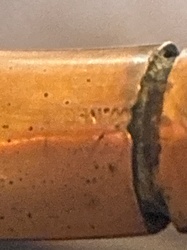
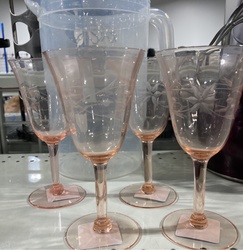
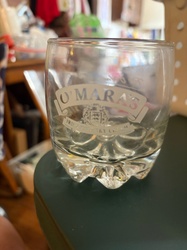
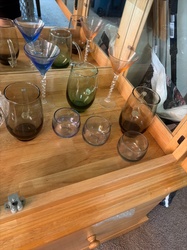
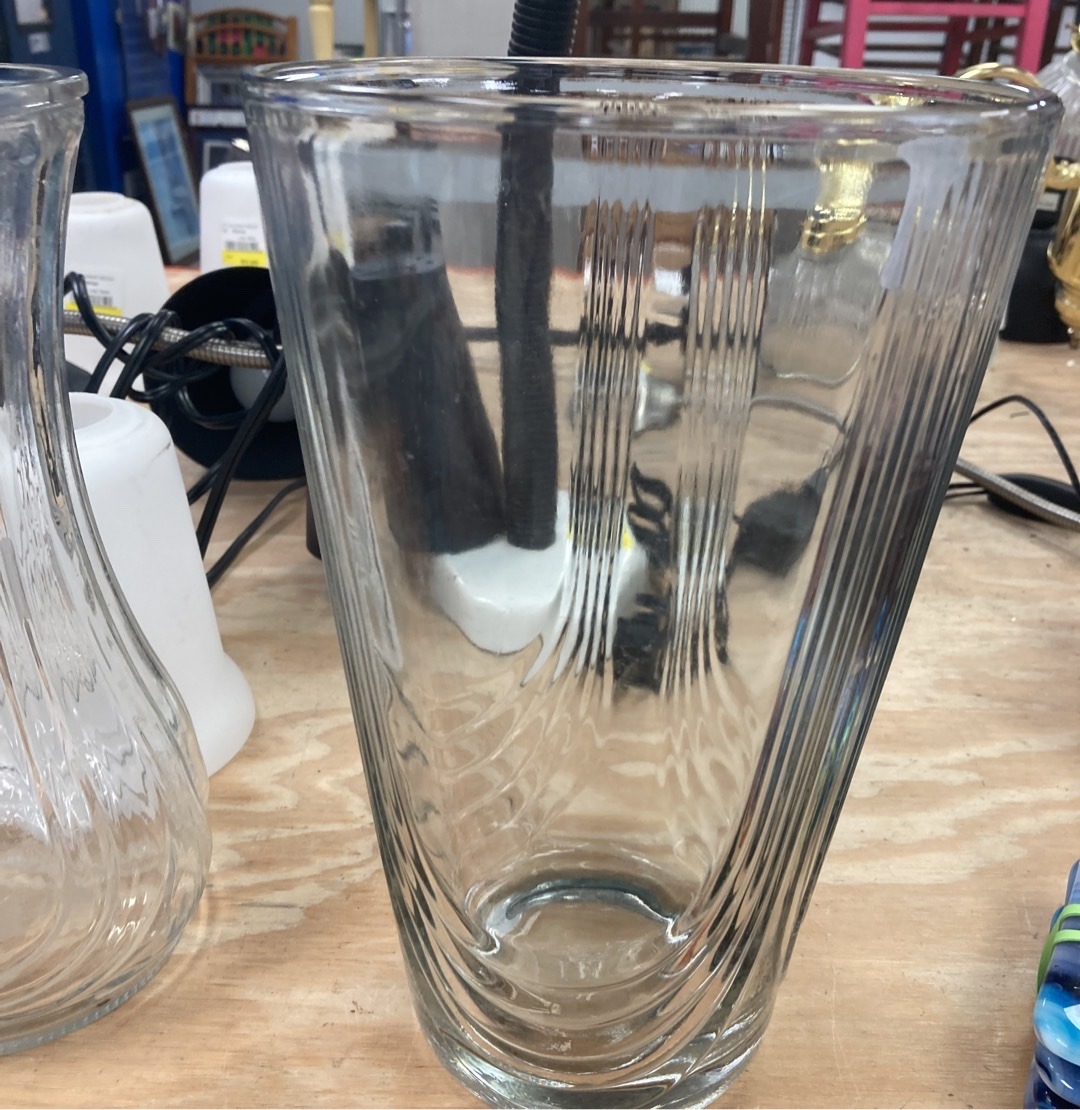
Molded clear glass vase, attributed to Hoosier Glass

Submitted photo of Molded clear glass vase, attributed to Hoosier Glass
Photo submitted by the user — not generated by AI

User's notes

Hoosier Glass in glass vase bottom

These notes were written by the person who submitted this item. Appraiser.AI has not verified them, and the AI's identification and estimate may rely on them.

AI Estimated Value

Not an official valuation

$25-50

AI estimate as of August 16, 2026 · verify with a professional before acting

AI-Generated · Verify before acting

Everything on this page is generated by AI for informational purposes only. AI can make mistakes — the AI may misidentify items or misattribute them (artist, maker, brand, designer, origin, era). This is not an official valuation and should not be used for insurance, sale, tax, estate, legal, or lending purposes — or any decision requiring a certified appraisal. It is not an authoritative claim about any person, brand, or rights holder — do not share or rely on it as a factual statement about a third party. Always consult qualified professionals before making financial decisions.

This analysis also relies on unverified notes provided by the user, which may be incomplete or inaccurate and could affect the result.

Read the full disclaimer

AI Item Analysis

This is a freestanding, tapered cylindrical vase constructed from clear pressed or molded glass, displaying an overall transparent quality with typical light refractive characteristics. The vessel features a distinct decorative pattern consisting of vertical ribbed flutes near the upper rim that transition downward into a sweeping, fan-like or draped swirled motif along the body, culminating in a heavy, flat circular base. The glass appears clear and colorless, though light distortion and minor surface imperfections are visible upon close inspection, consistent with mass-produced mid-century manufacturing methods. In terms of condition, the vase shows minor surface wear including slight scuffing and superficial scratches primarily located around the base, but no major chips, cracks, or structural damage are immediately apparent from the visual evidence. The owner provides context that the piece bears a marking on the bottom reading 'Hoosier Glass', though this user-supplied attribution remains unverified by physical inspection. Without a clear, legible maker's mark visible directly in the provided photograph, the identification rests primarily on the characteristic form and pressed glass techniques often associated with mid-century American glassware production. The piece is stylistically consistent with mid-20th-century decorative glassware, displaying functional yet ornamental qualities typical of utilitarian home decor items from that era. Craftsmanship indicators include mold seams typical of high-volume pressed glass production rather than hand-blown art glass. The attribution to Hoosier Glass is noted as unverified context provided by the owner.

AI Appraisal Report

Based on the visual evidence in the provided photograph, I am evaluating this freestanding, tapered cylindrical vase featuring vertical ribbed flutes transitioning into a draped swirled motif. Based on what I can see, the piece displays mold seams characteristic of mass-produced mid-century pressed glassware, but I can't verify the material composition, exact age, or manufacturing origin from a photo alone. Per user submission, the piece bears a marking on the bottom reading 'Hoosier Glass', though this attribution remains unverified by physical inspection. My value estimate of $25 to $50 assumes the owner's claim of Hoosier Glass attribution is correct, reflecting typical secondary market behavior and demand for utilitarian mid-century American glassware of this type. The vase shows minor surface wear including slight scuffing and superficial scratches around the base, which has a modest impact on value. If physical inspection reveals the piece is an unattributed mid-century piece, a reproduction, or made 'in the style of' rather than by the suggested maker, the value would likely decrease to the $10-20 range. To confirm authenticity and the validity of the base mark, one would need a physical inspection by a qualified expert, alongside hallmark verification to rule out later reproductions.

Keep exploring

More glassware appraisals

Get your items appraised

Instant AI-powered appraisal estimates from a photo

Browse More Appraisals