AI Appraisal Estimate

AI-generated estimates · not official valuations

From the user

What was submitted

Photo and notes provided by the user — not generated by AI

Submitted item photo
Submitted photo · June 27, 2026

User's notes

No additional notes provided.

AI analysis below

AI appraisal

AI analysis & estimate

AI-Generated · Verify before acting

Everything below is generated by AI for informational purposes only. AI can make mistakes — the AI may misidentify items or misattribute them (artist, maker, brand, designer, origin, era). This is not an official valuation and should not be used for insurance, sale, tax, estate, legal, or lending purposes — or any decision requiring a certified appraisal. It is not an authoritative claim about any person, brand, or rights holder — do not share or rely on it as a factual statement about a third party. Always consult qualified professionals before making financial decisions.

Read the full disclaimer

AI Identification

·Not independently authenticated·Verify before acting

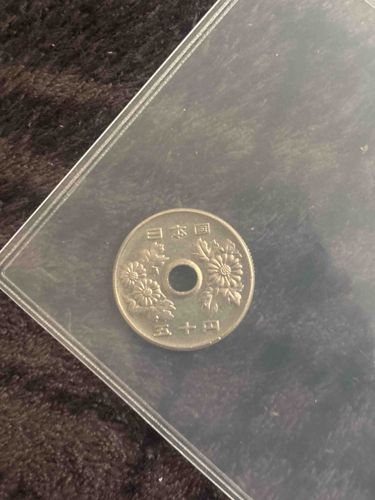
Japanese 50-Yen Cupro-Nickel Coin

Numismatics / Currency

AI Estimated Value

·Not an official valuation·Verify before acting

$0.35 - $1.00

As of June 27, 2026

AI Item Analysis

·AI can make mistakes·Verify before acting
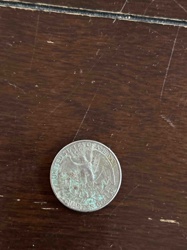
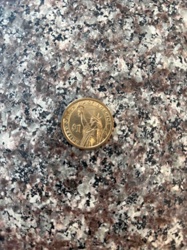
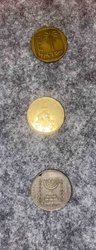
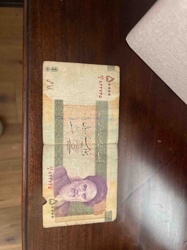
This item is a Japanese 50-yen circulation coin, characterized by its central hole (holed design) and distinctive floral imagery. The coin is composed of a cupro-nickel alloy (75% copper, 25% nickel), exhibiting a dull silver-colored appearance. On the side shown, the coin features the national emblem of Japan, specifically the chrysanthemum, represented by three blossoms and leaves flanking the central aperture. The upper portion bears the Kanji characters '日本国' (Nippon-koku), meaning the State of Japan, while the lower portion displays the denomination '五十円' (Gojū-en). The coin measures 21mm in diameter with a weight of approximately 4 grams. In terms of condition, the specimen shows visible signs of circulation including minor surface scratches, edge nicks, and a noticeable darkened patina or tarnish consistent with age and handling. This specific design was first introduced in 1967 (Showa 42) and remains the current design for the denomination. The craftsmanship is highly standardized, characteristic of Japanese Mint production, featuring a reeded edge and precise die strikes despite the wear. The central hole is a unique functional aspect designed to assist the visually impaired in distinguishing denominations and for efficient machine handling.
AI Appraisal Report

·AI can make mistakes·Verify before acting
I have conducted a visual examination of the Japanese 50-Yen cupro-nickel coin described. The specimen follows the standard design specifications introduced in 1967 (Showa 42) and shows characteristics consistent with authentic Japanese Mint production, including the precise 21mm diameter formatting and reeded edge. The condition is assessed as 'Circulated' (Fine to Very Fine grade), exhibiting expected contact marks, minor edge dings, and surface oxidation. This tarnish, while detracting from the original luster, is consistent with years of currency circulation. From a numismatic perspective, this is a common 'pocket change' coin. With billions produced and currently remaining in legal tender, it possesses no significant rarity. The market value is primarily dictated by its face value (currently approximately $0.34 USD based on exchange rates). Collector interest is limited to specimens in 'Uncirculated' or 'Proof' condition, or those featuring rare minting errors. Comparables for circulated examples consistently sell in bulk or as low-value novelties. Authentication via digital image has inherent limitations. While the die strikes and Kanji characters appear correct, I cannot verify the exact metallurgical composition (75/25 Cupro-Nickel) or precise weight (4.0g) required to rule out high-quality counterfeits used in vending machine fraud. A full authentication would require a physical inspection under 10x magnification to check for casting seams and a digital scale measurement to four decimal places. No formal provenance is required for an item of this type, as it is a standardized mass-produced commodity.

Get your items appraised

Instant estimates of your treasures with AI-powered appraisals

Browse More Appraisals