AI Appraisal Estimate

AI-generated estimates · not official valuations

From the user

What was submitted

Photo and notes provided by the user — not generated by AI

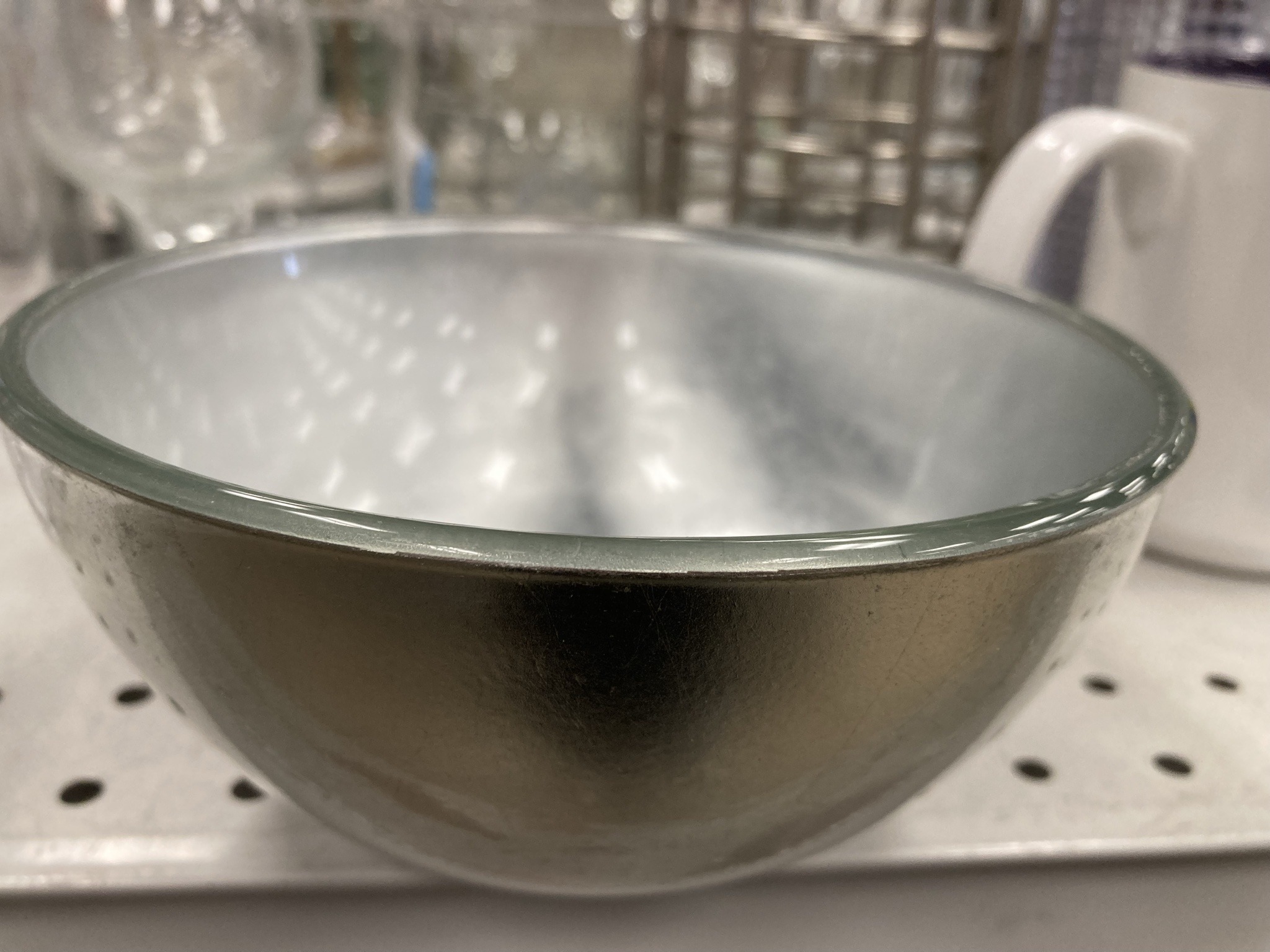
Submitted item photo
Submitted photo · June 10, 2026

User's notes

No additional notes provided.

AI analysis below

AI appraisal

AI analysis & estimate

AI-Generated · Verify before acting

Everything below is generated by AI for informational purposes only. AI can make mistakes — the AI may misidentify items or misattribute them (artist, maker, brand, designer, origin, era). This is not an official valuation and should not be used for insurance, sale, tax, estate, legal, or lending purposes — or any decision requiring a certified appraisal. It is not an authoritative claim about any person, brand, or rights holder — do not share or rely on it as a factual statement about a third party. Always consult qualified professionals before making financial decisions.

Read the full disclaimer

AI Identification

·Not independently authenticated·Verify before acting

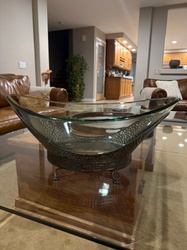
Silver-Toned Mercury Glass Decorative Bowl

Decorative Glassware / Home Decor

AI Estimated Value

·Not an official valuation·Verify before acting

$25.00 - $45.00

As of June 10, 2026

AI Item Analysis

·AI can make mistakes·Verify before acting
This item is a contemporary decorative glass bowl, designed to mimic the appearance of vintage mercury glass or silvered glass. The object features a simple, round, hemispherical form with a smooth, unadorned rim. It is constructed from thick clear glass with an internal metallic silver coating or foil application that creates a reflective, mirrored effect. The exterior finish appears to have a semi-matte or satin luster rather than a high-polish chrome, suggesting a modern manufacturing technique. Physically, the bowl has a substantial weight with a diameter approximately between 6 to 8 inches. The interior of the bowl shows a frosted or pearlescent white appearance, which is common in double-walled or coated decorative glassware. Regarding condition, there are visible surface scratches and light abrasions on the metallic finish, particularly horizontal scuffs near the upper rim. No significant chips or cracks are immediately apparent in the glass substrate. There are no visible maker's marks or signatures on the upper portion of the vessel. The style is transitional, blending elements of mid-century modern minimalism with traditional glass-blowing aesthetics. This piece is likely a mass-produced home decor item from the late 20th to early 21st century, designed for use as a catch-all, centerpiece, or decorative accent rather than for food service, given the nature of the internal metallic coating.
AI Appraisal Report

·AI can make mistakes·Verify before acting
I have conducted a visual examination of the Silver-Toned Mercury Glass Decorative Bowl. This contemporary piece mimics the 'silvered glass' techniques of the 19th century but utilizes modern coating processes. The bowl is of substantial weight and exhibits a transitional aesthetic characterized by its minimalist hemispherical form. My inspection reveals notable condition issues, specifically horizontal scuffs and surface abrasions near the rim, which detract from its decorative appeal. The lack of a maker's mark suggests this is a mass-produced item intended for the retail decorative market rather than a studio glass piece. The market for contemporary mercury glass is saturated, with similar items frequently sold at retailers like West Elm, Pottery Barn, or HomeGoods. Comparables for unsigned, contemporary glass bowls of this size and condition typically realize prices between $20 and $50. The lack of rarity and the presence of visible wear significantly limit its secondary market value. Limitations: This appraisal is based solely on digital imagery. While the item presents as contemporary glass, I cannot definitively determine the chemical composition of the internal metallic coating or the specific manufacturer without physical inspection. To provide a full authentication, I would need to examine the base for wear patterns or acid-etched signatures and verify the glass's origin. Scientific testing would be required to rule out the presence of heavy metals if the item were intended for food use, though its design suggests a strictly decorative function. Provenance documentation or a retailer's receipt would clarify its exact age and origin.

Get your items appraised

Instant estimates of your treasures with AI-powered appraisals

Browse More Appraisals