AI Appraisal Estimate

AI-generated estimates · not official valuations

From the user

What was submitted

Photo and notes provided by the user — not generated by AI

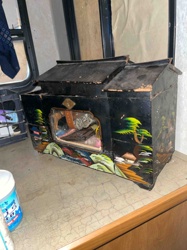
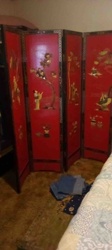
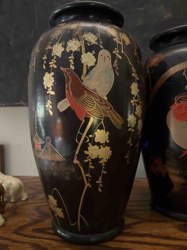
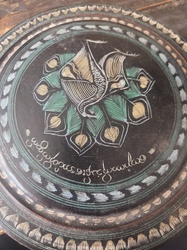
Submitted item photo
Submitted photo · June 4, 2026

User's notes

No additional notes provided.

AI analysis below

AI appraisal

AI analysis & estimate

AI-Generated · Verify before acting

Everything below is generated by AI for informational purposes only. AI can make mistakes — the AI may misidentify items or misattribute them (artist, maker, brand, designer, origin, era). This is not an official valuation and should not be used for insurance, sale, tax, estate, legal, or lending purposes — or any decision requiring a certified appraisal. It is not an authoritative claim about any person, brand, or rights holder — do not share or rely on it as a factual statement about a third party. Always consult qualified professionals before making financial decisions.

Read the full disclaimer

AI Identification

·Not independently authenticated·Verify before acting

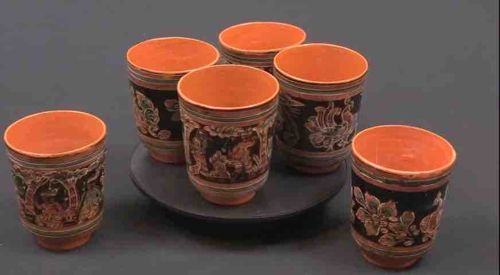
Hand-Painted Burmese Red Cinnabar Lacquerware Cylindrical Tumblers

Antique Lacquerware

AI Estimated Value

·Not an official valuation·Verify before acting

$100 - $200

As of June 4, 2026

AI Item Analysis

·AI can make mistakes·Verify before acting
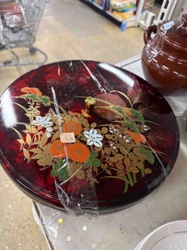
This is a set of six hand-crafted Burmese (Myanmar) lacquerware tumblers, likely dating from the mid-20th century. Each cylindrical vessel features a traditional cinnabar-red interior and base, providing a striking contrast to the exterior's dark, charcoal-black background. The decorative program is achieved through the 'yun' technique, where intricate patterns are incised into the lacquer surface and filled with pigments. The motifs include detailed floral scrolls, foliage, and what appear to be traditional figural or architectural scenes set within framed medallions. These tumblers are constructed from a lightweight but durable core, traditionally woven bamboo or horsehair, layered with numerous coats of natural lacquer (thitsi). The craftsmanship is evident in the fine line work and the uniform application of the resin. Regarding condition, the set appears well-preserved with minor surface abrasions and some typical dulling of the finish consistent with age. There are no major cracks or losses visible, though the natural luster of the cinnabar varies slightly between pieces, indicating their handmade origin. These pieces represent a significant folk art tradition from the Bagan region.
AI Appraisal Report

·AI can make mistakes·Verify before acting
Based on my visual examination of these six Burmese lacquerware tumblers, they appear to be authentic examples of the 'yun' technique, likely originating from the Bagan region during the mid-to-late 20th century. The craftsmanship displays the characteristic intricacy of Burmese lacquer, with the traditional burnt orange cinnabar interiors contrasting nicely against the incised black exteriors. The decorative motifs—featuring minute floral scrolling and framed medallions—are executed with a steady hand, indicative of skilled artisan work rather than mass industrial production. The condition appears commensurate with age; I note some minor surface abrasions and a slight dulling of the finish, which is expected for organic lacquer (thitsi) over a bamboo or horsehair substrate. While these pieces are charming examples of Southeast Asian folk art, the market for mid-century Burmese lacquer is currently soft, often categorized as decorative art rather than high-end collectibles unless the pieces are significantly older (19th century or earlier) or signed by masters like Saya Saung. Sets like this are relatively common in estate markets. A crucial limitation of this appraisal is the inability to physically handle the tumblers. To confirm the specific age and substrate quality, I would need to test the weight (horsehair is lighter and more flexible than bamboo), inspect the scent (old lacquer has a distinct smell), and examine the base for any specific workshop marks under magnification. Without provenance linking them to a specific collector or older period, they are valued primarily as decorative functional objects.

Get your items appraised

Instant estimates of your treasures with AI-powered appraisals

Browse More Appraisals