AI Appraisal Estimate

AI-generated estimates · not official valuations

From the user

What was submitted

Photo and notes provided by the user — not generated by AI

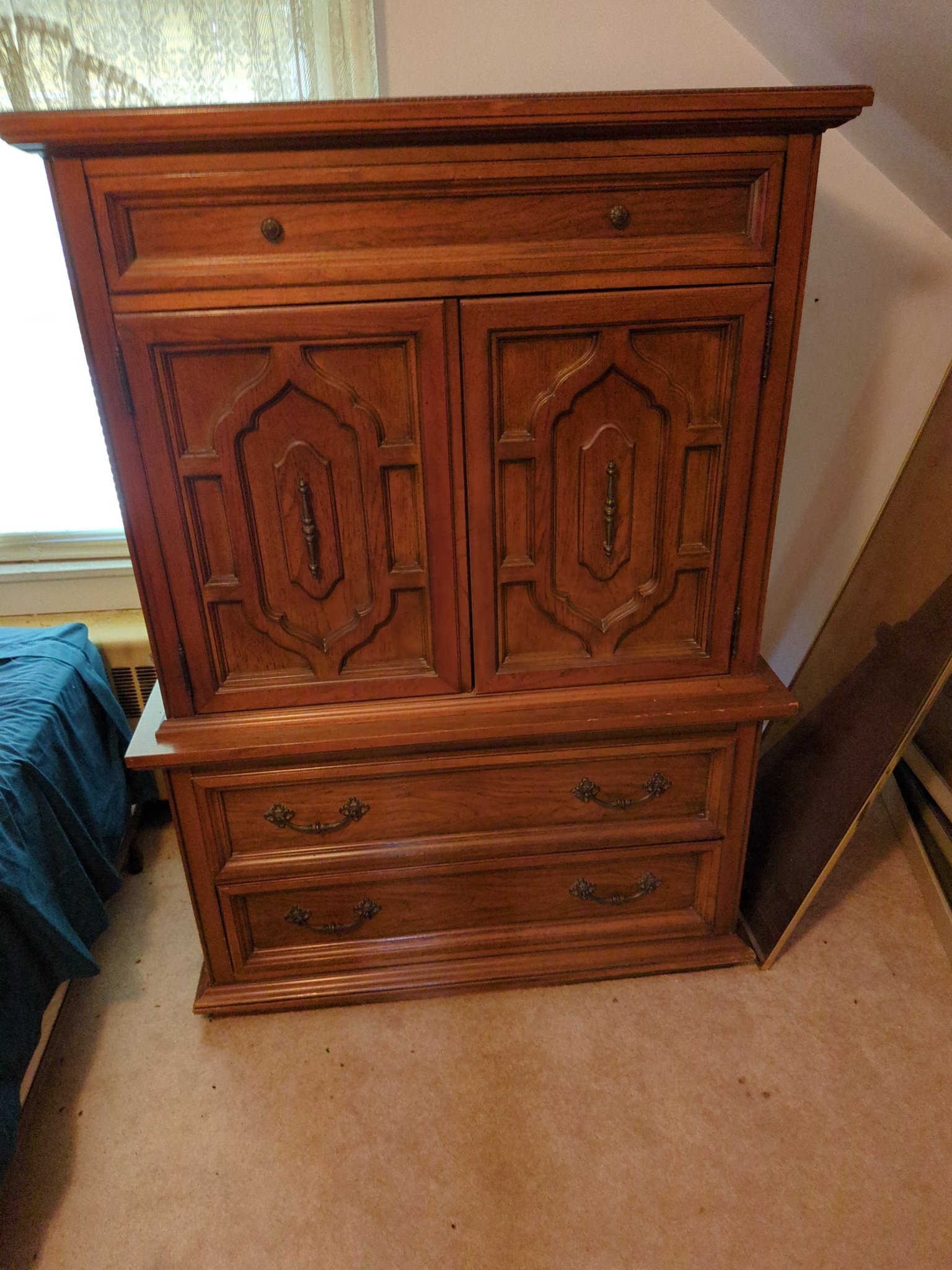
Submitted item photo
Submitted photo · July 3, 2026

User's notes

No additional notes provided.

AI analysis below

AI appraisal

AI analysis & estimate

AI-Generated · Verify before acting

Everything below is generated by AI for informational purposes only. AI can make mistakes — the AI may misidentify items or misattribute them (artist, maker, brand, designer, origin, era). This is not an official valuation and should not be used for insurance, sale, tax, estate, legal, or lending purposes — or any decision requiring a certified appraisal. It is not an authoritative claim about any person, brand, or rights holder — do not share or rely on it as a factual statement about a third party. Always consult qualified professionals before making financial decisions.

Read the full disclaimer

AI Identification

·Not independently authenticated·Verify before acting

Mid-to-late 20th-century wood armoire in the Mediterranean Revival style

Furniture

AI Estimated Value

·Not an official valuation·Verify before acting

$400 - $700

As of July 3, 2026

AI Item Analysis

·AI can make mistakes·Verify before acting
This piece appears to be a two-piece wooden storage unit or armoire, stylistically consistent with the Mediterranean or Spanish Revival trends popular in the mid-to-late 20th century (approximately 1960s-1970s). The upper section features a wide top drawer above two cabinet doors decorated with intricate recessed quatrefoil or moorish-inspired paneling and vertical patinated metal pulls. The lower section consists of two deep drawers with ornate bail-style hardware. The construction shows a warm-toned wood veneer, possibly oak or maple, with a medium-gloss finish. Based on the visible scale, it is a substantial piece with a tiered waist and a plinth base. Some visible condition issues include minor surface scuffing and finish wear along the mid-deck edges and lower base, which is expected for vintage furniture. There are no visible maker's marks, stamps, or labels in the photo; therefore, this is identified as a mass-produced piece in the manner of high-volume American manufacturers such as Drexel or Thomasville, subject to in-person inspection of the interior drawers for a manufacturer's mark. The ornate molding and heavy hardware were hallmark characteristics of this era's 'Mediterranean' aesthetic.
AI Appraisal Report

·AI can make mistakes·Verify before acting
I have examined the provided image of a mid-to-late 20th-century armoire in the Mediterranean Revival style. Based on what I can see, the piece appears consistent with American mass-market manufacturing from the 1960s or 1970s. The value estimate is predicated on the hypothesis that this is a well-preserved example of high-volume furniture, possibly associated with manufacturers like Drexel or Thomasville, though I cannot verify this from a photo alone. The basis for this valuation is the substantial scale and the intricate quatrefoil paneling, which remains popular for decorators seeking a vintage 'Bohemian' or 'Old World' aesthetic. However, I can't confirm the materials from the image; while it appears to be a wood veneer, a physical inspection is required to determine if the secondary woods and interior joinery match the quality of premium mid-century brands. Condition issues, including visible scuffing at the base and mid-deck, have been factored into the lower end of the range. General market demand for Mediterranean Revival furniture is currently stable but lower than that for sleek 'Mid-Century Modern' teak pieces. To confirm the identification and potential brand value, an in-person examination of the interior drawer sides for a burned-in maker’s mark would be necessary. If a physical inspection reveals that the item is a lower-quality reproduction using synthetic materials rather than wood veneers, the value would likely decrease to the $150 - $250 range. Conversely, documented provenance or a confirmed high-end maker’s mark could shift the value toward the upper end of the estimate. This appraisal assumes the piece is an unauthenticated vintage item in the style described.

Get your items appraised

Instant estimates of your treasures with AI-powered appraisals

Browse More Appraisals