AI Appraisal Estimate

AI-generated estimates · not official valuations

From the user

What was submitted

Photo and notes provided by the user — not generated by AI

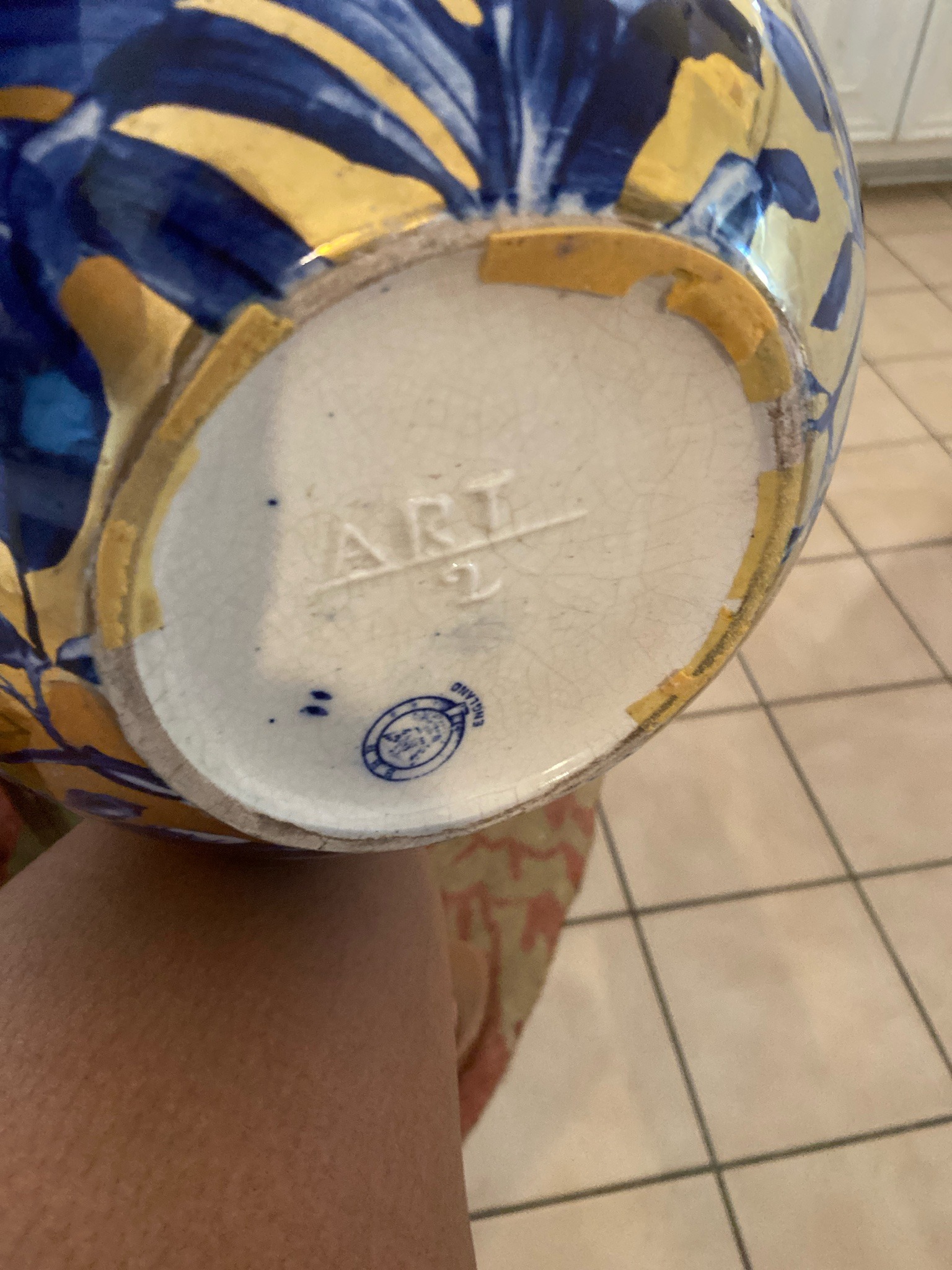
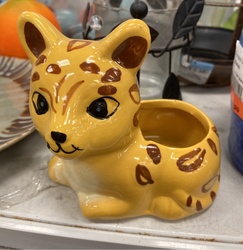
Submitted item photo
Submitted photo · May 18, 2026

User's notes

Planter/bowl art2 made in England

AI analysis below

AI appraisal

AI analysis & estimate

AI-Generated · Verify before acting

Everything below is generated by AI for informational purposes only. AI can make mistakes — the AI may misidentify items or misattribute them (artist, maker, brand, designer, origin, era). This is not an official valuation and should not be used for insurance, sale, tax, estate, legal, or lending purposes — or any decision requiring a certified appraisal. It is not an authoritative claim about any person, brand, or rights holder — do not share or rely on it as a factual statement about a third party. Always consult qualified professionals before making financial decisions.

Note

This analysis also relies on unverified notes provided by the user, which may be incomplete or inaccurate and could affect the result.

Read the full disclaimer

AI Identification

·Not independently authenticated·Verify before acting

Glazed Ceramics with Gilt Decoration in the Style of Royal Winton or Grimwades

Ceramic Decorative Arts

AI Estimated Value

·Not an official valuation·Verify before acting

$45–$85

As of May 18, 2026

AI Item Analysis

·AI can make mistakes·Verify before acting
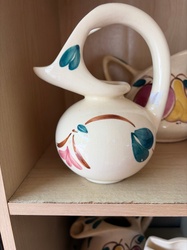
This ceramic item, identified by the owner as a 'Planter/bowl', features a vibrant blue, yellow, and gold-toned decorative glaze. The undersurface reveals a white earthenware or porcelain body with visible fine crazing throughout the glaze, which is a common aging characteristic in ceramics. The base is marked with an incised or impressed 'ART' over the number '2', along with a circular blue ink stamp containing the word 'ENGLAND'. This circular mark is stylistically consistent with the backstamps used by Grimwades (Royal Winton) during the early-to-mid 20th century, though such marks require physical authentication to distinguish from reproductions. The exterior decoration appears to be a transfer-ware or hand-painted floral motif with heavy gilt sponging or accents. Condition-wise, there is significant loss and wear to the yellow/gold finish near the foot rim, where the glaze has flaked away to reveal the white substrate. The owner identifies this as an ART 2 piece made in England; while consistent with the visible marks, all maker attributions remain hypothetical based on photographic evidence alone. The presence of the 'ENGLAND' stamp suggests a likely manufacture date after 1891 to comply with McKinley Tariff Act requirements, possibly late 19th to early 20th century.
AI Appraisal Report

·AI can make mistakes·Verify before acting
Based on the provided images, I have examined a ceramic planter or bowl featuring a vibrant blue and yellow glaze with heavy gilt sponging. Per the user submission, this is identified as an ART 2 piece made in England. I can see a circular ink stamp and incised marks on the base which appear consistent with markings used by Grimwades (Royal Winton) in the early-to-mid 20th century. However, I cannot verify the authenticity of these marks from a photograph alone, as such stamps can be replicated. The item displays significant crazing and notable loss of the gilt finish near the foot rim, where the glaze has flaked to reveal the white earthenware body. My estimate of $45–$85 is based on the assumption that this is a period piece as suggest by the owner. This value reflects the current market for mid-tier English decorative ceramics, where vibrant luster or 'Chintz' style patterns remain collectable but are sensitive to condition issues like the flaking observed here. If this item were to be confirmed as a later reproduction or a contemporary 'in the style of' piece, the value would likely drop below $20. To confirm the origin and age, a physical inspection by a ceramics specialist would be required to examine the weight, the specific nature of the crazing, and the chemical composition of the glaze. Evidence of provenance or a matching pattern name from historical Royal Winton catalogs would also be necessary to solidify this hypothesis. Until such verification occurs, this remains a hypothetical attribution.

Get your items appraised

Instant estimates of your treasures with AI-powered appraisals

Browse More Appraisals