AI Appraisal Estimate

AI-generated estimates · not official valuations

From the user

What was submitted

Photo and notes provided by the user — not generated by AI

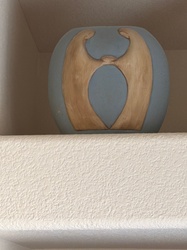
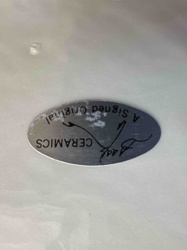
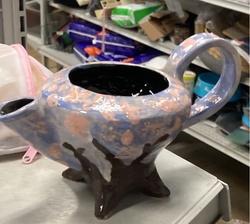
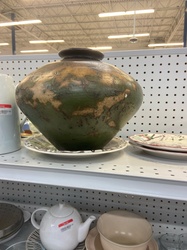
Submitted item photo
Submitted photo · June 10, 2026

User's notes

No additional notes provided.

AI analysis below

AI appraisal

AI analysis & estimate

AI-Generated · Verify before acting

Everything below is generated by AI for informational purposes only. AI can make mistakes — the AI may misidentify items or misattribute them (artist, maker, brand, designer, origin, era). This is not an official valuation and should not be used for insurance, sale, tax, estate, legal, or lending purposes — or any decision requiring a certified appraisal. It is not an authoritative claim about any person, brand, or rights holder — do not share or rely on it as a factual statement about a third party. Always consult qualified professionals before making financial decisions.

Read the full disclaimer

AI Identification

·Not independently authenticated·Verify before acting

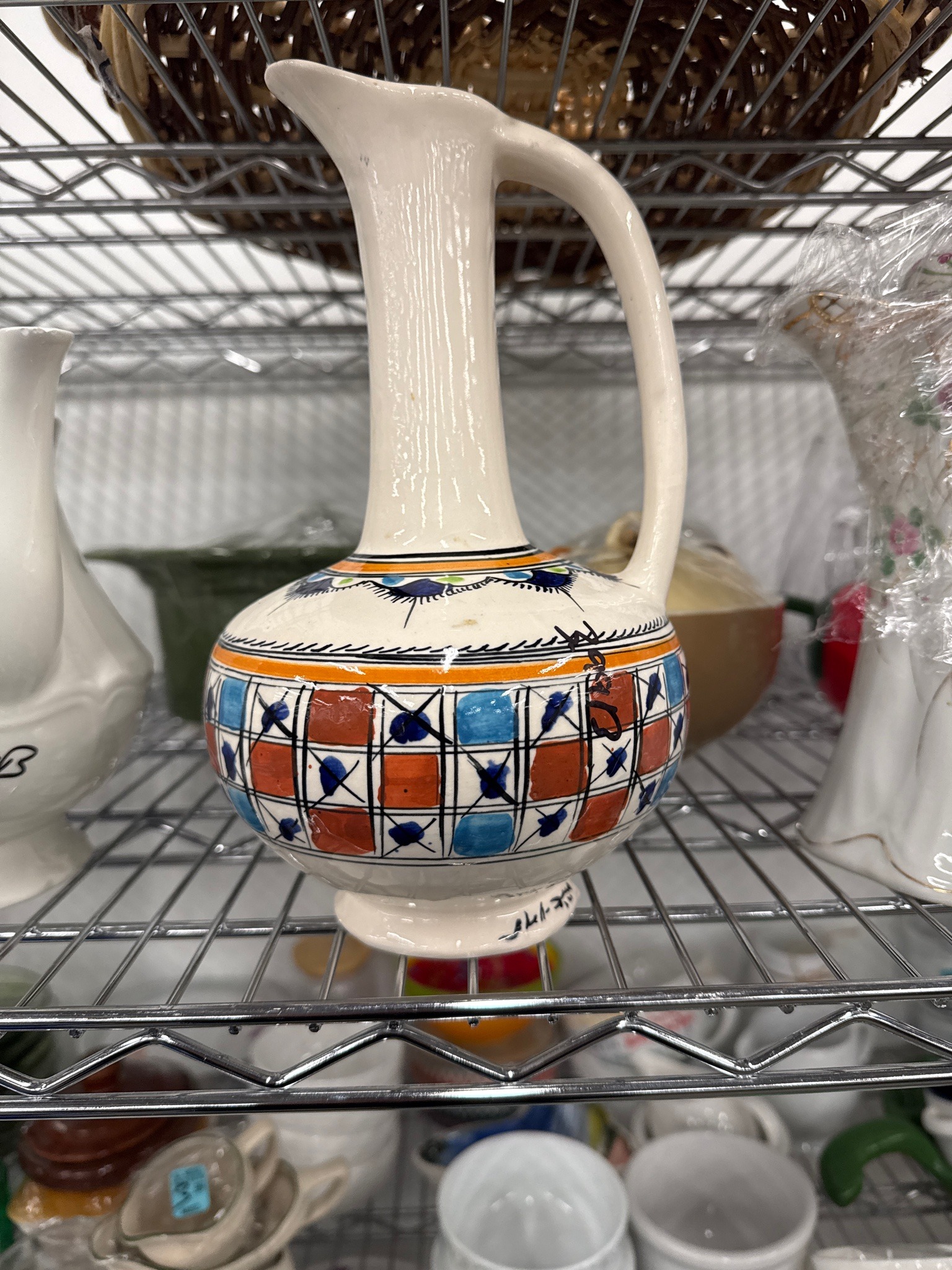
Mid-Century Hand-Painted Ceramic Pitcher with Geometric Motif

Art Pottery and Decorative Ceramics

AI Estimated Value

·Not an official valuation·Verify before acting

$125 - $225

As of June 10, 2026

AI Item Analysis

·AI can make mistakes·Verify before acting
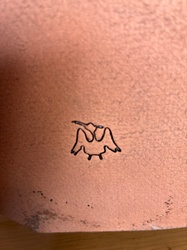
This item is a decorative hand-painted ceramic pitcher or ewer, likely of Mediterranean or North African origin (potentially Hebron or Safi pottery styles), characterized by a long, slender neck and a squat, bulbous body resting on a narrow flared ring foot. The vessel features a cream-colored glazed ground upon which a complex geometric pattern has been applied in orange, blue, and black underglaze. The central frieze consists of a checkered grid containing solid orange and blue squares, accented by black cross-hatching and small blue leaf-like motifs. Above the main body, a horizontal band of orange is framed by black linear detailing and a repeating eyelash or fan-like pattern in deep blue and green. The handle is a simple curved strap design connecting the lip to the shoulder of the vessel. Notable features include hand-painted markings or a signature near the base and on the shoulder in a dark pigment, which appear to be artist initials or regional script. The craftsmanship shows slight irregularities in the glaze and paint application typical of handmade folk art pottery. Regarding condition, there are visible surface scuffs and areas of minor glaze loss on the bulbous body, along with light shelf wear on the foot. The overall style and material suggest a mid-20th-century production date.
AI Appraisal Report

·AI can make mistakes·Verify before acting
I have carefully examined the provided images of this hand-painted ceramic pitcher. My assessment identifies it as a 20th-century decorative ewer, most likely originating from a North African pottery center such as Safi, Morocco, given the specific underglaze palette and geometric motifs. The piece exhibits characteristic folk-art craftsmanship, including minor glaze skips and a hand-applied strap handle. The presence of markings near the base suggests a workshop origin rather than mass commercial production, adding a degree of artisanal value. In terms of condition, notice the visible scuffs and minor glaze losses on the widest part of the body; while these are consistent with age, they slightly decrease the value compared to a 'mint' specimen. The market for mid-century Mediterranean folk pottery remains stable but modest. Comparables for signed Safi or similar Hebron-style vessels typically fetch between $100 and $250 at auction or through vintage galleries. High demand is currently driven by the 'Global Nomad' and 'Mid-Century Modern' interior design trends rather than high-end ceramic collecting. A significant limitation of this appraisal is the inability to physically inspect for structural repairs, hairline cracks hidden by the glaze, or the tactile 'ping' of the clay body which confirms internal integrity. From images alone, I cannot definitively verify the chemical composition of the glaze or the age of the clay. For a full authentication and higher-tier valuation, I would require an in-person examination to check for restorations under UV light and a review of any available provenance documentation or purchase history to confirm the specific workshop or artist.

Get your items appraised

Instant estimates of your treasures with AI-powered appraisals

Browse More Appraisals