Weathered Sedimentary Rock Fragment
Geological Specimens

Weathered Sedimentary Rock Fragment

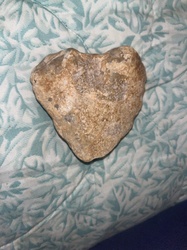
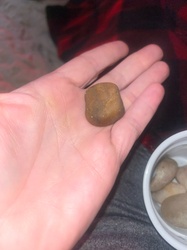
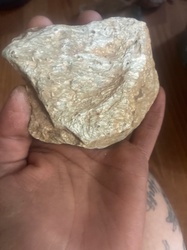
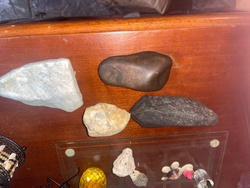
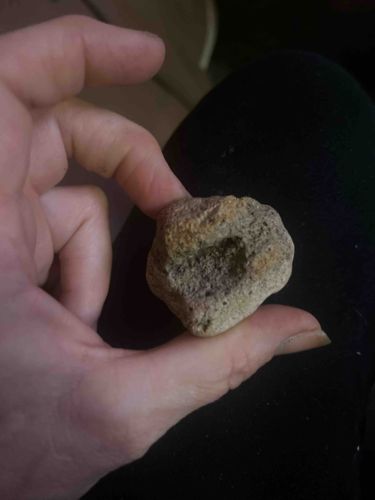
This item is a naturally occurring rock fragment, appearing to be approximately 3 to 5 centimeters in diameter. It is held between a thumb and forefinger, providing a clear scale for its size. The specimen exhibits a highly irregular, rugged topography with a distinct central depression or cavity that suggests localized erosion or the site of a weathered-out mineral inclusion. The color palette is dominated by earthy tones, including light tan, greyish-beige, and subtle ochre highlights, which indicate iron oxide staining or similar mineral leaching. Its surface texture is notably granular and porous, characteristic of a coarse-grained sedimentary stone like sandstone or a heavily weathered limestone. There are no man-made markings, signatures, or signs of intentional shaping, pointing toward a geological origin rather than an archaeological one. The material shows signs of heavy environmental weathering, with rounded edges and a pitted surface patina consistent with long-term exposure to water or abrasive wind. From a geological standpoint, the age of such minerals often spans millions of years. The quality is indicative of a common field specimen, lacking the crystal structure or rarity associated with high-value mineral samples, but possessing the typical rugged charm of raw geological matter.

Estimated Value

$0.00 - $5.00

Basic Information

Category

Geological Specimens

Appraised On

April 4, 2026

Estimated Value

$0.00 - $5.00

Item Description

This item is a naturally occurring rock fragment, appearing to be approximately 3 to 5 centimeters in diameter. It is held between a thumb and forefinger, providing a clear scale for its size. The specimen exhibits a highly irregular, rugged topography with a distinct central depression or cavity that suggests localized erosion or the site of a weathered-out mineral inclusion. The color palette is dominated by earthy tones, including light tan, greyish-beige, and subtle ochre highlights, which indicate iron oxide staining or similar mineral leaching. Its surface texture is notably granular and porous, characteristic of a coarse-grained sedimentary stone like sandstone or a heavily weathered limestone. There are no man-made markings, signatures, or signs of intentional shaping, pointing toward a geological origin rather than an archaeological one. The material shows signs of heavy environmental weathering, with rounded edges and a pitted surface patina consistent with long-term exposure to water or abrasive wind. From a geological standpoint, the age of such minerals often spans millions of years. The quality is indicative of a common field specimen, lacking the crystal structure or rarity associated with high-value mineral samples, but possessing the typical rugged charm of raw geological matter.
Get Your Items Appraised

Instant estimates of your treasures with AI-powered instant appraisals

Browse More Appraisals