AI Appraisal Estimate

AI-generated estimates · not official valuations

From the user

What was submitted

Photo and notes provided by the user — not generated by AI

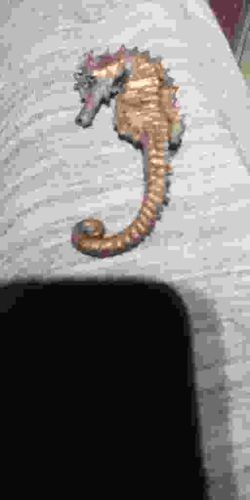
Submitted item photo
Submitted photo · May 25, 2026

User's notes

electroformed sea horse

AI analysis below

AI appraisal

AI analysis & estimate

AI-Generated · Verify before acting

Everything below is generated by AI for informational purposes only. AI can make mistakes — the AI may misidentify items or misattribute them (artist, maker, brand, designer, origin, era). This is not an official valuation and should not be used for insurance, sale, tax, estate, legal, or lending purposes — or any decision requiring a certified appraisal. It is not an authoritative claim about any person, brand, or rights holder — do not share or rely on it as a factual statement about a third party. Always consult qualified professionals before making financial decisions.

Note

This analysis also relies on unverified notes provided by the user, which may be incomplete or inaccurate and could affect the result.

Read the full disclaimer

AI Identification

·Not independently authenticated·Verify before acting

Electroformed Seahorse Figurine

Decorative Arts / Collectibles

AI Estimated Value

·Not an official valuation·Verify before acting

$45.00 - $75.00

As of May 25, 2026

AI Item Analysis

·AI can make mistakes·Verify before acting
This item is an electroformed seahorse figurine, likely created by depositing a layer of copper or precious metal over a natural biological specimen or a wax master model. The figure exhibits a highly textured surface characteristic of the 'Hippocampus' genus, including a prominent coronet, distinct bony ring segments along the body, and a curled prehensile tail. The coloration displays a multi-tonal metallic finish with warm bronze and copper hues accented by iridescent highlights of purple, pink, and silver, which may indicate a specific finishing patina or the interplay of light on the electroformed surface. In terms of construction, electroforming creates a seamless, rigid metal shell that captures micro-details of the original form. While the image resolution is low, the silhouette appears intact with no visible structural breakage, though there are variations in surface luster that could suggest minor oxidation or handling wear. These pieces are often associated with late 20th-century artisan craftsmanship, frequently sold as high-end coastal decor or as components for assemblage jewelry. The quality depends on the thickness of the metal shell and the fidelity of the detail preserved during the electrolytic process.

AI Appraisal Report

·AI can make mistakes·Verify before acting
I have examined the digital representation of this electroformed seahorse figurine. The piece demonstrates high-fidelity preservation of a Hippocampus specimen, achieved through the electrochemical deposition of metal (likely copper with a polychromatic patina). Visually, the specimen appears to be in good condition, showing consistent structural integrity from the coronet to the prehensile tail. The iridescent finish suggests a chemical patina application common in late 20th-century artisan decorative arts. The market for electroformed biological specimens is currently stable, with these items frequently appearing as 'curiosity cabinet' treasures or coastal decor. Comparables found in specialty gift boutiques and online artisanal marketplaces typically range between $40 and $90 depending on the size and complexity of the finish. While the aesthetic appeal is high, these are not considered rare collectibles, as the process allows for mass-production of similar forms. The primary value drivers are the detail of the metal shell and the vibrancy of the iridescence. From a digital image, I cannot verify the thickness of the metal shell or the presence of a 'weep hole' used to drain internal organic matter, which prevents structural degradation over time. A physical inspection would be required to assess the weight and stability of the metal layer. Full authentication would involve testing the surface metal for gold or silver content if such claims were made by the owner, as well as confirming the species of the underlying specimen. Provenance documentation regarding the artisan or studio would further solidify its place within the decorative arts market.

Get your items appraised

Instant estimates of your treasures with AI-powered appraisals

Browse More Appraisals