AI identification & appraisal estimate

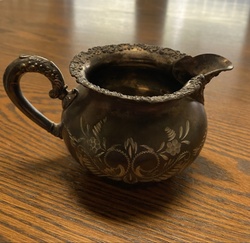
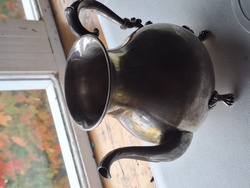
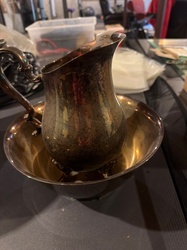
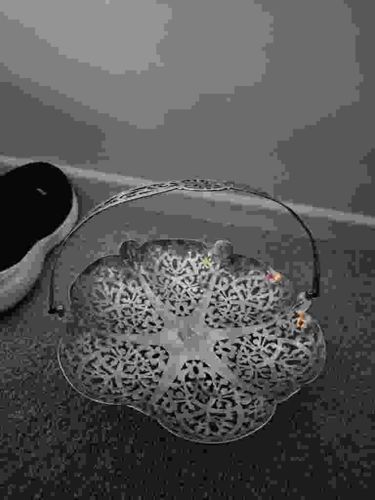
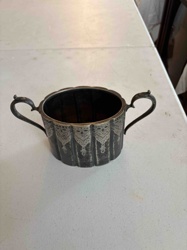
Vintage Silver-Plated Pierced Cake or Fruit Basket

Submitted photo of Vintage Silver-Plated Pierced Cake or Fruit Basket
Photo submitted by the user — not generated by AI

User's notes

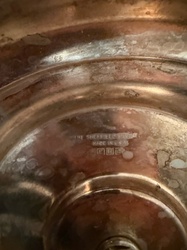
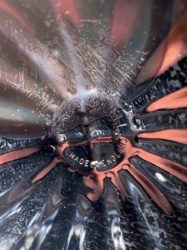
epai mark and made in england England

These notes were written by the person who submitted this item. Appraiser.AI has not verified them, and the AI's identification and estimate may rely on them.

AI Estimated Value

Not an official valuation

$45 - $75

AI estimate as of March 6, 2026 · verify with a professional before acting

AI-Generated · Verify before acting

Everything on this page is generated by AI for informational purposes only. AI can make mistakes — the AI may misidentify items or misattribute them (artist, maker, brand, designer, origin, era). This is not an official valuation and should not be used for insurance, sale, tax, estate, legal, or lending purposes — or any decision requiring a certified appraisal. It is not an authoritative claim about any person, brand, or rights holder — do not share or rely on it as a factual statement about a third party. Always consult qualified professionals before making financial decisions.

This analysis also relies on unverified notes provided by the user, which may be incomplete or inaccurate and could affect the result.

Read the full disclaimer

AI Item Analysis

This is a vintage English silver-plated basket, typically used for serving cake, fruit, or sweets. The piece features a lobed, six-section bowl with intricate pierced (cut-out) scrollwork and foliate patterns throughout each panel, radiating from a solid central star-shaped hub. It is constructed from Electroplated Nickel Silver (EPNS) as indicated by the 'epai' (likely a misread EPNS) and 'Made in England' marks. The basket is equipped with a swing handle that is also decorated with engraved or pierced motifs to match the bowl's aesthetic. The scalloped rim is reinforced with a molded border for structural integrity. In terms of condition, there is visible tarnishing and oxidation consistent with age, particularly in the recessed areas of the filigree. Some thinning of the silver plate (bleeding) may be present, revealing the base metal underneath. This style is characteristic of late Victorian or Edwardian revival silver plate, commonly produced in the early to mid-20th century in Sheffield or Birmingham. The craftsmanship displays fine attention to detail in the symmetrical piercing, making it a highly decorative example of English holloware.
AI Appraisal Report

I have examined the digital representations and descriptions of this vintage English silver-plated pierced basket. The piece is a classic example of early to mid-20th-century mass-market holloware produced in English industrial centers like Sheffield or Birmingham. My assessment of the 'epai' marking suggests it is a slight misreading of standard 'EPNS' (Electroplated Nickel Silver) or a specific manufacturer's stamp. The construction utilizes a die-stamped piercing method rather than hand-chasing, which was common for the Edwardian revival period. While the intricate foliate patterns and swing handle are aesthetically pleasing, the condition report indicates significant tarnishing and potential 'bleeding'—where the base nickel silver is visible through the thinning silver layer. Unlike sterling silver, silver-plated items do not hold intrinsic melt value and their market price is dictated solely by decorative appeal. The current market for mid-century silver plate is saturated, with high supply and moderate demand, primarily from collectors of traditional tea-service aesthetics. Comparable items frequently sell at estate auctions and online marketplaces within the $40 to $80 range depending on the severity of the plate loss. Limitations of this appraisal include the inability to physically test the base metal or inspect the underside of the rim for structural repairs. A physical examination would be required to verify if the 'epai' mark refers to a specific maker that could slightly elevate the value. To confirm authenticity, one would look for specific Sheffield registry marks or a 'Lion Passant' which would indicate solid silver; however, based on the provided data, this is definitively a plated piece.

Keep exploring

More antique silver-plate & holloware appraisals

Get your items appraised

Instant AI-powered appraisal estimates from a photo

Browse More Appraisals