AI Appraisal Estimate

AI-generated estimates · not official valuations

From the user

What was submitted

Photo and notes provided by the user — not generated by AI

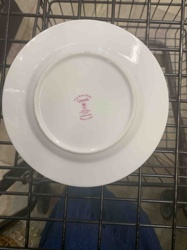
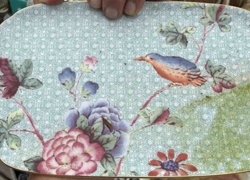
Submitted item photo
Submitted photo · June 25, 2026

User's notes

Royal Tara Galway

AI analysis below

AI appraisal

AI analysis & estimate

AI-Generated · Verify before acting

Everything below is generated by AI for informational purposes only. AI can make mistakes — the AI may misidentify items or misattribute them (artist, maker, brand, designer, origin, era). This is not an official valuation and should not be used for insurance, sale, tax, estate, legal, or lending purposes — or any decision requiring a certified appraisal. It is not an authoritative claim about any person, brand, or rights holder — do not share or rely on it as a factual statement about a third party. Always consult qualified professionals before making financial decisions.

Note

This analysis also relies on unverified notes provided by the user, which may be incomplete or inaccurate and could affect the result.

Read the full disclaimer

AI Identification

·Not independently authenticated·Verify before acting

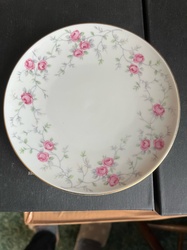
Royal Tara Fine Bone China Salad or Dessert Plate in Rose Pattern

Fine China and Tableware

AI Estimated Value

·Not an official valuation·Verify before acting

$25 - $45

As of June 25, 2026

AI Item Analysis

·AI can make mistakes·Verify before acting
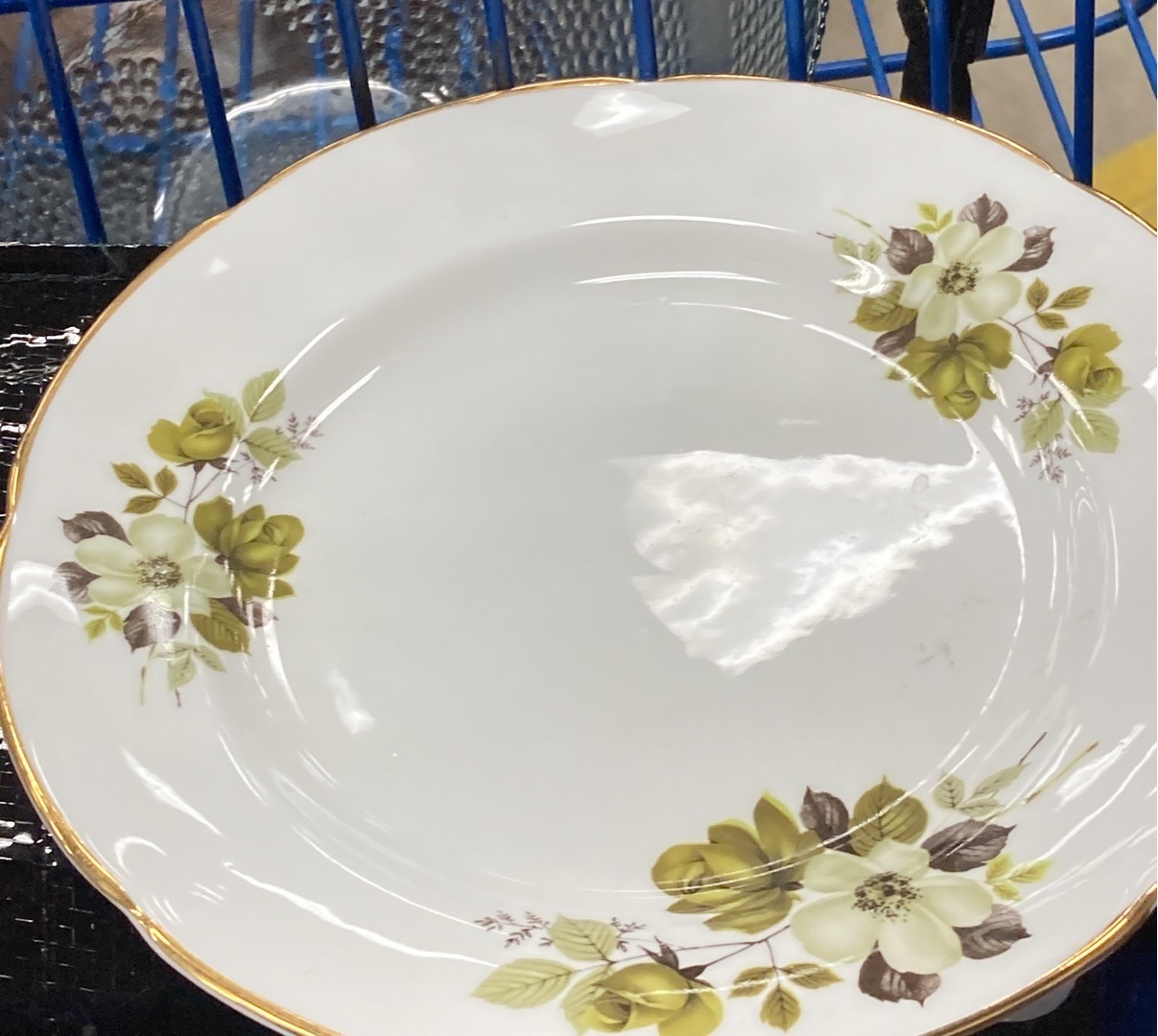
This is a vintage fine bone china plate manufactured by Royal Tara in Galway, Ireland. The plate features a crisp white translucent glaze characteristic of high-quality bone china, providing a neutral canvas for its delicate floral decoration. The pattern consists of three distinct clusters of roses and foliage arranged asymmetrically around the wide rim. The floral motif is executed in a monochromatic or 'sepia-toned' palette, using varying shades of moss green, olive, and brown to depict full-bloom roses and leaves. Each cluster includes a large open flower with detailed stamen and several buds in different stages of bloom. The edge of the plate is finished with a hand-applied gold gilt trim, which appears thin and consistent, following a slightly scalloped or gentle wave-like perimeter. Physically, the plate is circular with a shallow depression and a broad, sloping rim typical of mid-20th-century European dinnerware. The condition appears to be excellent vintage state, with the glaze retaining a high reflective sheen and the transfer-ware floral patterns remaining vibrant with no obvious fading or loss. There are no visible chips, cracks, or crazing patterns on the upper surface. The gold gilding shows minimal wear, indicating light use. The piece likely dates from the late 1960s to mid-1970s, a period when Royal Tara was renowned for producing high-end souvenir and giftware in Ireland. The craftsmanship is evidenced by the weight, translucency, and the precision of the decorative application.
AI Appraisal Report

·AI can make mistakes·Verify before acting
Based on my visual examination of this Royal Tara Fine Bone China salad/dessert plate in the Rose pattern, I have assessed its condition and market position. Authenticity is supported by the specific sepia-toned floral transfer characteristic of Royal Tara's mid-20th-century production in Galway. The glaze shows excellent vitreous luster, and the hand-applied gold gilding remains largely intact, suggesting minimal mechanical wear or dishwasher damage. These items were produced as high-end giftware; however, the monochromatic palette, while elegant, is less sought after by collectors than the vibrant polychrome 'Tara Hall' or shamrock patterns. Market demand for individual replacement pieces of Irish bone china is currently stable but niche. Comparables for single 8-inch plates from this era typically realize between $20 and $40 in secondary markets like eBay or Etsy. The 'Rose' pattern is moderately common, which limits rarity but increases desirability for those seeking to complete sets. Note that this appraisal is based solely on digital images. A physical inspection is required to definitively rule out micro-crazing or internal stress fractures not visible under photography. Full authentication would require a tactile check for the weight and 'ring' of the bone china, as well as a high-magnification view of the backstamp to confirm the era's specific mark. Provenance documentation, such as original purchase receipts from the Galway factory, would further solidify its history but would not significantly inflate current market value beyond the stated range.

Get your items appraised

Instant estimates of your treasures with AI-powered appraisals

Browse More Appraisals