AI Appraisal Estimate

AI-generated estimates · not official valuations

From the user

What was submitted

Photo and notes provided by the user — not generated by AI

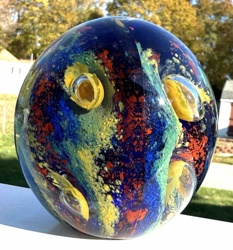
Submitted item photo
Submitted photo · May 25, 2026

User's notes

No additional notes provided.

AI analysis below

AI appraisal

AI analysis & estimate

AI-Generated · Verify before acting

Everything below is generated by AI for informational purposes only. AI can make mistakes — the AI may misidentify items or misattribute them (artist, maker, brand, designer, origin, era). This is not an official valuation and should not be used for insurance, sale, tax, estate, legal, or lending purposes — or any decision requiring a certified appraisal. It is not an authoritative claim about any person, brand, or rights holder — do not share or rely on it as a factual statement about a third party. Always consult qualified professionals before making financial decisions.

Read the full disclaimer

AI Identification

·Not independently authenticated·Verify before acting

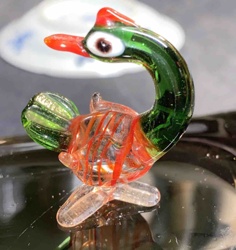
Hand-Blown Art Glass Rooster Figurine

Collectibles / Art Glass

AI Estimated Value

·Not an official valuation·Verify before acting

$125 - $175

As of May 25, 2026

AI Item Analysis

·AI can make mistakes·Verify before acting
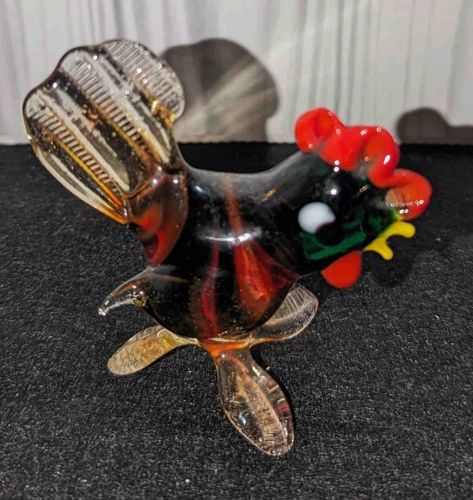
This item is a decorative hand-blown art glass figurine depicting a rooster, likely of mid-20th-century Murano-style origin or similar studio glass production. The piece features a complex assembly of multi-colored glass elements using lampworking or furnace-work techniques. The torso of the rooster is primarily a dark, smoke-toned glass with vibrant red and orange interior swirls (possibly using a Sommerso or pulled-feather technique). The head is adorned with a bright red ruffled comb and wattle, contrasting with a yellow beak. The eyes are applied white glass dots with black pupils. Its tail and tripod-style legs are crafted from clear, textured glass with controlled ribbing, which adds structural stability and light refraction. The overall construction shows signs of high-heat manipulation typical of artisan glasswork. In terms of condition, the glass appears structurally sound with no visible fractures or large chips, though minor surface scratches and inherent manufacturing imperfections like tiny air bubbles (seeds) are present. The style is reminiscent of mid-century Italian glass from the 1960s or 1970s, known for its playful zoomorphic themes and bold color palettes. There are no clearly visible maker's marks or signatures in the photo, suggesting it may have originally carried a foil label that has since been removed. The craftsmanship indicates a moderate level of skill in heat control and component attachment.
AI Appraisal Report

·AI can make mistakes·Verify before acting
I have carefully examined the provided images of this hand-blown art glass rooster figurine. The piece exhibits characteristics consistent with Murano-style studio glass from the mid-to-late 20th century. The use of the Sommerso technique in the torso, combined with the applied 'latticino' or ribbed clear glass for the base and tail, reflects a competent level of craftsmanship typical of Venetian workshops or high-quality export houses from the 1960s. The color saturation is vibrant, and the component attachment points show professional heat control. My visual inspection suggests the item is in excellent vintage condition; while minor 'seeds' (air bubbles) are visible, these are inherent to the hand-blown process rather than defects. The market for mid-century Italian zoomorphic glass remains steady, especially for playful, multi-colored pieces. Comparable sales for unsigned roosters of this size and complexity typically fall within the $100 to $200 range. The absence of a signature or foil label (such as Murano, Seguso, or Barbini) limits the valuation, as a verified attribution to a specific maestro could double or triple the price. It is important to note that without an in-person examination, I cannot check for micro-fissures at the attachment points or verify the wear pattern on the base, which helps confirm age. Full authentication would require physical inspection of the 'pontil' mark at the base, provenance documentation, or comparison against known manufacturer catalogs. Until such evidence is provided, this valuation is based on its aesthetic merit and identified period style.

Get your items appraised

Instant estimates of your treasures with AI-powered appraisals

Browse More Appraisals